Key Highlights
- The New York Times introduces a new puzzle game called Strands.
- The October 23rd edition of the puzzle reveals words related to poison and plants.
- Solving the puzzle involves finding theme words and a spangram that links them.
- Players can use hints if they get stuck, which highlight parts of the solution.
The New York Times’ Latest Puzzle Innovation: Strands
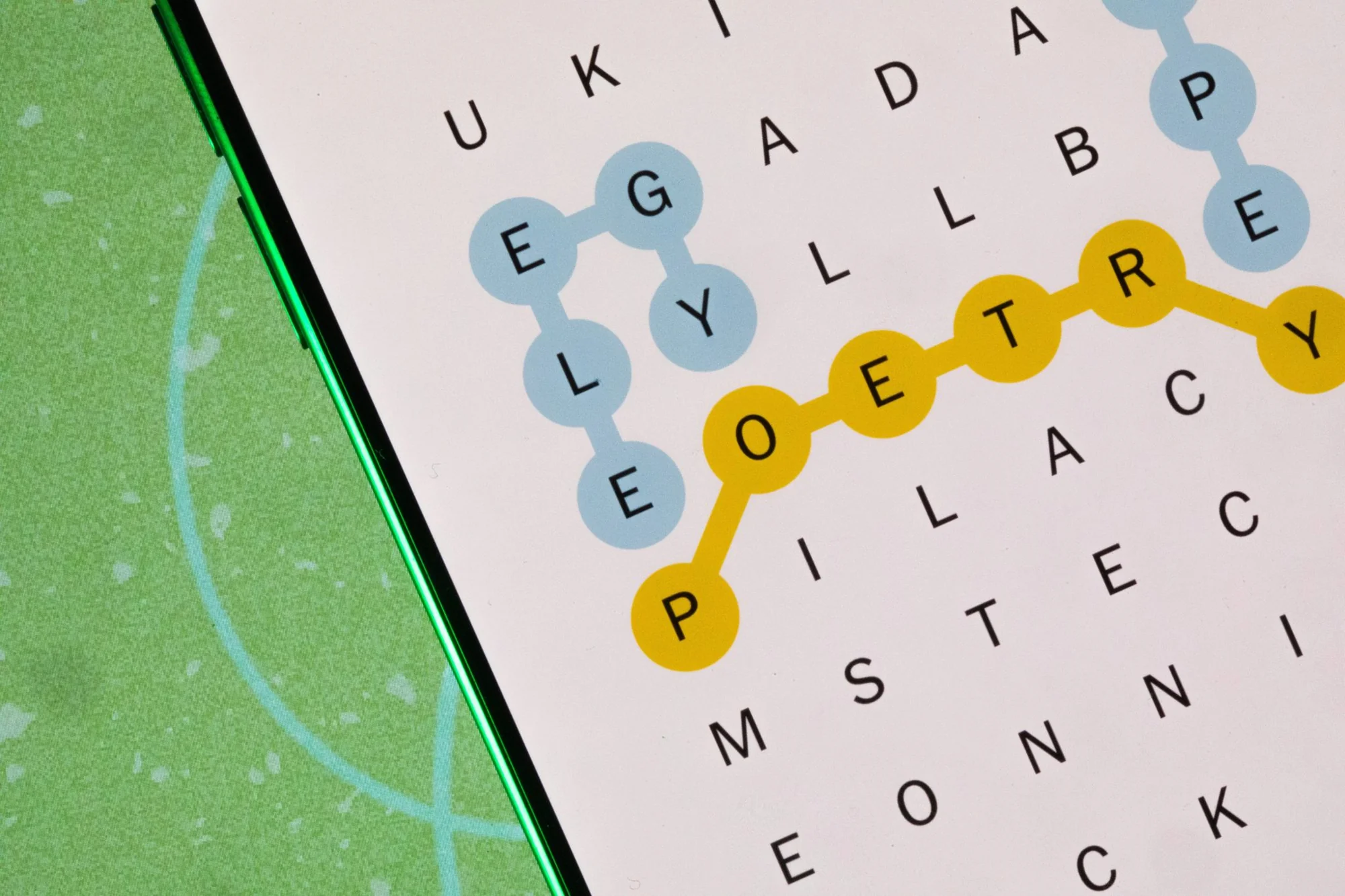
The latest addition to The New York Times’ gaming lineup is a puzzle game called Strands. This innovative word search game combines classic puzzles with new elements, creating an engaging challenge for enthusiasts. As part of the daily puzzle offerings on the NYT website and in their games app, Strands offers a fresh twist on traditional word searches by presenting players with a six-by-eight grid filled with letters that need to be rearranged into meaningful words.
How to Play Strands
The objective is straightforward yet intriguing: find theme words within the grid. These theme words share a common connection, hinted at through a spangram. A spangram links multiple sides of the board but does not necessarily start or end there, adding an extra layer of complexity to the game. The theme itself might relate to a specific category—such as poison and plants for October 23rd’s edition—as hinted by Kris Holt in his article.
Structure and Hints
Players are guided through the process with hints that help them find their way when stuck. Upon identifying three valid words of at least four letters, players can unlock a hint button that highlights part of one of the theme words. This feature ensures that even those struggling with the puzzle can still progress without giving away too much information.
For October 23rd’s Strands, the theme is “Please don’t eat me!” and the spangram reveals the word POISONOUS. The six theme words include Oleander, Belladonna, Foxglove, Hemlock, Azalea, all of which are plants known for their toxicity. This edition showcases a clever connection between plants that can be dangerous and the common phrase “Please don’t eat me!”—an apt reminder to avoid consuming them.
Industry Context and Future Implications
Strands aligns with the growing trend of interactive puzzles and games, particularly those from reputable news outlets. The New York Times has a long-standing tradition of providing high-quality content that educates as much as it entertains, making Strands an excellent fit for their audience. As gaming becomes more integrated into everyday life, such innovative puzzle games offer a unique blend of intellectual challenge and entertainment.
For enthusiasts and casual players alike, Strands provides not only a fun diversion but also a way to engage with language in new and exciting ways. With its daily release, it encourages consistent interaction from players, potentially leading to increased engagement with the New York Times’ digital platform. In conclusion, The New York Times’ Strands puzzle represents an exciting development in interactive word games, offering both challenge and educational value. As more individuals seek engaging content that combines entertainment with cognitive stimulation, puzzles like Strands are likely to gain prominence in the gaming landscape.