Key Highlights
- New York City businesses in East Harlem are facing challenges due to the expansion of the 2nd Avenue Subway.
- The Metropolitan Transportation Authority (MTA) promised financial compensation and relocation assistance but has been criticized for its slow response.
- Local business owners like Lu Nicaj fear they might have to close their shops if the MTA does not provide timely support.
- The Second Avenue Subway’s first extension phase was completed in 2017, with the MTA spending $10 million on relocating displaced businesses.
Background of the Second Avenue Subway Extension
The expansion of the 2nd Avenue Subway into East Harlem is a significant project by the Metropolitan Transportation Authority (MTA). The first phase, which brought the Q train to East 96th Street in 2017, cost approximately $10 million to relocate businesses and residents. This new extension aims to enhance transportation infrastructure, but it has also disrupted several long-standing commercial operations.
Challenges Faced by Local Businesses
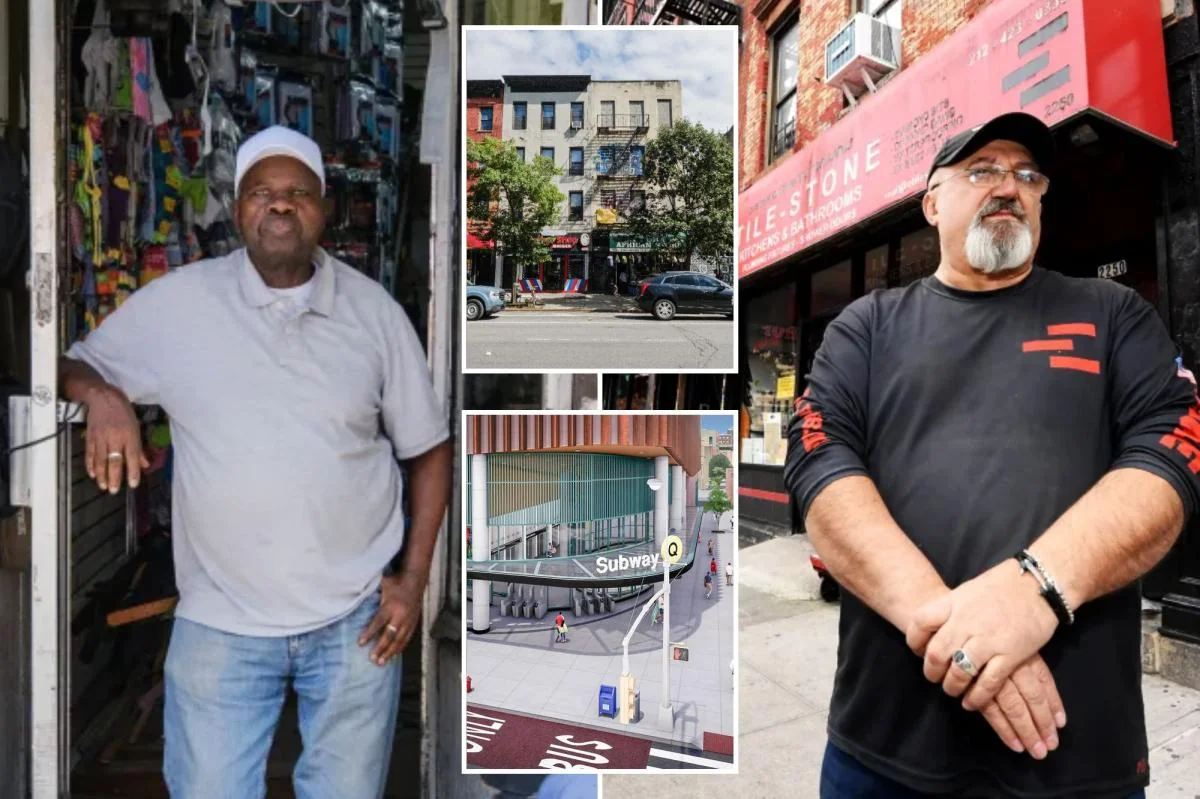
Local business owners in East Harlem are facing a tough reality as they navigate the process of relocating due to the subway expansion. One such owner is Lu Nicaj, who runs Eagle Tile, a 30-year-old tile-construction supply shop. Nicaj fears he might have to close his business if he does not receive timely financial compensation and relocation assistance from the MTA.
Nicaj has spent $100,000 moving materials from a rented lot near his store to keep his inventory in place while waiting for the MTA’s response. However, he remains uncertain about when or even if he will see any payment from the authority.
“I’m gonna be in debt and a hole for a while until I pull myself out,” Nicaj said, expressing his frustration. “It’s the whole David and Goliath thing.” He added that this time, “David might not win.”
MTA’s Response to Relocation Requests
The MTA claimed eminent domain on properties in August, meaning tenants and landowners had no choice but to leave. However, many business owners have reported frustration with the little help they have received from the authority.
For example, Diop, who owns a clothing store that has been operating for 14 years, said the MTA hired a real-estate broker to show him alternative locations but failed to follow through. “They say everything, they called the company,” Diop explained. “But they haven’t shown me another property in three months.”
Another business owner, who operates a corner deli on Nicaj’s block, had a 10-year lease but was kicked out after just three years into that term. He is currently looking for new locations independently.
MTA’s Financial Commitment and Public Perception
The Second Avenue Subway’s next phase has a budget of about $7.7 billion, with plans to extend the line between East 116th and East 125th streets. Despite this significant investment, small business owners are concerned that they might not receive adequate financial support to keep their operations running.
Local business owners’ frustration with the MTA’s response highlights the broader challenge of balancing urban development projects with the needs of local communities. The delay in providing promised assistance could lead to significant economic disruptions for small businesses in East Harlem.
The situation underscores the importance of transparent and timely communication from government authorities during such large-scale infrastructure projects, ensuring that all stakeholders are adequately supported throughout the transition process.