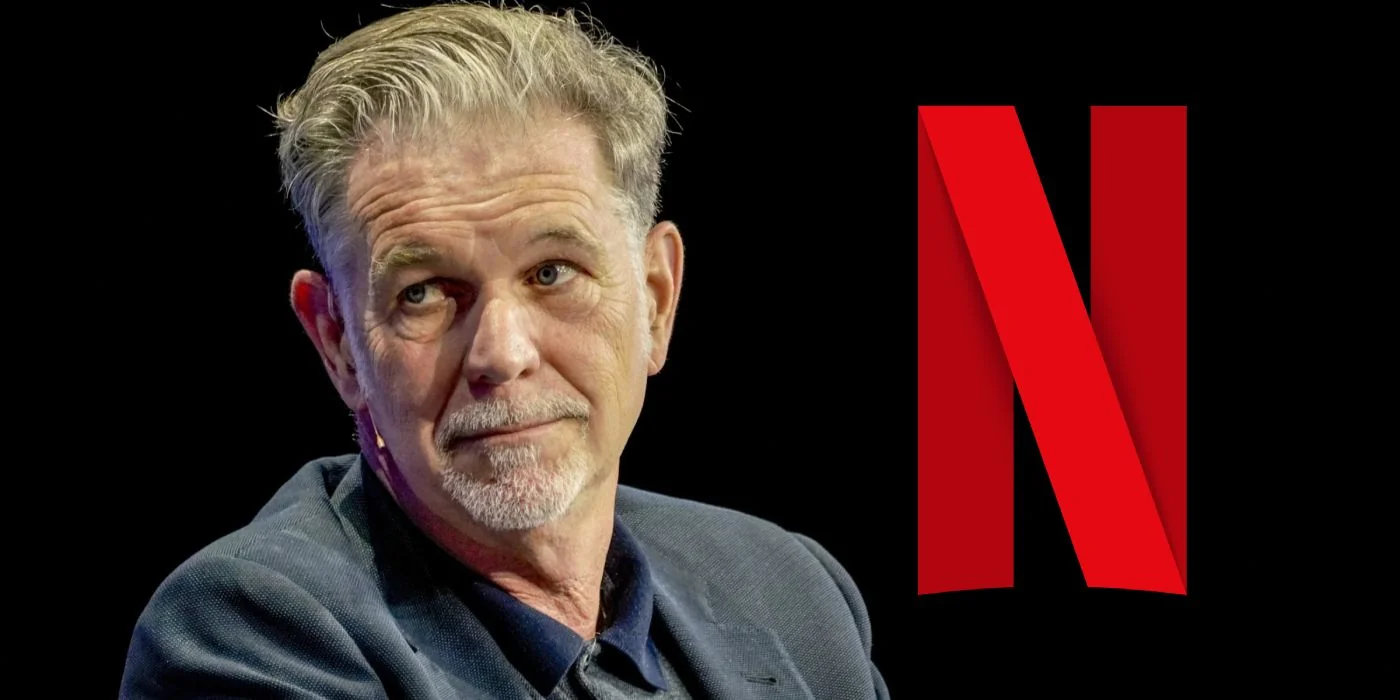
Key Highlights
- NBCUniversal’s parent company Warner Bros. Discovery is exploring potential sale options.
- Netflix co-CEO Ted Sarandos dismissed rumors of a possible buyout, stating the streaming giant has no interest in legacy media networks.
- The streaming industry remains focused on organic growth rather than dealmaking amid consolidation speculation.
- NBCUniversal’s recent moves are part of broader industry trends towards larger media conglomerates.
Warner Bros. Discovery’s Strategic Review: Industry Trends and Implications
Warner Bros. Discovery, formerly AT&T Inc., has launched a strategic review that includes exploring potential sale options for the company as a whole or in parts. This move comes amidst an intense period of consolidation across the entertainment industry, where larger media conglomerates are increasingly acquiring smaller players to expand their content offerings and market presence.
Warner Bros.
Discovery’s decision is part of a broader trend seen in other major media companies like Comcast Corporation (CMCSA) and ViacomCBS Inc., which have been actively pursuing mergers and acquisitions to strengthen their portfolios. This consolidation can lead to reduced competition, altered distribution models, and potentially higher content prices for consumers.
Netflix’s Response: Organic Growth Over Dealmaking
NBCUniversal’s parent company, Warner Bros. Discovery, has announced a strategic review that includes potential sale options. In response to speculation about a possible buyout of the company, Netflix co-CEO Ted Sarandos stated unequivocally that Netflix has no interest in acquiring legacy media networks. During the third-quarter earnings call, Sarandos emphasized that the streaming giant remains focused on organic growth rather than dealmaking.
“We’ve been very clear in the past that we have no interest in owning legacy media networks,” Sarandos said. “There’s no change there.” His remarks were aimed at dispelling rumors and clarifying Netflix’s strategic direction, which is centered around building its own content library and expanding its global subscriber base without acquiring existing assets.
Strategic Lens: Evaluating Deals for Value Addition
Sarandos highlighted that while Netflix evaluates potential deals, the company applies a stringent lens to each opportunity. “Nothing is a must-have for us to meet the goals we have for the business,” Sarandos said. “We can be and will be choosy.” This approach ensures that any acquisition would significantly strengthen Netflix’s entertainment portfolio or align with its strategic objectives.
CEO Greg Peters of Netflix added that the company has weathered numerous industry consolidations, including Disney’s purchase of Fox, Amazon’s acquisition of MGM, and the merger between Discovery and Warner Bros. “None of those mergers were a fundamental shift in the competitive landscape,” Peters said. This perspective underscores Netflix’s belief in its ability to compete effectively through organic growth rather than relying on acquisitions.
Conclusion
The Future of Media Consolidation
The media industry continues to experience significant consolidation, driven by the desire for larger players to expand their content offerings and market presence. While Warner Bros. Discovery’s strategic review may lead to changes within the company, Netflix has clearly stated its preference for organic growth over acquisitions.
As the entertainment landscape evolves, it remains to be seen how these trends will impact both established media companies and up-and-coming streaming services like Netflix. The coming years are likely to see continued consolidation as major players seek to secure a stronger foothold in the ever-changing world of media consumption.