Key Highlights
- The NBA plans to launch an NBA Europe league in 2027 or 2028.
- NBA commissioner Adam Silver is confident that the league’s global appeal will keep top international talent.
- Top players like Giannis Antetokounmpo and Luka Dončić have strong ties to their home countries, raising concerns about potential defections.
- The NBA’s presence in Europe has already significantly increased interest in basketball on the continent.
NBA Expansion Plans and Global Reach
As the 2025-26 NBA season begins, the league boasts a record 135 international players on its rosters, representing nearly one-third of all NBA players. This milestone highlights the global expansion of basketball, driven by the NBA’s efforts to tap into new markets and fans worldwide.
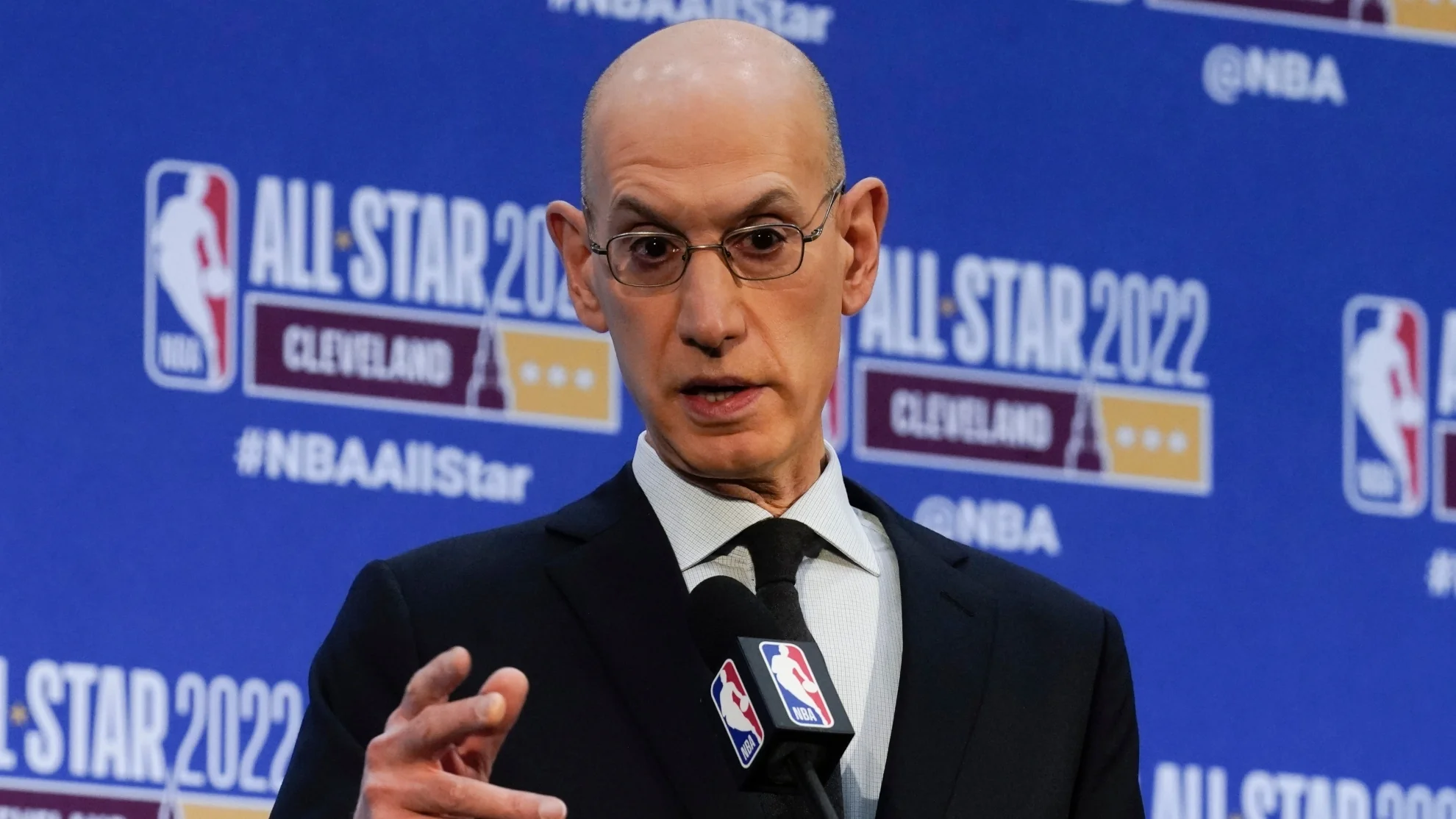
In line with this trend, NBA commissioner Adam Silver has outlined plans for an NBA Europe league, scheduled to launch in 2027 or 2028. The goal is to create a competitive environment that can attract top international talent while also fostering the growth of basketball across the continent.
Concerns Over Talent Flow
Despite Silver’s confidence, there are valid concerns about whether this new league might poach NBA talent. For instance, Giannis Antetokounmpo, a cornerstone player for the Milwaukee Bucks and Greek national hero, has expressed an interest in returning to Greece after his playing career. Similarly, three-time MVP Nikola Jokić spends significant time in Serbia during off-seasons, engaging in various activities that strengthen his connection to the country.
“I think if some of those international players decided to either end their career or prolong their career a bit by playing in Europe, I think that would be fantastic,” Silver stated on “The Pat McAfee Show.” However, this optimism may overlook potential long-term implications. As the NBA competes with other leagues for top talent, it’s essential to consider how future generations of players might be affected.
Future Challenges and Opportunities
The NBA’s presence in Europe has already significantly increased interest in basketball on the continent. With 50 million fans across Europe and growing ownership interest from wealthy families and institutions, there is real potential for this new league to become a formidable competitor. However, if it splits the talent pool between two leagues, it could create challenges for the NBA’s global dominance.
While current top international players are unlikely to leave the NBA in significant numbers immediately, future generations might face different incentives. The NBA will control both leagues, ensuring they benefit from any talent sharing, but splitting the market risks diluting its appeal over time.
Conclusion
The launch of an NBA Europe league represents a significant step for the sport’s global expansion. While it brings exciting opportunities to grow basketball in new markets, it also raises questions about talent retention and future challenges. As the NBA navigates these complexities, it must balance its global ambitions with the need to protect its core player base and maintain its status as the premier basketball league worldwide.