Key Highlights
- Baltimore’s juvenile court faces a backlog of over 100 cases as the Maryland Office of the Public Defender struggles to find private defense lawyers.
- The issue is exacerbated by a lack of budget for hiring panel attorneys, leading to delays in trials and potential violations of legal timelines.
- Defense attorneys are hesitant due to the “toxic environment” created by judges, citing low pay as another deterrent.
The Strain on Baltimore’s Juvenile Justice System
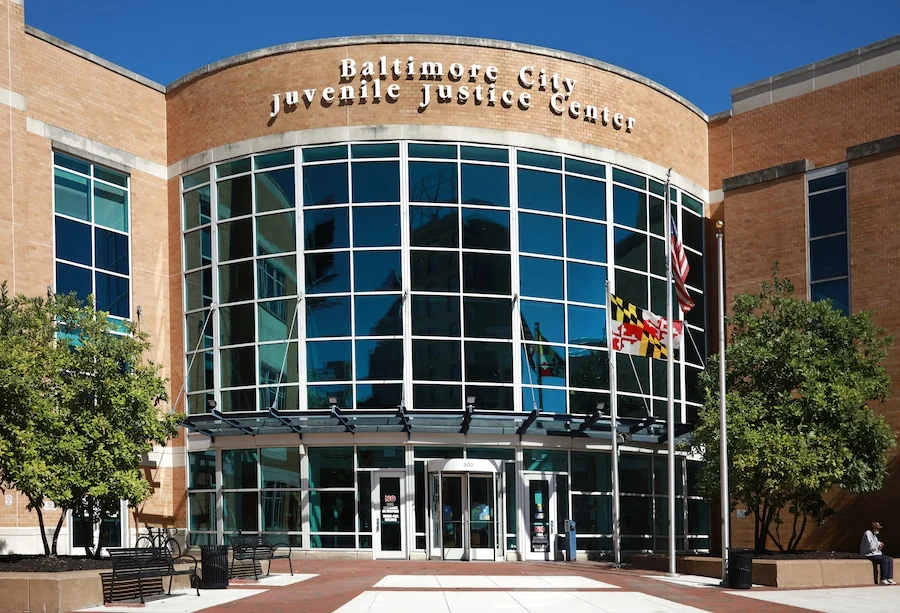
Baltimore’s juvenile court has become a battleground for both justice and efficiency. According to Circuit Judge Robert K. Taylor Jr., more than 100 children’s cases have been postponed this year due to the inability of the public defender’s office to find them private defense lawyers, also known as panel attorneys.
A Lack of Resources
The root of the problem lies in a funding shortfall that has left the Maryland Office of the Public Defender scrambling. Deputy Public Defender Keith Lotridge explained, “The public defender’s budget is $158 million for fiscal year 2026, but the judiciary’s budget is nearly fivefold at about $789 million.” This disparity means that while the judiciary can afford to hire panel attorneys more readily, the public defender struggles to make ends meet.
Attorney Hesitation and Pay Concerns
Defense attorneys are not only facing a lack of funding but also an unwelcoming environment from judges. “Panel attorneys are volunteers,” said Maryland Public Defender Natasha M. Dartigue, “and they accept these cases everywhere else in the state. But in Baltimore City, they flat out say, ‘No, we’re not dealing with the bench.'” This toxic environment has led to a significant backlog, as only 12% of juvenile cases have been postponed this year.
Impact on Justice and Victims
The delay is not just affecting children but also victims and witnesses. “They feel like they’re not getting justice,” said Pamela Chung, chief of the Juvenile Division at the Office of Baltimore State’s Attorney Ivan Bates. “And by the time you end up in court, they’ve already picked up new charges.” This has raised concerns about public safety and the overall effectiveness of the legal system.
A Call for Reform
Judge Taylor expressed frustration over the delays, especially when a child had waited 210 days for a panel lawyer. “It’s not fair to the children,” he said, emphasizing the need for discussion outside of court. The public defender’s office, however, maintains that they are doing their best despite the challenges.
While some defense attorneys like Natalie Finegar and Roya Hanna are willing to take on cases, others avoid them due to the low pay. “You need to pay a livable wage,” said Finegar, noting that the rates have not been updated in almost a decade. Dartigue suggested that aligning panel attorney fees with federal guidelines could help attract more lawyers.
For now, the legal community is calling for reform to address these issues and ensure that justice is served promptly. The struggle continues as the court system grapples with its resources and the expectations of those it serves.