Key Highlights
- The Dallas Mavericks are experimenting with starting point guard Cooper Flagg in their preseason games.
- Kyrie Irving’s injury could see Flagg taking on a significant playmaking role early in the season.
- Some argue that the roster imbalance may hinder the team’s ability to compete, while others see potential for success with Flagg leading the charge.
The Dallas Mavericks Experiment: Starting Cooper Flagg?
The Dallas Mavericks are making waves by experimenting with their starting lineup during preseason games. Head coach Jason Kidd hinted that 18-year-old point guard Cooper Flagg could start in Wednesday’s opener against the San Antonio Spurs, despite not officially confirming it. In the last two preseason games, Kidd fielded a surprisingly large starting five: Flagg, Klay Thompson, P.J. Washington, Anthony Davis, and Dereck Lively II.
Flagg’s Unique Role
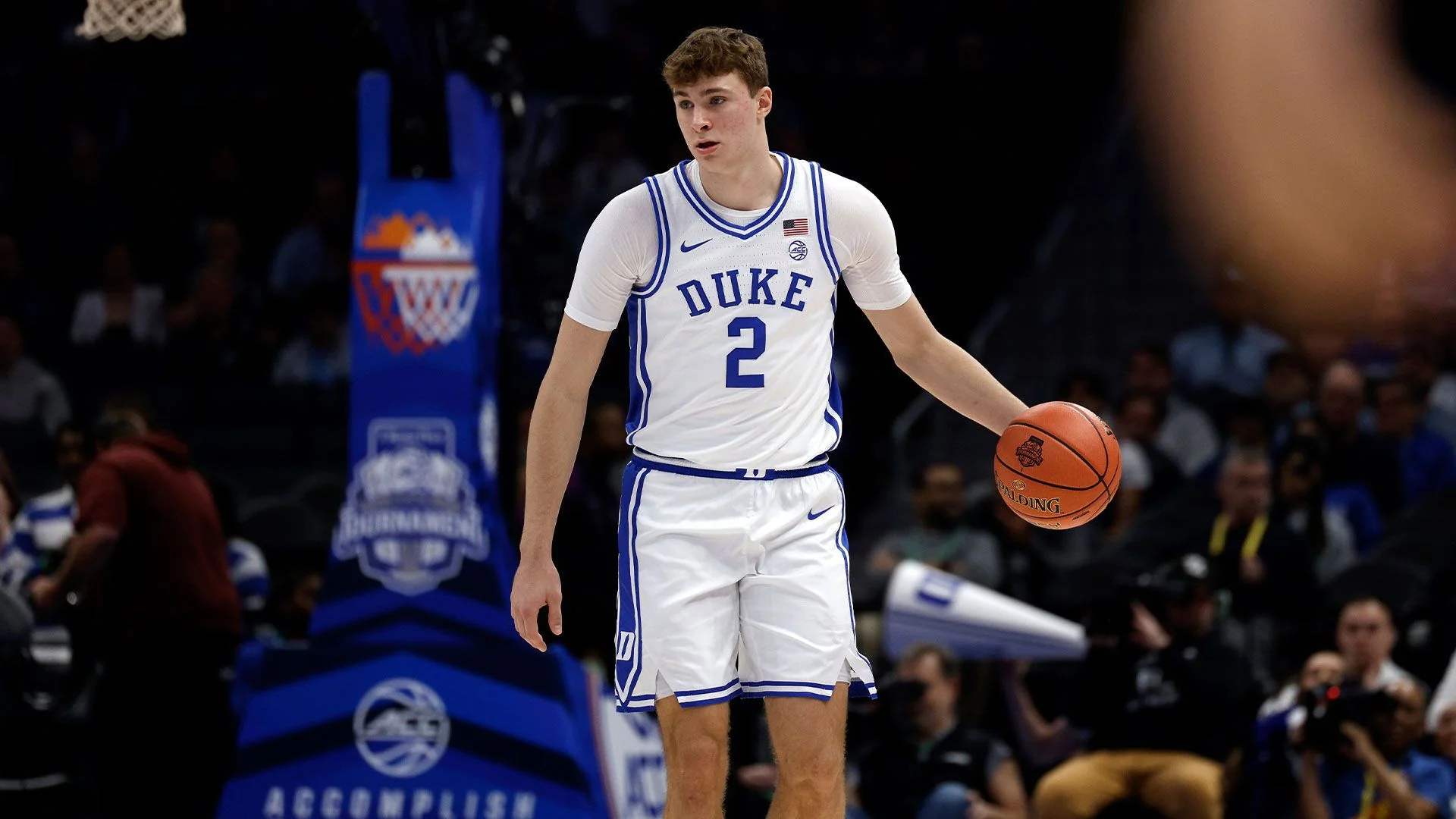
Flagg, selected first overall in this year’s draft, is a 6-foot-9 forward with exceptional versatility. At Duke, he excelled at running pick-and-roll, isolating, setting screens, cutting, and coming off pindowns. His unique skill set makes him an intriguing prospect for Kidd to experiment with, especially given the uncertainty surrounding Kyrie Irving’s return from injury.
The Roster Balance Debate
While some see Flagg’s presence as a potential game-changer, others are concerned about the roster imbalance. With Davis and Lively sharing the frontcourt, Flagg is likely to face subpar spacing issues. Additionally, Thompson and Washington on the wings could place an enormous playmaking burden on Flagg.
“I don’t think this oddly shaped team is a contender,” argues a skeptical voice. “Spacing is important!
Playmaking is important! Point-of-attack defense is important!” The counterargument posits that defense wins championships, and Flagg’s arrival has subdued the volatility of the previous lineup.
Future Implications
If Irving can’t play this season due to injury, the Mavericks have a clear path forward. With Flagg stepping into a potential starting role, the team could see a significant boost in versatility and playmaking ability. However, the skepticism remains valid: the current roster structure may hinder their ability to compete at the highest level.
The Mavs made strategic moves during the offseason by re-signing Irving, extending P.J. Washington’s contract, and adding D’Angelo Russell as a stopgap. While these moves are necessary, they also highlight the potential challenges in balancing Flagg’s unique role within the team.
In conclusion, the Dallas Mavericks’ decision to experiment with Cooper Flagg as their starting point guard reflects both optimism and uncertainty. As the season unfolds, fans will be watching closely to see how Kidd navigates this unorthodox lineup and whether it ultimately pays off for the franchise.