Key Highlights
- The average rate on the 30-year fixed mortgage fell from 6.67% in July to 6.17% as of September.
- Housing sales rose slightly in September, with a seasonally adjusted, annualized rate of 4.06 million units.
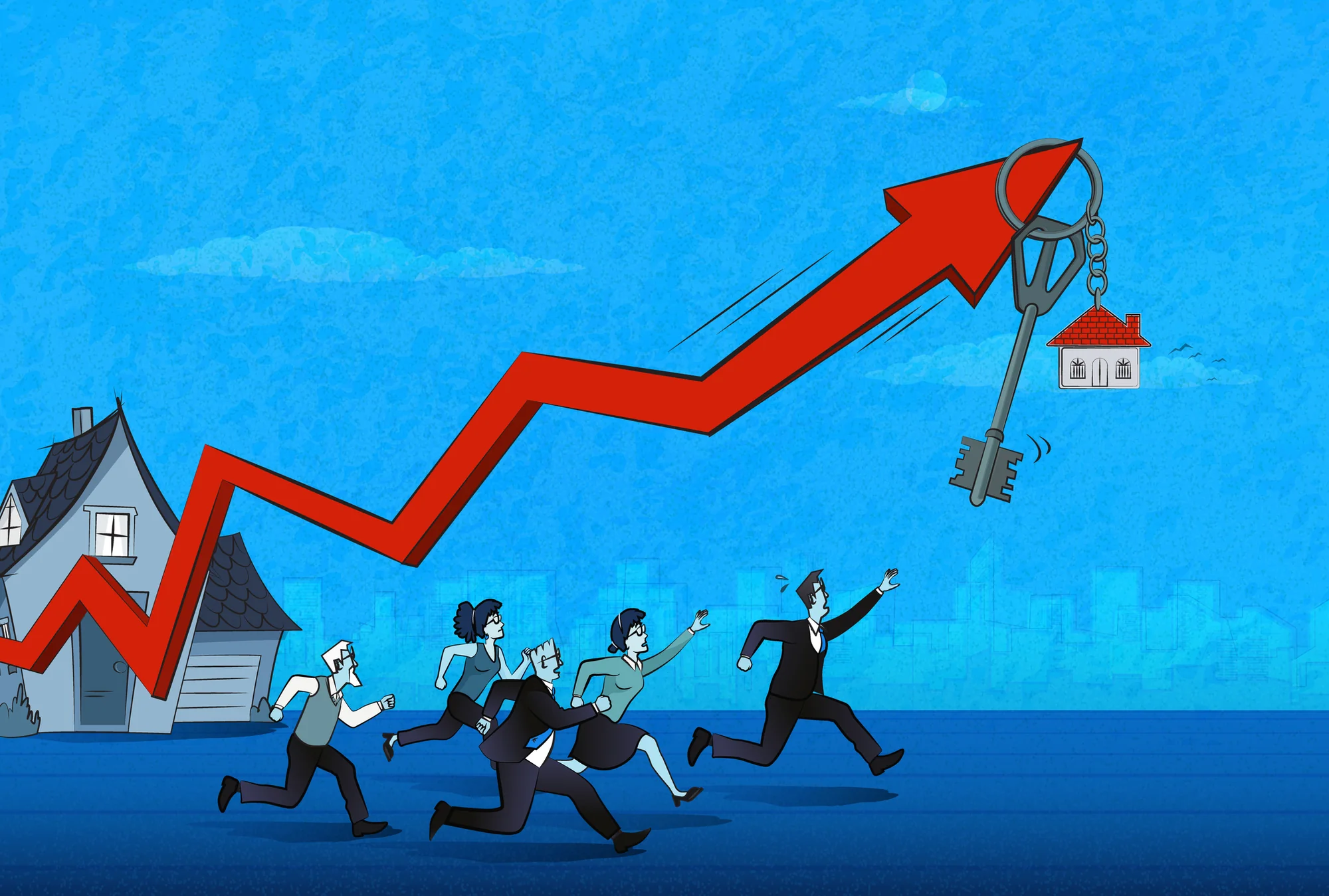
- Prices remain high, with the median price of a home sold in September at $415,200, up 2.1% year over year.
- The supply of homes for sale is still lean, with only a 4.6-month supply available according to current sales pace.
Lower Mortgage Rates Spark Home Sales
In September, the housing market saw a modest uptick in home sales as mortgage rates began to fall from their peak, driven by a drop from 6.67% at the start of July to 6.17%. This shift is significantly impacting buyer behavior and market dynamics.
Market Performance and Regional Breakdown
According to data released by the National Association of Realtors (NAR), sales of previously owned homes rose 1.5% in September from August, reaching a seasonally adjusted annual rate of 4.06 million units. While this figure is slightly lower than anticipated, it marks the highest pace since February.
Regionally, home sales showed varying trends. The South and Northeast regions experienced strong sales growth on an annual basis, while the West saw slight increases compared to August, but there was a minor dip in the Midwest region where sales were down slightly. These regional differences highlight the diverse impact of market conditions across the country.
Supply and Pricing Pressures Persist
Despite the rise in home sales, inventory levels remain tight, up only 14% from September 2024 to a total of 1.55 million units available for sale at the end of September. At this rate, there is currently a 4.6-month supply of homes on the market, which is still below the balanced level of six months.
According to Lawrence Yun, NAR’s chief economist, “Inventory is matching a five-year high, though it remains below pre-Covid levels.” The scarcity of available properties continues to exert upward pressure on home prices. The median price of homes sold in September reached $415,200, marking the 27th consecutive month of annual gains and being 53% higher than pre-COVID levels.
Market Segments Show Divergent Trends
The housing market’s performance is not uniform across all price ranges. Sales in high-end markets experienced significant growth, with homes priced above $1 million seeing a 20% increase from the previous year. In contrast, sales of properties below $100,000 increased by just under 3%, indicating a more robust market for higher-value homes.
The share of first-time homebuyers also saw an uptick, accounting for 30% of September’s transactions compared to 26% the previous year.
Cash sales remained prevalent at about 30% of total sales, suggesting that many buyers are opting for cash deals due to uncertain financing environments.
Additionally, homes in the market have been staying on average 33 days, an increase from 28 days a year ago. This extended time suggests that buyers and sellers may be more cautious or selective in their transactions, contributing to the overall trend of slower but steadier home sales growth.
Expert Analysis and Future Outlook
“As anticipated, falling mortgage rates are lifting home sales,” stated Yun. “Improving housing affordability is also contributing to this increase.” However, with inventory levels still tight and prices persistently high, the market remains a challenging environment for both buyers and sellers.
Industry experts predict that while lower interest rates may continue to support modest growth in home sales, the overall trajectory will likely depend on broader economic factors such as employment trends, wage growth, and overall consumer confidence. The ongoing imbalance between supply and demand suggests that prices are unlikely to decline significantly without a substantial increase in available inventory.
For investors and real estate professionals, this market presents both opportunities and challenges. While the high-end segment continues to perform well, buyers looking for more affordable options may face steeper competition and higher purchase costs. As rates continue to fluctuate, it will be crucial for all stakeholders to stay informed about economic indicators that can affect future housing trends.