Key Highlights
- Victims of Lewiston mass shooting question use of nonprofit grants.
- Maine Community Foundation distributed $4.7 million to 162 individuals and $1.9 million to 29 nonprofits.
- Amy Sussman criticizes the distribution, believing funds should have gone directly to victims.
Survivors Question Nonprofit Grant Use After Lewiston Shooting
The aftermath of a mass shooting in Lewiston, Maine, has brought renewed scrutiny on how charitable funds were allocated. More than two years later, some survivors and families are questioning the distribution of grants intended to support victims.
Foundation’s Double-Edged Sword
Maine Community Foundation created a fund with dual components: one for individual victims and another called the Broad Recovery & Organizations Fund. According to foundation records, $4.7 million was distributed among 162 individuals, while $1.9 million was split equally among 29 nonprofits.
Amy Sussman’s Criticism
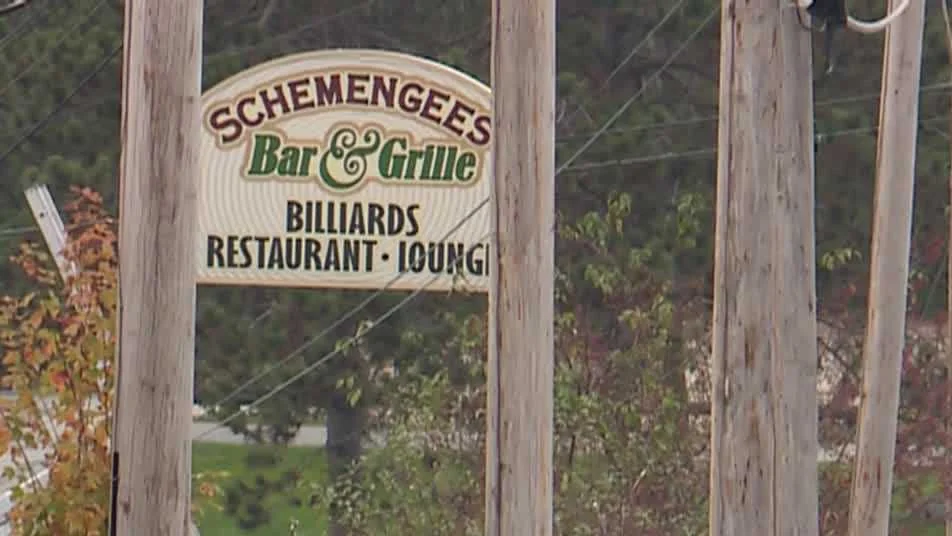
One of the most vocal critics is Amy Sussman, whose nephew was killed in the shooting at Schemengees Bar and Grille. “In my opinion, they were used; their tragedy was used to raise money for nonprofits,” she says.
Sussman’s nephew, Maxx Hathaway, was celebrating his recent degree from the University of Southern Maine when he was shot. His wife is now struggling with financial hardships, raising two young children while trying to cope without her partner’s presence in their lives. “She said his daughter has stopped looking for him and I don’t know which is worse,” Sussman adds. “To think that she walked around the house for two months or that she stopped.”
Grant Distribution Discrepancies
A spokesperson from Maine Community Foundation acknowledged the dual fund structure but pointed out transparency in their communication with survivors and victims. However, a 2024 grant update revealed three nonprofits were clearly involved in direct recovery efforts. Of the remaining 26 organizations contacted, two had closed down, five provided immediate help post-shooting or mental health support to children, and one upheld the purpose of the grant but did not work directly with victims.
Despite these findings, Sussman remains unconvinced: “If the nonprofit funds were split evenly among individual victims, each would have received an additional $11,728. This isn’t about nonprofits; this is about people losing a dad, spouse, life partner, son, brother, nephew.” She argues that the focus should be on those directly impacted by the tragedy.
Expert Perspectives
Sussman’s viewpoint aligns with critics like Victims First, who contend that funds should primarily support victims and their families. Meanwhile, a consultant working on the fundraiser maintains this approach reflects best practices, though it remains contentious among those affected by the shooting.
The controversy highlights the delicate balance between supporting community recovery and ensuring individual needs are met in crises. As Maine grapples with these issues, the debate over how charitable funds are distributed continues to resonate with survivors and their families.