Key Highlights
- The LDS Church is doubling down on the need for pluralism in a special lesson commemorating the 250th anniversary of the signing of the Declaration of Independence.
- Latter-day Saints will gather to discuss civility, compromise, and religious freedom as part of this Sunday’s lesson.
- Church leaders like Dallin H. Oaks have called for moderation and unity on contentious issues, emphasizing moral agency and the Constitution’s role in safeguarding it.
- The message aims to counteract growing political polarization by promoting an inclusive view of America’s founding documents as divinely inspired yet imperfect.
Pluralism Under Pressure
As “pluralism” has become a dirty word in some corners of American Christianity, The Church of Jesus Christ of Latter-day Saints stands out. In its latest Sunday school lesson, the church is doubling down on the need for those with divergent views and beliefs to live together peacefully.
A Call for Unity
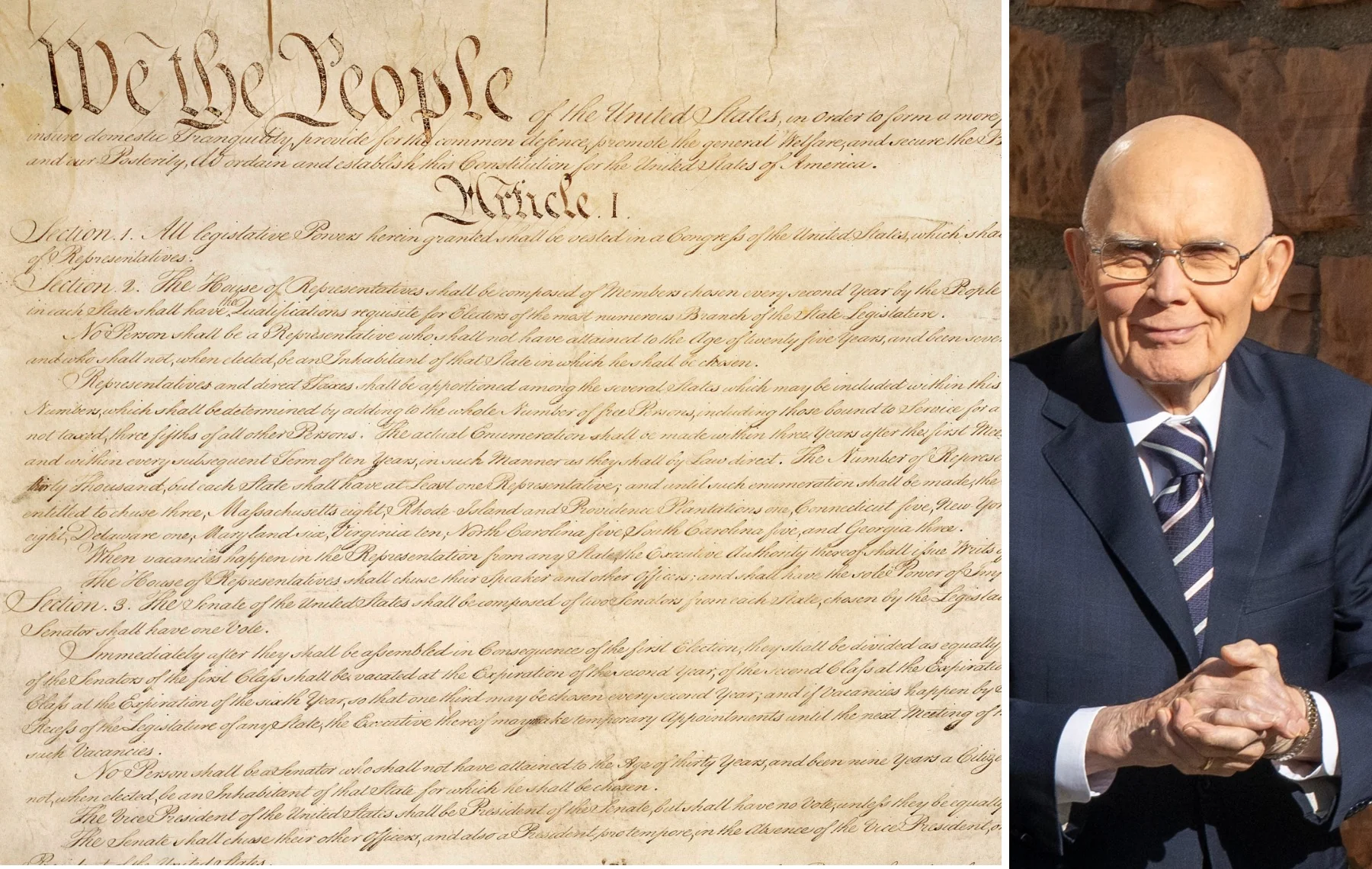
President Dallin H. Oaks has often spoken about the Constitution as a document that requires compromise and unity in times of disagreement. His sermons now form the backbone of this special lesson, which focuses on civility and avoiding political polarization.
The Constitution: Inspired Yet Imperfect
The lesson titled “Celebrating the Founding of the United States and the U.S. Constitution” reinforces the belief that these founding documents are divinely inspired. However, it stops short of arguing that they were meant to establish a Christian nation. Instead, it emphasizes moral agency and religious freedom for all.
Leaders Stress Inclusivity
Apostles D. Todd Christofferson and Quentin L. Cook stress the importance of inclusive religious freedom. Cook states, “We need to find ways to learn from one another and reinforce the common commitments to hold together and promote stable, pluralistic societies.”
Timely Messages in a Divided World
Despite the message not being new, its timing is critical. In an era marked by political extremism, congressional dysfunction, and growing cynicism about the courts, these teachings are sorely needed.
A Call to Action
The lesson plan also includes an admonishment against judging others for their voting choices. Oaks has previously called on listeners to moderate and unify on contested issues. The message is clear: pluralism is America’s superpower.
Pluralism, not political division, should define the American experience. As the country grapples with deepening divides, this lesson serves as a reminder of what truly unites us.