Key Highlights
- The Netflix series “Last Samurai Standing” is a blend of elements from the hit shows “Squid Game” and “Shōgun.”
- The show premiered on November 13, 2025.
- Set in Japan’s Meiji era, the series follows samurai warriors participating in a brutal battle royale for survival and a cash prize.
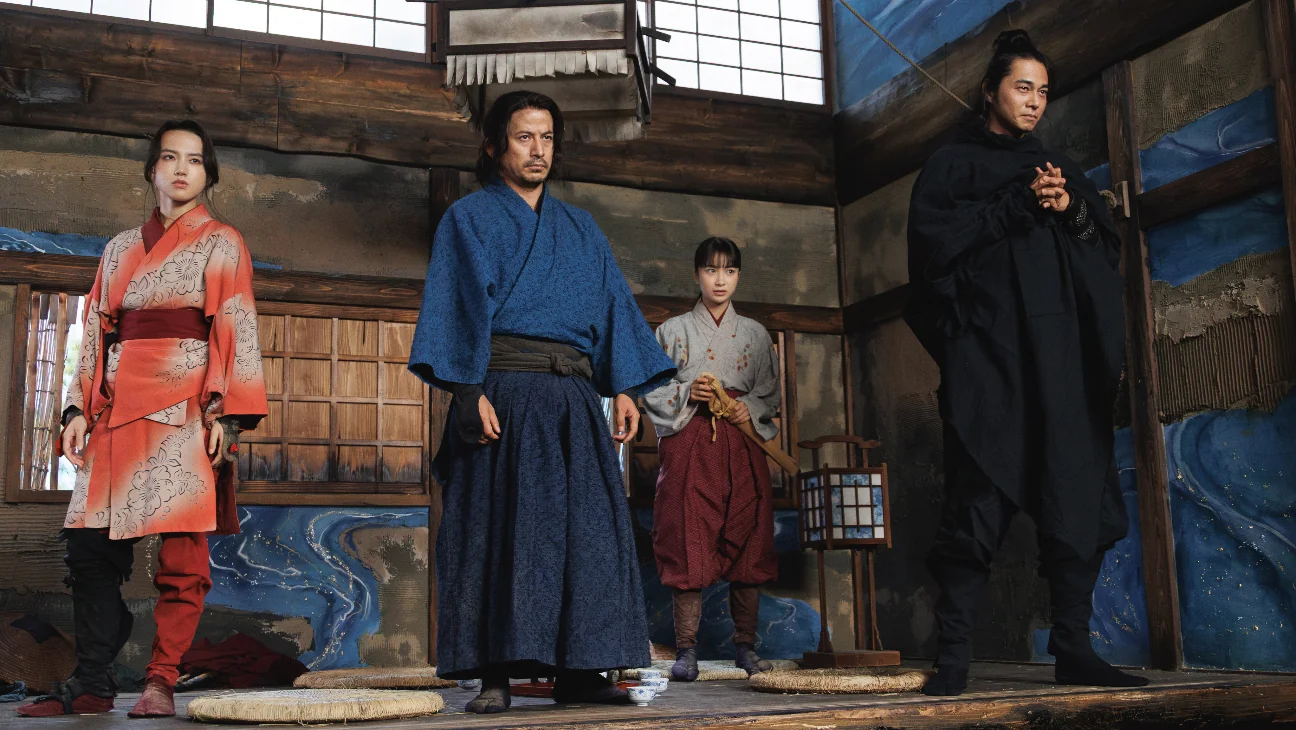
- Main characters include Shujiro Saga (played by Junichi Okada) and other contestants like Futaba (Yumia Fujisaki) and Iroha (Kaya Kiyohara).
Introduction to “Last Samurai Standing”
“Last Samurai Standing,” a new Netflix action drama, hit the streaming platform on November 13, 2025. The series has been developed since 2022 and is described as a fusion of elements from both “Squid Game” and “Shōgun.” Despite its roots, the show aims to offer audiences an engaging mix of historical context and intense action.
Historical Context and Plot
The series is set in Japan’s late 19th century during the Meiji era. This period saw significant social and political changes as the country transitioned from a feudal society to a modern nation. The first episode introduces Shujiro Saga, once a legendary swordsman now struggling with his identity post-samurai class.
Driven by the need for medical care for his family, Shujiro answers an enigmatic call to participate in a martial arts tournament at a Kyoto temple. Contestants are tasked with removing numbered tags from opponents and reaching certain checkpoints while navigating a battle royale that is both brutal and unpredictable.
Character Development and Action Sequences
The character development of the contestants, particularly Futaba and Iroha, adds depth to the narrative. Actress Yumia Fujisaki portrays Futaba, an untrained participant driven by her desire to save her mother. Kaya Kiyohara plays Iroha, a former martial arts prodigy now reduced to a sideshow performer.
Action choreographer and lead actor Junichi Okada ensures that the show delivers on its promise of intense combat scenes. The first episode sets an immediate high bar with dynamic opening scenes and climactic melees, showcasing practical stunt work and real swords in use.
Comparisons to “Squid Game” and “Shōgun”
While “Last Samurai Standing” draws comparisons to both “Squid Game” and “Shōgun,” it ultimately falls short of the latter’s epic scope. The show manages to maintain a steady pace with occasional bursts of intense action, particularly in the finale which offers nonstop engagement.
Despite its promising premise, some viewers may find that the series lacks the satirical depth or global relatability that made “Squid Game” so impactful for one season. Nonetheless, it provides an ample supply of samurai action and character development, keeping audiences engaged throughout its runtime.
Conclusion
“Last Samurai Standing” offers a blend of historical intrigue and intense combat sequences, drawing parallels to both “Squid Game” and “Shōgun.” While the show may not reach the heights of either, it delivers an action-packed narrative that satisfies viewers looking for engaging samurai action. As with any fusion project, the success lies in maintaining the essence of each original while creating a unique experience.