Key Highlights
- Nexstar Media Group lays off multiple anchors and reporters in Los Angeles and Chicago as it seeks to cut costs.
- The layoffs come amidst the company’s pursuit of a merger with Tegna, aiming for a combined media giant.
- SAG-AFTRA criticized Nexstar’s actions, citing the erosion of local news resources and the public interest risk.
- Nexstar CEO Perry Sook has been vocal against the 39% cap on station ownership, calling for its removal to allow more competition in media.
The Impact of Layoffs
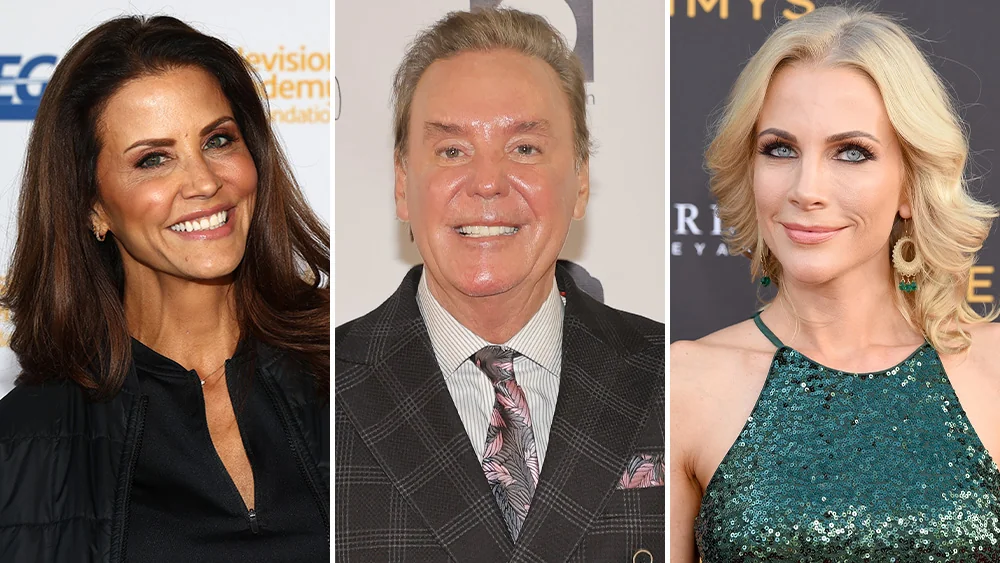
KTLA’s midday anchors and weathercasters are just the latest victims of Nexstar Media Group’s cost-cutting measures. Kacey Montoya, Mark Kriski, Lu Parker, Glen Walker, and Ellina Abovian all lost their jobs at KTLA in Los Angeles. This follows layoffs at WGN-TV in Chicago, where eight veteran reporters and anchors were let go.
The cuts are part of Nexstar’s strategy to reduce expenses as it gears up for its merger with rival Tegna.
The resulting company will have 265 stations across the country, reaching over 80% of U.S. TV households. This consolidation has raised concerns among unions and media experts about the future of local journalism.
Union Response and Broader Context
SAG-AFTRA President Sean Astin expressed strong disapproval of the layoffs, stating that Nexstar is “eroding the resources and talent that local communities rely on for trusted news.” He highlighted how these reductions in SAG-AFTRA talent coincide with the company’s push to finalize its merger with Tegna. The union argues that by cutting jobs now, Nexstar is setting a dangerous precedent that could undermine the quality of local reporting.
The timing of these layoffs is particularly poignant given the ongoing negotiations between SAG-AFTRA and Nexstar stations in multiple markets. Nexstar has been pushing for significant changes to the existing union contract, including reduced severance pay and other provisions that limit workers’ bargaining power.
Corporate Vision and Public Perception
Nexstar CEO Perry Sook has long advocated against the 39% cap on station ownership, describing it as outdated in an era of diversified media. His recent endorsement by President Trump, via Truth Social, further emphasizes Nexstar’s push for more competition in the media space. However, this corporate strategy is met with mixed reactions from viewers and industry experts.
Reese, a longtime KTLA viewer, summed up many people’s sentiments: “I won’t watch KTLA news anymore!
I have watched since I was in my early 20’s with a small tv in my kitchen every morning with the crew… now 60 and wont watch anymore. I dont like what they have done with my favs!!!” This public backlash underscores the tension between corporate consolidation and local community trust.
Final Thoughts
The Nexstar-Tegna merger, while promising a more competitive media landscape, also raises questions about the future of local journalism. As the industry continues to evolve, it remains to be seen whether these cuts will lead to improved efficiency or a loss in quality and diversity of voices.