Key Highlights
- The Republican Jewish Coalition conference in Las Vegas shifted focus from celebrating the release of Israeli hostages to addressing rising antisemitism within the GOP.
- Conservative think tank president Kevin Roberts’ defense of Tucker Carlson’s decision to host a far-right Holocaust denier sparked outrage and further emphasized the schism.
- Speaker after speaker condemned antisemitism, highlighting concerns about the future of Israel’s relationship with the Republican Party.
- Senator Lindsay Graham attempted to lighten the mood by jokingly calling himself part of “the Hitler-sucks wing of the Republican Party.”
Rising Antisemitism in the Republican Party
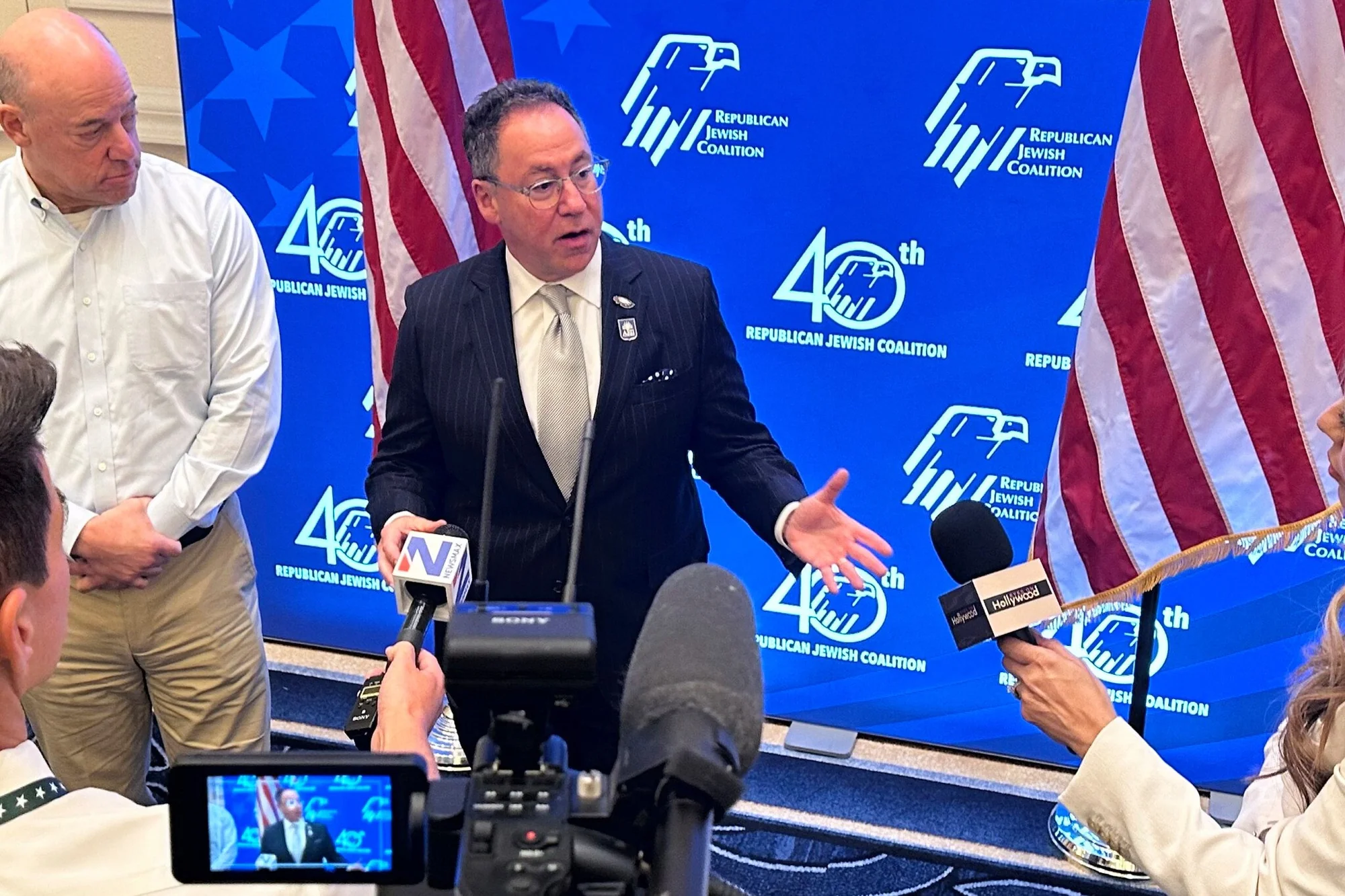
The annual conference of the Republican Jewish Coalition (RJC) in Las Vegas on November 1, 2025, took an unexpected turn as it shifted focus from celebrating the release of Israeli hostages to addressing rising antisemitism within the GOP. The event, originally planned to honor the return of Israeli hostages held for two years by Hamas, transformed into a clarion call against anti-Jewish rhetoric.
The conference’s agenda was abruptly altered due to a statement made just before the meeting by Kevin Roberts, president of the conservative Heritage Foundation. In response to criticism over hosting a far-right podcaster Nick Fuentes who espoused antisemitic beliefs on Tucker Carlson’s podcast, Roberts denied that the group was distancing itself from Carlson. This denial fueled outrage among staff and activists, further highlighting deep-seated tensions within the party.
Antisemitism on Both Sides of the Political Spectrum
The conference sent a clear message that antisemitic elements are present in various corners of the Republican Party. Several prominent figures, including Marjorie Taylor Greene and Candace Owens, were singled out for their contributions to this growing divide. Matthew Brooks, CEO of the RJC, stated, “We’re at this point in what I consider sort of the early stages of an undeclared civil war within the Republican Party, as it relates to Israel, antisemitism and the Jewish community.”
Conservative Think Tank Debates
The debate over whether the GOP has truly pivoted from its celebration to addressing internal issues was further complicated by a video conference call hosted by Heritage Foundation. Kevin Roberts defended Carlson’s decision to welcome Fuentes, despite Fuentes’ controversial views. This stance drew criticism and reflected broader skepticism toward Israel among some on the right.
During his remarks, Senator Lindsay Graham attempted to lighten the mood with humor, declaring himself part of “the Hitler-sucks wing of the Republican Party.” However, this attempt at levity was overshadowed by the serious concerns raised about antisemitism within the party. Even as he tried to downplay the threat posed by figures like Fuentes and others, Graham noted that such individuals could run for office and embrace extremist views: “But if you ever run for office as a Republican, and you embrace this weird shit, we’re going to beat your brains out.”
Future of Israel in the GOP
The conference also grappled with the future of Israel’s relationship with the United States. Several speakers expressed concern over the terms of the ceasefire agreement between Hamas and Israel, which required Hamas to disarm and disband. Rep.
Byron Donalds emphasized the importance of rooting out anti-Jewish elements within the GOP: “In our party we will not tolerate antisemitism.” Despite this resolve, there were differing views on how to achieve lasting peace in the region.
Brooks also pointed to a series of Telegram messages from National Young Republican leaders that praised Hitler and joked about gas chambers as symptomatic of the growing divide. These messages underscored the complex challenges faced by the RJC in containing this internal schism within the GOP.
The conference’s outcome highlighted both the urgent need for action against antisemitism and the deep divisions within the Republican Party regarding its stance on Israel and Jewish issues. As these discussions continue, they will likely shape future policies and positions of the party towards the Jewish community and the Middle East.