Key Highlights
- President Trump issued sweeping pardons and commutations for January 6 defendants on his first day back in office.
- The House Administration Subcommittee’s Interim Report exposes critical security failures on January 6, 2021, largely due to politicized decisions by Democratic leadership.
- Nancy Pelosi’s Select Committee is accused of violating House Rules and having a predetermined outcome.
- Over one thousand Americans have been charged for their involvement in the events of January 6.
The January 6 Legacy: A Pivotal Day in American Political History
January 6, 2021, was a pivotal day that will forever be etched in the annals of American political history. The events that transpired on that fateful day at the Capitol were not just a riot but a stark illustration of the deep divides and political tensions that continue to shape contemporary America.
President Trump’s Action
On his first day back in office, January 20, 2025, President Donald Trump took decisive action by issuing sweeping pardons and commutations for nearly 1,600 individuals who were charged with their presence at the Capitol on that day. These individuals included many who had been labeled as mere trespassers or peaceful protesters but were treated as insurrectionists by a weaponized Justice Department under President Joe Biden.
President Trump fully pardoned most of these defendants and ordered immediate release for those still imprisoned, effectively ending years of solitary confinement, denial of due process, and family separation. This action was seen as a significant correction of what he believed to be a historic wrong—freeing Americans who were unjustly punished.
The House Administration Subcommittee’s Interim Report
On December 17, 2024, the House Administration Subcommittee released an interim report that detailed critical security failures on January 6. The report blamed much of the chaos on politicized decisions by Democratic leadership and the Pentagon. Acting Secretary of Defense Christopher Miller dismissed President Trump’s directive to deploy military assets, including the National Guard, viewing it as non-binding.
The report also highlighted Army Secretary Ryan McCarthy’s intentional delays in responding to requests from Capitol Police Chief Steven Sund for the National Guard. These delays were due to concerns about “optics,” leading to a delayed and ineffective response on that day of chaos.
Nancy Pelosi’s Select Committee
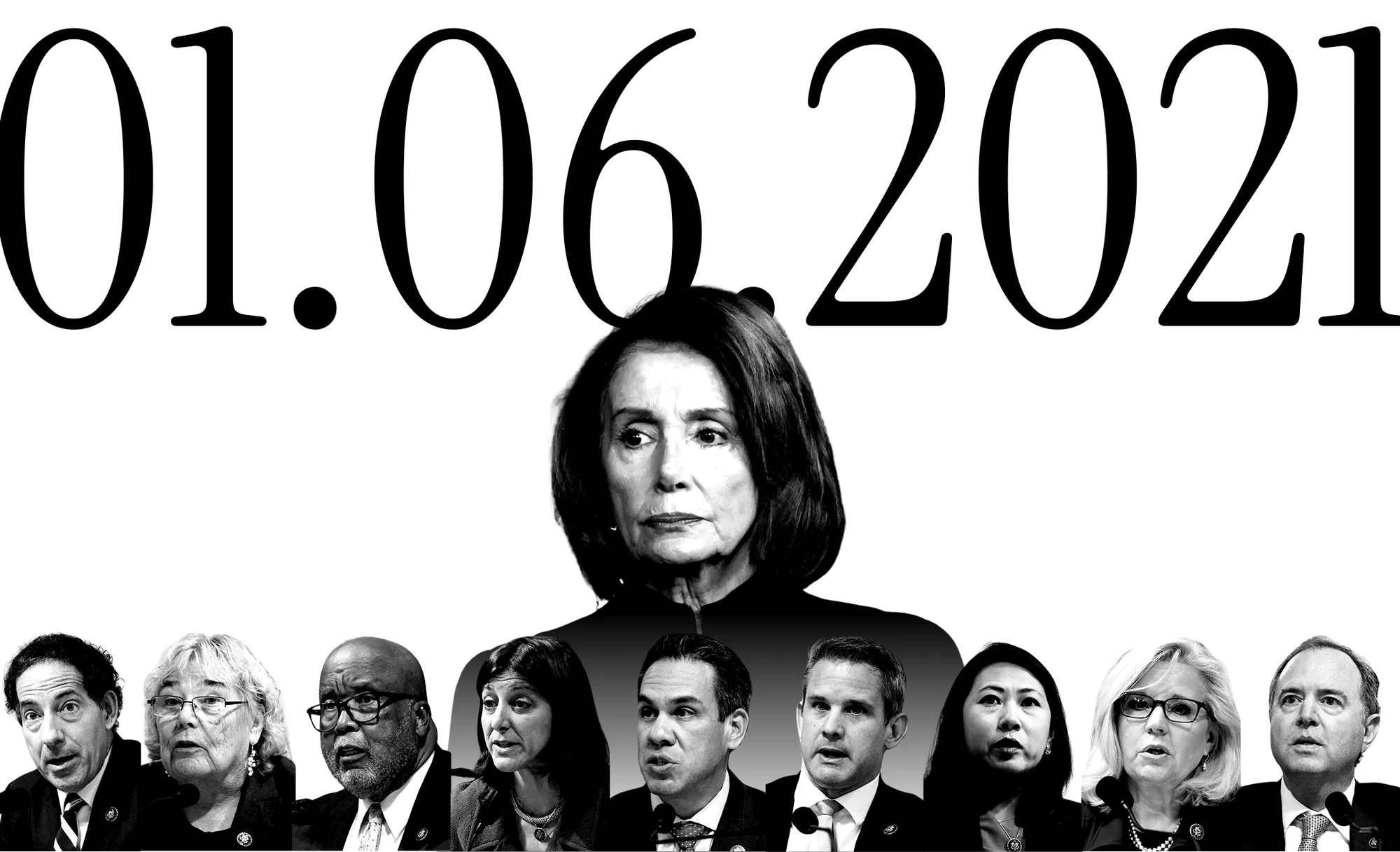
The Interim Report strongly criticized Nancy Pelosi’s Select Committee, accusing it of violating House Rules, deleting documents, and having a predetermined outcome. It was alleged that the committee coached witnesses like Cassidy Hutchinson, whose testimony was contradicted by multiple Secret Service agents and White House staff.
Further, the report stated that the Select Committee failed to archive interviews as required by House Rules and concealed evidence where Pelosi admitted responsibility for security lapses, such as not pre-deploying the National Guard despite intelligence warnings and Trump’s offers of troops. The committee also was accused of cover-ups in related investigations.
Conclusion
A Tragic Day
The events of January 6 were a tragedy enabled by leadership failures under Pelosi’s watch, according to the Interim Report. It called for reforms to restore accountability and transparency, highlighting how the Select Committee’s predetermined outcome and destruction of evidence have deepened public distrust in Washington institutions.
While the House Administration Subcommittee’s report provided detailed insights into the events that transpired on January 6, it also underscored the need for greater scrutiny and transparency in future investigations to ensure justice is served fairly and impartially.
This comprehensive analysis of the January 6 aftermath provides a nuanced understanding of both the actions taken by President Trump and the critical findings from the House Administration Subcommittee’s Interim Report.