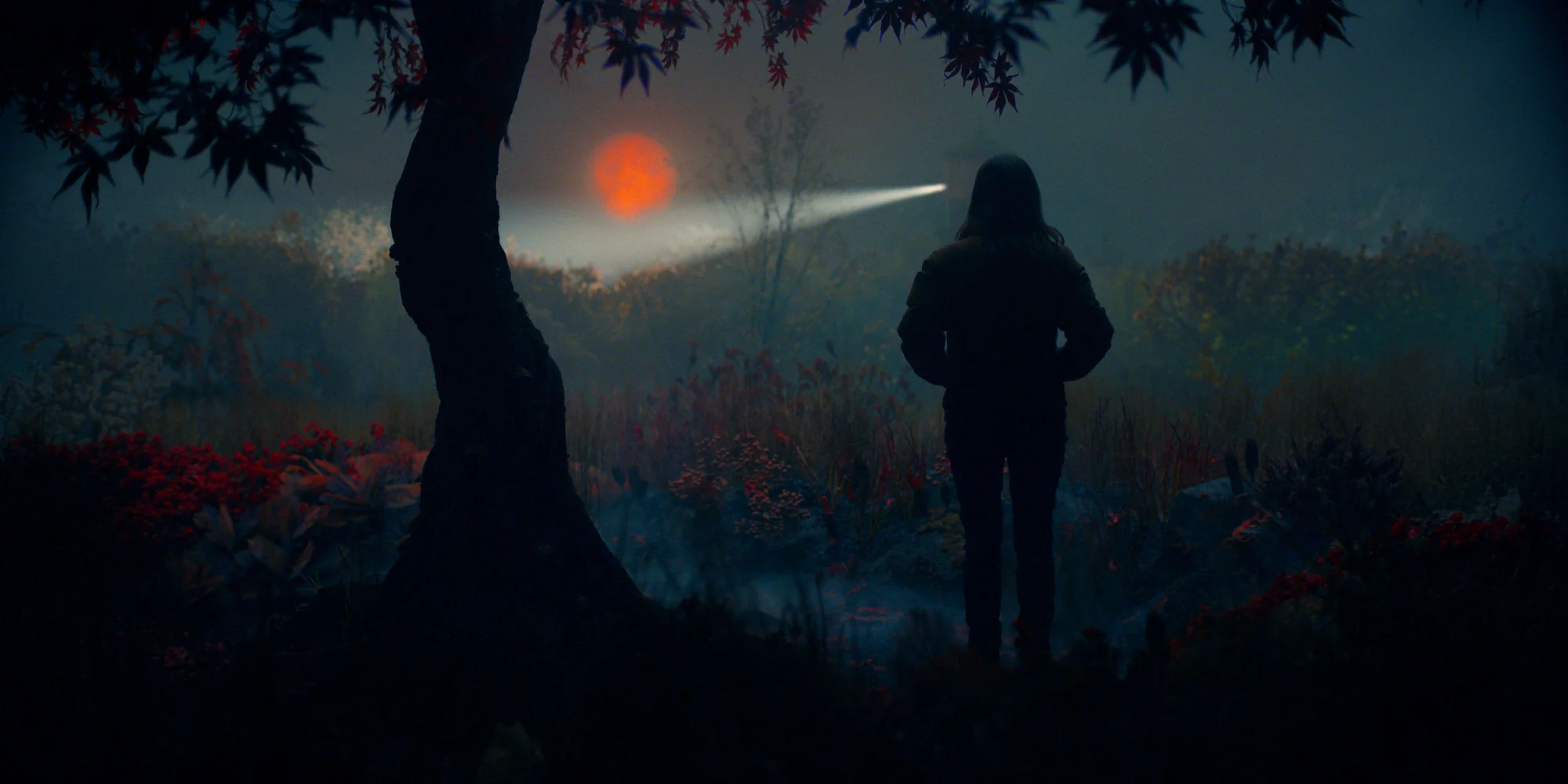
Key Highlights
- The HBO prequel series “It: Welcome to Derry” adapts pages from the seminal Stephen King novel.
- While the series is entertaining, it misses some of the key themes and depth of the original story.
- Welcome to Derry leans more towards light-hearted schlock than prestige television despite its high production values.
- The series excels in its jump scares and quirky moments but falls short on meaningful exploration of King’s narrative.
From Big-Screen Horror to TV Prequel: The Journey of “It”
“It,” the 2017 horror film directed by Andy Muschietti, broke records as one of the highest-grossing Stephen King adaptations. Its success paved the way for an HBO prequel series titled “Welcome to Derry,” which aims to delve deeper into the origins of Pennywise and the town’s history.
The original novel spans over 1,000 pages, exploring themes of childhood trauma, community complicity, and the cyclical nature of horror. Stephen King himself has acknowledged that the story is rich with material, suggesting there’s plenty for a prequel to explore beyond just the iconic clown character.
Comparing “It” to Its TV Prequel
Welcome to Derry takes place in 1962 and follows Will Hanlon, the son of Mike Hanlon (a key member of the Losers Club from the original novel). The series aims to establish a more complex narrative, focusing on the Cold War era and racial tensions. However, this approach often feels contrived rather than organic.
According to journalist Miles Surrey, “While setting up jump scares works well in movies, it’s less suited for the rhythms of a TV show. By this point, it’s less creepy than cliché.” This critique highlights how the series struggles to maintain the suspense and tension that made the original novel so compelling.
The Successes and Flaws of “Welcome to Derry”
Despite its shortcomings in exploring deeper themes, Welcome to Derry excels at delivering entertaining content. The show’s most memorable moments often come from its more lighthearted and quirky elements. For instance, the subplot involving Will’s father, who believes capturing Pennywise could help keep the country safe, is both absurd and intriguing.
One of the series’ strongest assets is Bill Skarsgard’s portrayal of Pennywise.
Despite appearing sparingly, his performances add a layer of fear that complements the show’s other scares. According to film critic Kate Knibbs, “Skarsgard’s presence, even in brief scenes, has tremendous effect.”
However, the series fails to fully tap into the rich tapestry of themes that King’s novel offers. As Surrey notes, “The real curse plaguing Derry isn’t Pennywise but our inability to leave well enough alone.” This statement underscores the disappointment felt by viewers who expected a more substantial and meaningful adaptation.
Conclusion
The Future of Stephen King Adaptations on HBO
Welcome to Derry represents a significant step in adapting Stephen King’s extensive work for television. However, it serves as a reminder that not all adaptations can capture the depth and complexity of their source material. While the series offers entertainment value, it falls short in delivering the nuanced exploration of horror and societal issues that made “It” a literary masterpiece.
As HBO continues to explore Stephen King’s vast universe through various mediums, future projects will need to balance fun scare moments with meaningful storytelling to truly honor the author’s legacy. The challenge remains: How can these adaptations capture both the terror and the heart of King’s tales?