Key Highlights
- The federal government remains shut down for the third-longest period in U.S. history.
- Democratic Senator Mark Kelly and other lawmakers advocate for reopening the government this week if Republicans agree to discuss health care subsidies.
- A Senate vote is scheduled for Monday at 5:30 p.m. ET, with potential consequences of extending the shutdown or ending it depending on the outcome.
- The government shutdown affects essential services like Social Security and Medicare payments, but also impacts non-essential functions such as national parks and museums.
Government Shutdown Continues: Key Points and Impacts
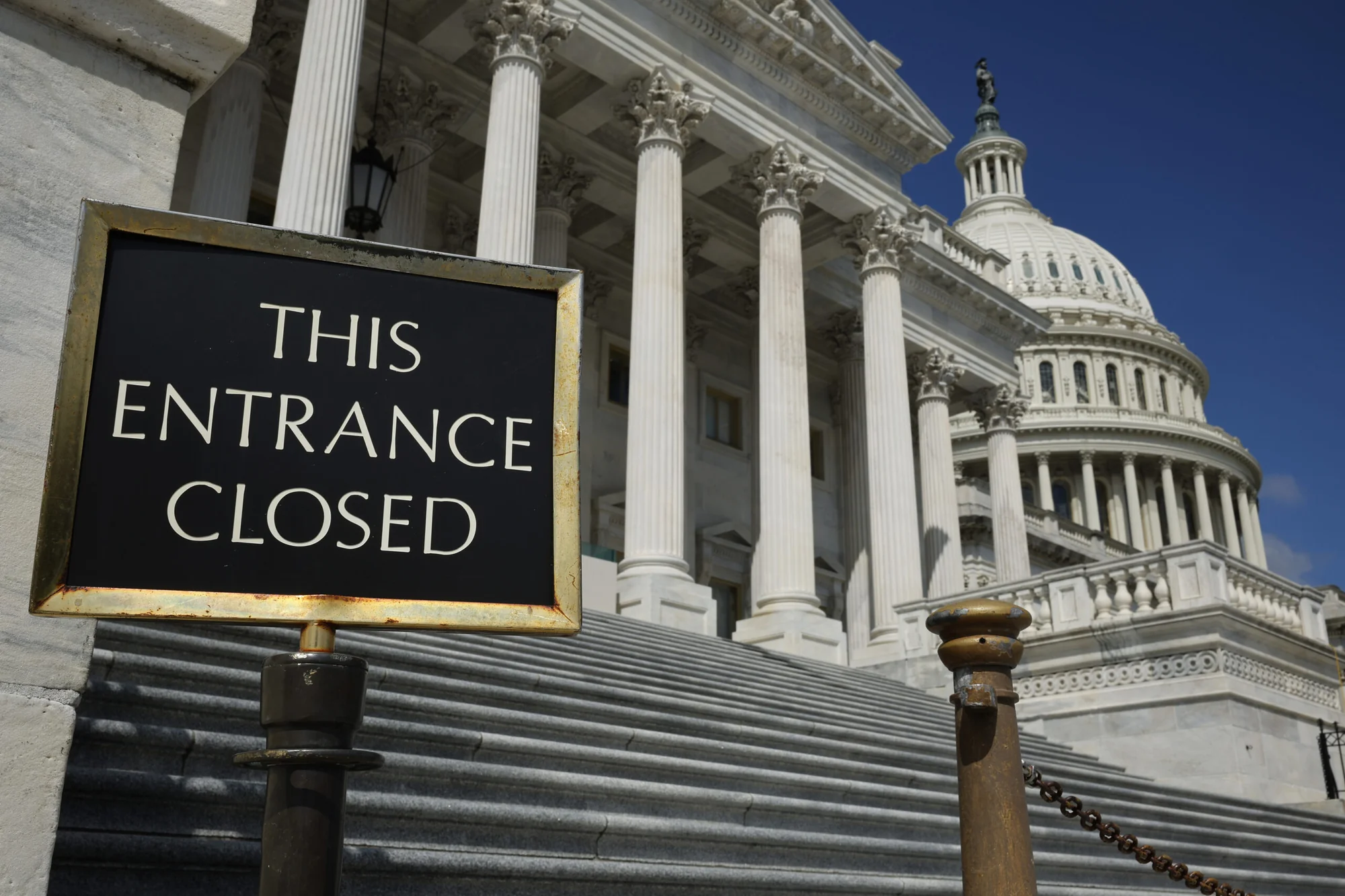
The federal government remains shut down since October 1, marking the third-longest shutdown in U.S. history, only surpassed by the 1995 and 2018-2019 shutdowns.
More than 750,000 federal workers have been furloughed or ordered not to report to work. Essential services continue for military personnel, law enforcement officers, border patrol agents, and air traffic controllers. The Pentagon has issued an executive order ensuring active-duty military personnel are paid despite the shutdown.
Political Stalemate and Negotiations
Democratic Senator Mark Kelly of Arizona stated on “Face the Nation” that a potential deal to reopen the government could be achieved this week if Republicans are willing to discuss health care subsidies. However, Republican Senator Katie Britt urged Democrats to “do the right thing” first by reopening the government.
The Senate is scheduled to reconvene and vote on Monday at 5:30 p.m. ET for the 11th time to end the shutdown.
If the bill passes and is signed by President Donald Trump, the shutdown will be resolved. Otherwise, it could extend into its third week.
Impact of the Shutdown
Major government services like Social Security and Medicare payments continue as scheduled, though there are disruptions in non-essential functions such as national parks and museums. The U.S. Postal Service remains open due to self-funding, but air traffic controllers and TSA officers are required to work without expected pay.
The shutdown affects the Supplemental Nutrition Assistance Program (SNAP) and WIC, with warnings from state health officials about potential funding shortages for November benefits if the shutdown continues. The Department of Homeland Security has confirmed that over 70,000 law enforcement officers will be paid during the shutdown.
Future Implications
The ongoing government shutdown is a testament to the political deadlock in Washington, with key issues like health care subsidies and budget negotiations stalling. The impact on federal workers and public services continues to grow, raising concerns about long-term effects on government operations and public trust.
Expert perspectives suggest that resolving this impasse requires bipartisan cooperation and a willingness from both sides to find common ground. Failure to do so could lead to further disruptions in essential services and potentially negative economic consequences for the country.
The federal government shutdown, now in its third week, continues to cast a shadow over U.S. operations and public confidence. As lawmakers grapple with crucial issues like health care subsidies, negotiations will be critical to ending this prolonged impasse.