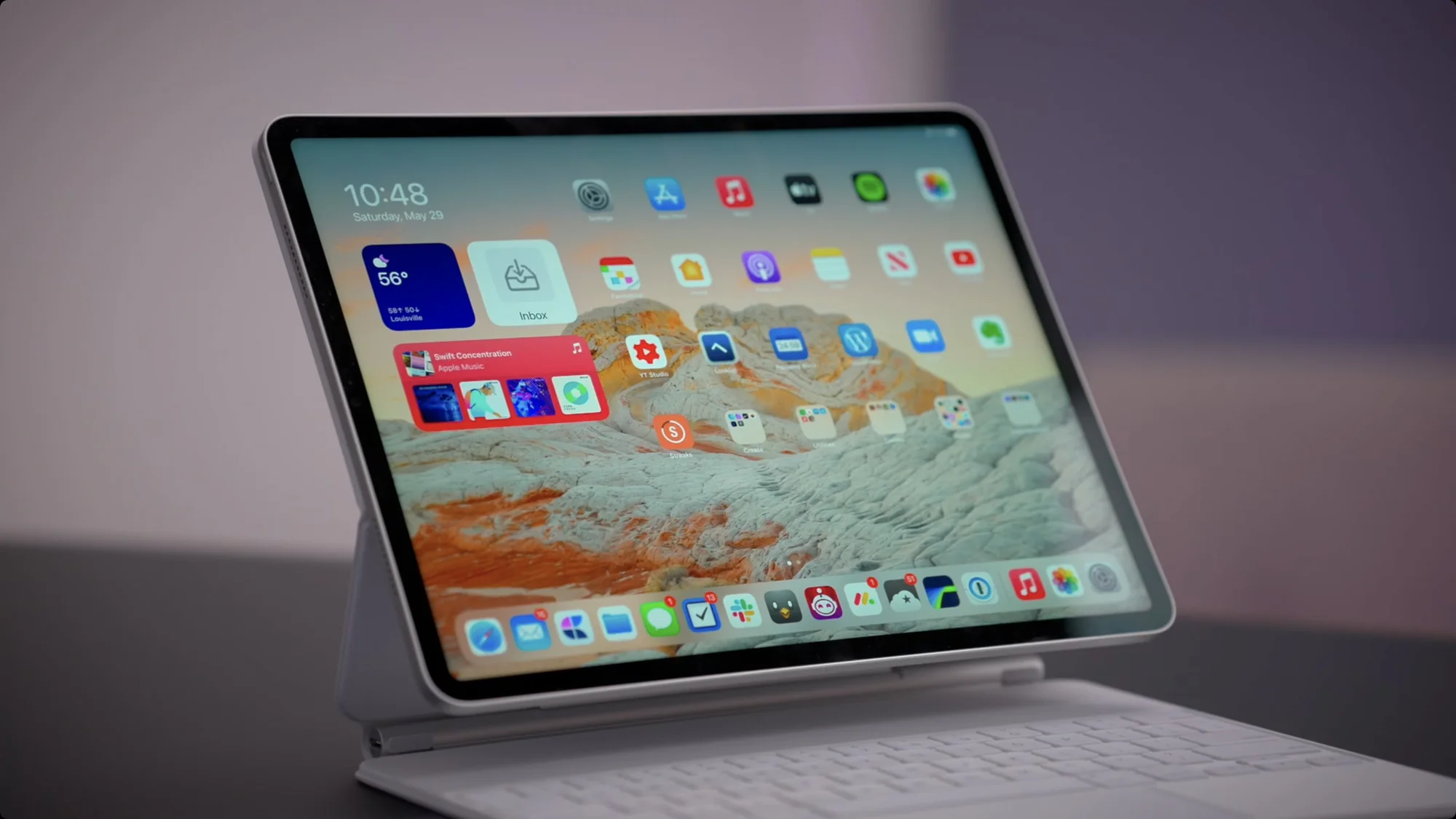
Key Highlights
- The 2025 iPad Pro with the M5 chip is reviewed for its performance and potential to replace Macs as a primary computer.
- IpadOS 26 enhances multitasking capabilities, making it more laptop-like in functionality and user experience.
- While the iPad Pro offers many of the same features as Macs at a lower price point, certain professional tools are still lacking.
- The review concludes that the iPad Pro is getting closer to becoming a main computer but isn’t quite there yet.
The Evolution of the iPad Pro: A Review
Apple’s latest iteration of the iPad Pro, equipped with the M5 processor, continues to push boundaries in its quest to blur the lines between tablet and laptop. The device, priced at $999 for 256GB, offers a formidable combination of speed, display quality, and versatility that challenges traditional notions of what a tablet can do.
Key Features and Performance
The iPad Pro with M5 is essentially the same design as its predecessor but introduces significant performance improvements. The new processor boasts faster multicore benchmarks compared to previous models, making it more capable in tasks such as video editing and graphic design. The Ultra Retina XDR display remains a standout feature, providing vivid colors and excellent clarity for media consumption.
Apple’s iPadOS 26 introduces a window system that mimics the functionality of Macs, allowing users to open multiple applications simultaneously.
This is a significant step towards making the iPad Pro more versatile as a primary computing device. However, certain aspects of the browser experience still lag behind expectations for a full-fledged computer.
Pros and Cons
Pros: The M5 processor significantly boosts performance, the OLED display remains excellent, and the multitasking capabilities are more refined than ever. FaceID sign-ins are smooth, and the Pencil Pro offers new features that enhance creativity and productivity.
Cons: While the iPad Pro is cheaper than a Mac, it still requires additional investments in accessories such as keyboards and chargers. The browser experience on iPadOS 26 feels less integrated compared to desktop environments. Additionally, some professional tools found on Macs are not yet available or fully optimized for the iPad.
Future Implications
The increasing capabilities of the iPad Pro suggest that it is getting closer to becoming a viable replacement for laptops in many scenarios. However, there are still limitations, particularly regarding software support and professional tools. As Apple continues to refine its operating system and hardware, the gap between iPads and Macs may continue to narrow.
Ultimately, while the iPad Pro offers a compelling alternative, it is not yet ready to fully replace Macs for all users. The device’s strength lies in its ability to provide similar functionality at a lower cost, making it an attractive option for many consumers seeking a more versatile and less expensive computing solution.