Key Highlights
- The clothing rental market is valued at around $2.6 billion and projected to top $6 billion over the next 10 years.
- For Gen Z, style isn’t just about affordability—it’s about discovery, sustainability, and personal expression.
- Nuuly, Pickle, and BNTO are leading players in clothing rental apps that give shoppers access to current, high-quality designer items at reduced prices.
- The acceptance of sharing is clear in demographics: Some 60% of Pickle users are Gen Z, while the remaining 40% are millennials.
Inside Gen Z’s Obsession with Renting Everything
Amanda Hoover, a senior correspondent at Business Insider, sheds light on how Gen Z is leading the trend of renting everything from clothes to strollers. The obsession isn’t just about affordability; it’s also driven by sustainability and personal expression.
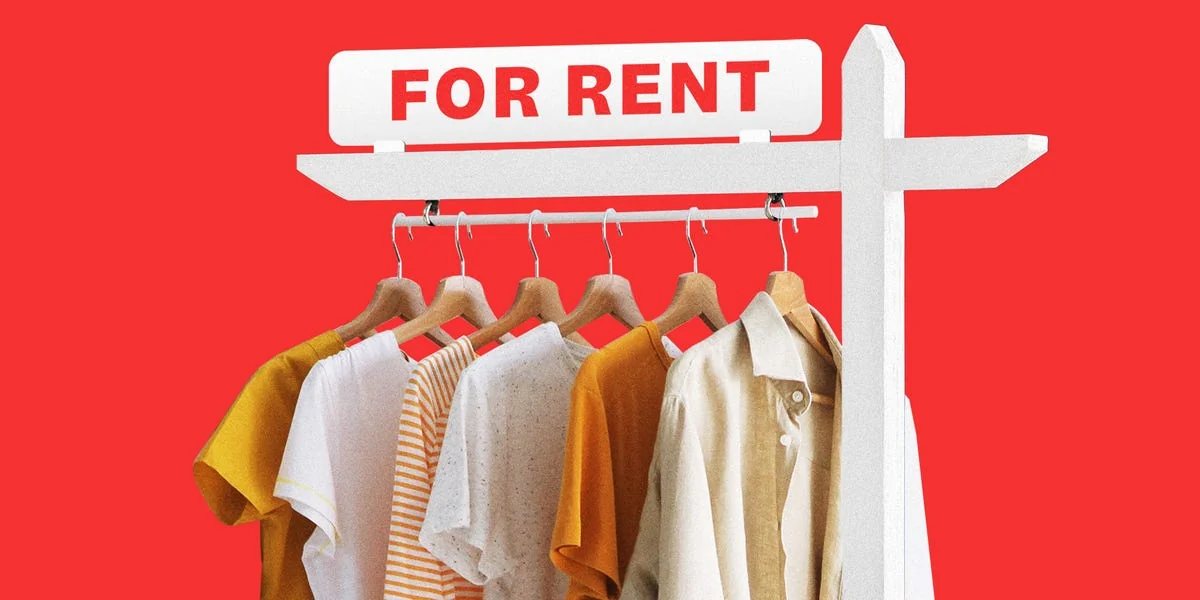
The Rise of Clothing Rental Apps
Over the past decade, fast fashion has faced criticism for its environmental impact and exploitation of workers. As a result, thrifting and meeting up with strangers from Facebook Marketplace became trendy—more than 1 billion people use it monthly—and apps like Poshmark and Curtsy have made thrifting seamless no matter how far away you live from the used Kate Spade bag you desire.
The mindset shift has given way to clothing rental apps like Nuuly, BNTO, and Pickle. These apps provide access to current, high-quality, and designer items at reduced prices, making style more accessible for younger, mid-tier shoppers. Nuuly, owned by Urban Outfitters’ parent company Urbn, hit its first profitable year in January.
Market Trends and Impact
The clothing rental market is currently valued at around $2.6 billion and is projected to top $6 billion over the next 10 years, according to research firm Future Market Insights. For Gen Z, style isn’t just about affordability—it’s about discovery, sustainability, and personal expression.
Shawn Grain Carter, a professor of fashion business management at the Fashion Institute of Technology, explains that sporting secondhand and borrowed pieces has become “cool to do.” It doesn’t signify your financial status within the world; it has a certain cachet that it did not have before. Fashion sense is less about the names in your closet and more about the new, bold pieces you can post once to social media.
Consumer Behavior and Market Growth
Rent the Runway defined the clothing rental market when it launched in 2009 but slumped during the pandemic due to a lack of places to wear designer items. Nuuly captured younger, mid-tier shoppers with options ranging from accessible brands like Urban Outfitters to pieces that sell for a few hundred dollars.
Apps like Nuuly also came about after other companies normalized renting once seemingly intimate items and spaces. Need a cheap room to crash in?
Airbnb offers that. A private driver at your door? Uber Pool can facilitate that.
Taking a risk on a dress that’s already been worn by several strangers doesn’t seem so strange anymore.
The acceptance of sharing is clear in the demographics: Some 60% of Pickle users are Gen Z, while the remaining 40% are millennials, according to the company. And it’s not just clothes—there are BabyQuip for strollers and car seats and Tblscape for glassware, plates, and table decor to host events.
Financial Implications
Renting gives people the dopamine of a shopping spree without the guilt. Isabella De Murguia, a 27-year-old who works in consulting, has made more than $25,000 renting out her closet on Pickle over the past year. She calls the extra cash her “fun money” and uses it to travel on luxe vacations.
Experts predict that as rental subscriptions increase, there’s a potential for greater financial gain.
For renters, there’s a killing to be made. Amanda Hoover notes that Nuuly now averages 400,000 active monthly users, while Pickle has seen significant growth in Los Angeles and Miami.
As the trend continues, it will likely have broader implications on the fashion industry, consumer behavior, and sustainability efforts. The future of rental culture is poised to transform how we view ownership and consumption in a more responsible and sustainable way.