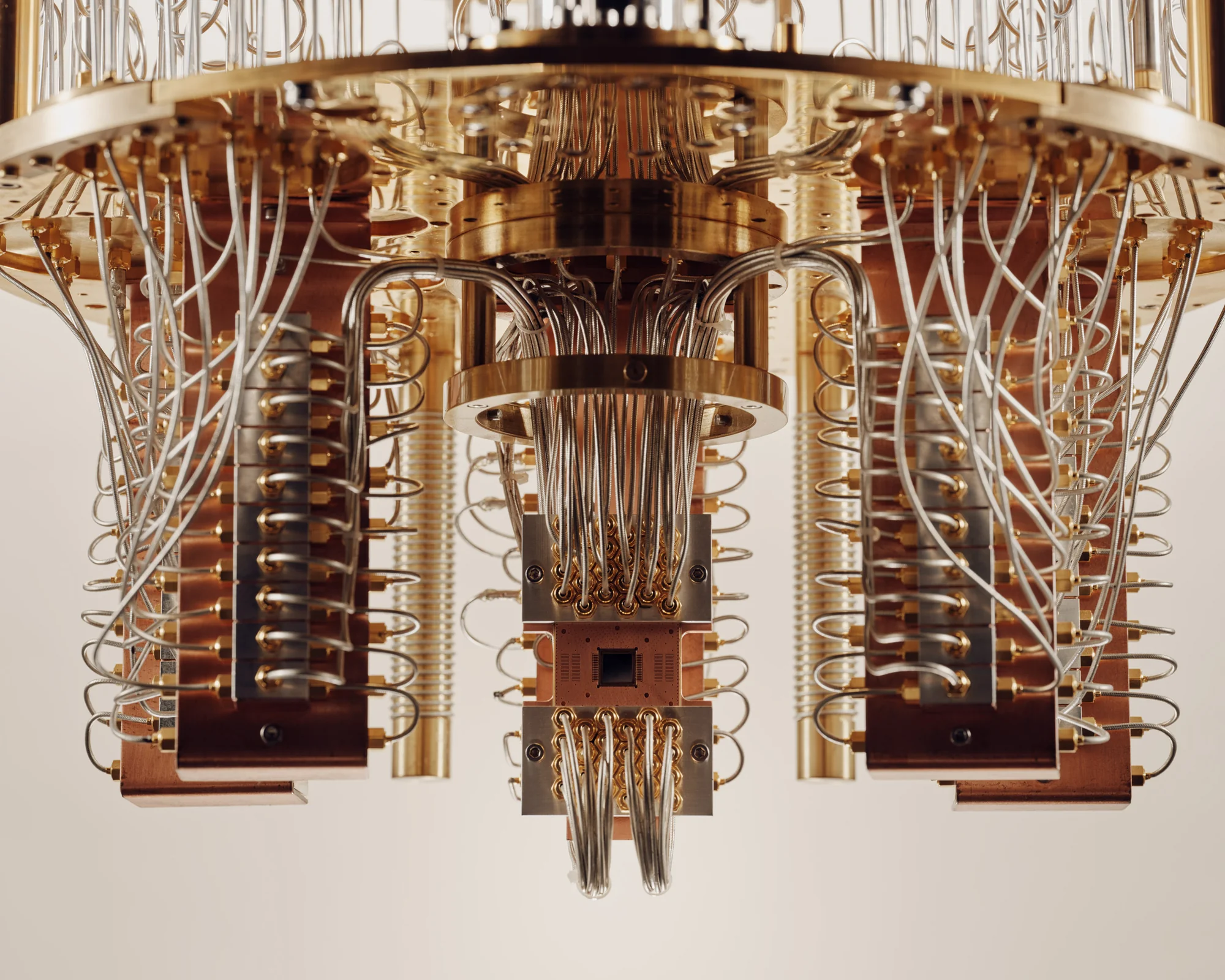
Key Highlights
- IBM can run a key quantum computing algorithm on standard AMD chips.
- The work was completed a year ahead of schedule and is expected to make quantum computing more accessible.
- This breakthrough could blur the line between classical and quantum computing infrastructure.
- A share price bump for AMD followed this news, indicating investor interest in the potential implications.
Quantum Leap: IBM’s Algorithm Meets AMD Hardware
International Business Machines Corporation (IBM) has made a significant stride in the realm of quantum computing by demonstrating that its key algorithm can function on commonly available Advanced Micro Devices (AMD) chips. This development, reported by Reuters and confirmed through an interview with Jay Gambetta, IBM’s vice president for quantum efforts, marks a crucial milestone as it could make quantum computing more accessible to a broader range of users.
According to Gambetta, the algorithm not only works in theory but also performs exceptionally well on commercially available AMD chips that are notably affordable. This is significant because previous quantum algorithms required specialized and expensive hardware, which limited their practical application. IBM’s success here underscores its commitment to making quantum computing more accessible and relevant for real-world problems.
Breaking Down the Algorithm
The specific algorithm in question focuses on error correction—a critical aspect of quantum computing that ensures data remains accurate despite qubits’ inherent susceptibility to errors. Gambetta highlighted that this work was completed a year ahead of schedule, indicating IBM’s efficiency and dedication to advancing its quantum initiatives.
“Implementing it, and showing that the implementation is actually 10 times faster than what is needed, is a big deal,” Gambetta said in an interview with Reuters. This statement emphasizes the algorithm’s performance and practicality, setting a benchmark for other companies working in this field.
Industry Impact and Future Prospects
This breakthrough could have far-reaching implications for the tech industry as a whole. By demonstrating that quantum algorithms can run on standard chips, IBM is potentially redefining the boundaries between classical and quantum computing infrastructure. This shift could open new doors for hybrid architectures where classical chips host quantum resilience without needing dedicated quantum hardware.
The news has also boosted AMD’s stock price, marking it up 6.5% in premarket trading.
This reaction from investors suggests a growing belief that advancements in quantum technology could benefit chipmakers like AMD as well. The potential for hybrid architectures and the broader integration of quantum computing principles into classical systems could be transformative.
While IBM continues to develop its Starling quantum computer, which is planned for completion by 2029, this algorithm’s success on standard hardware positions them—and potentially other companies like AMD—in a strong competitive position. As Microsoft and Alphabet’s Google also make strides in quantum computing, the race to dominate this emerging technology will continue to heat up.
For investors and industry watchers, this development is not just about quantum leaps but about potential dividends from new technological frontiers. The future of computing may indeed be hybrid, with classical and quantum technologies coexisting more seamlessly than ever before.
Conclusion
The ability to run IBM’s key quantum algorithm on standard AMD chips marks a significant step forward in the practical application of quantum technology. This achievement not only accelerates IBM’s timeline for developing its Starling quantum computer but also opens new possibilities for integrating quantum principles into existing computing infrastructure.
As the tech industry watches this development closely, one thing is clear: the future of computing may be closer than we think, and it will likely involve a blend of classical and quantum technologies. Investors in both IBM and AMD should remain vigilant as these companies continue to push the boundaries of what’s possible with cutting-edge technology.