Key Highlights
- Six health workers were abducted from the Saudi Maternity Hospital in el-Fasher, Sudan.
- A mass shooting killed over 460 patients and their companions on October 28, 2025.
- The Rapid Support Forces (RSF) took control of el-Fasher, leading to a humanitarian crisis.
- International organizations like the World Health Organization are calling for protection of healthcare facilities.
The Crisis in Sudan’s Darfur Region
The situation in Sudan’s Darfur region has taken a devastating turn with reports of a massacre at the last functioning hospital in el-Fasher, where doctors have been working under extremely difficult conditions. Since the city fell to the Rapid Support Forces (RSF) on October 28, 2025, six health workers were kidnapped, and over 460 patients and their companions were reportedly shot and killed.
Dr Mohamed Faisal Elsheikh, a Sudanese medical doctor based in Manchester and spokesperson for the Sudan Doctors Network, described the doctors as “heroes” who worked tirelessly despite a lack of basic resources. He stated that they performed operations by torchlight without electricity or medical instruments, managing to save lives under unimaginable conditions.
Scourge of RSF
The attack on the hospital in el-Fasher marks a stark escalation in violence against healthcare facilities and workers in Sudan. According to the World Health Organization (WHO), prior to this latest incident, 185 attacks on health care had resulted in 1204 deaths and 416 injuries of health workers and patients since April 2023.
RSF leader General Mohamed Hamdan Dagalo has pledged to investigate the allegations of war crimes by his soldiers. However, this promise is met with skepticism given his failure to address previous atrocities committed by the group. Satellite images from Vantor show signs of damage and potential bodies at the hospital after RSF attacks.
Humanitarian Fallout
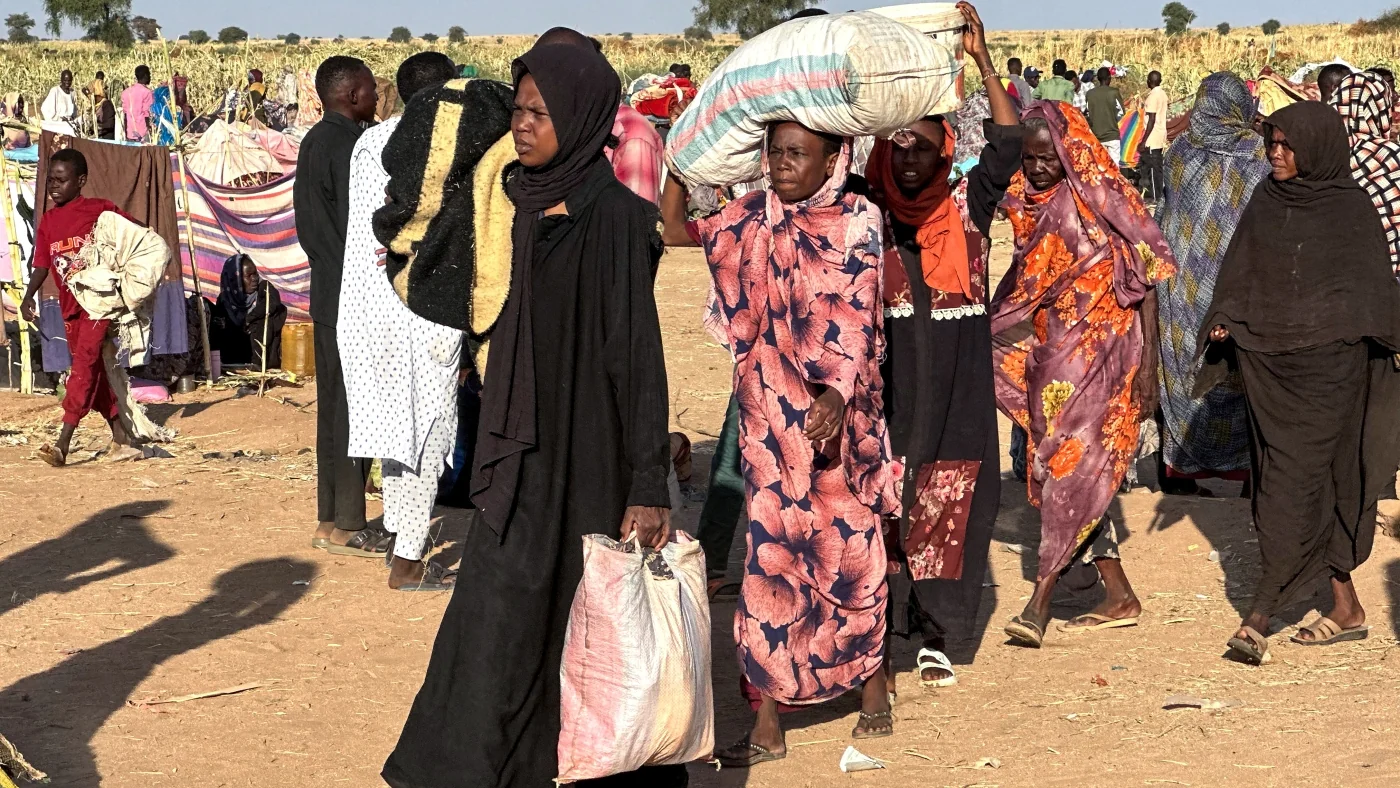
The fall of el-Fasher has led to a humanitarian crisis, with displaced civilians fleeing the city for safety in nearby towns like Tawila. The UN’s migration organization reports that 26,000 people have fled since the takeover, including many women and children showing alarming levels of malnutrition indicative of famine conditions.
Aid workers from organizations such as Doctors Without Borders and Save the Children have documented harrowing accounts of violence and desperation among refugees. One mother described hiding in trenches during attacks and running into abandoned buildings to survive. Another recounted being beaten and robbed by a gang while fleeing, losing family members along the way.
Global Response
The UN Security Council held an urgent meeting on Thursday to address the ongoing crisis. UN humanitarian chief Tom Fletcher expressed concern that this situation recalls the horrors of Darfur’s genocide two decades ago but noted a different global response marked by resignation rather than action.
WHO head Tedros Adhanom Ghebreyesus called for immediate protection of health facilities, workers, and patients under international law. His statement comes as multiple countries continue to accuse RSF and allied Arab militias of committing genocide against African ethnic groups in the current conflict.
This article provides an overview of the ongoing crisis in Sudan’s Darfur region, highlighting the brutal attacks on healthcare infrastructure and the dire humanitarian situation facing civilians.