Key Highlights
- Elijah Wood’s modest salary for The Lord of the Rings trilogy contrasted with the film’s $2.9 billion global success.
- The financial structure of upfront salaries and backend deals shaped actors’ earnings in high-stakes productions like this.
- Wood’s career trajectory demonstrates the long-term benefits of initial sacrifices in blockbuster films.
- The economic impact of The Lord of Rings extends beyond box office receipts, influencing tourism and merchandise sales.
The Modest Salary Behind a $2.9 Billion Success Story: Elijah Wood’s Journey with The Lord of the Rings
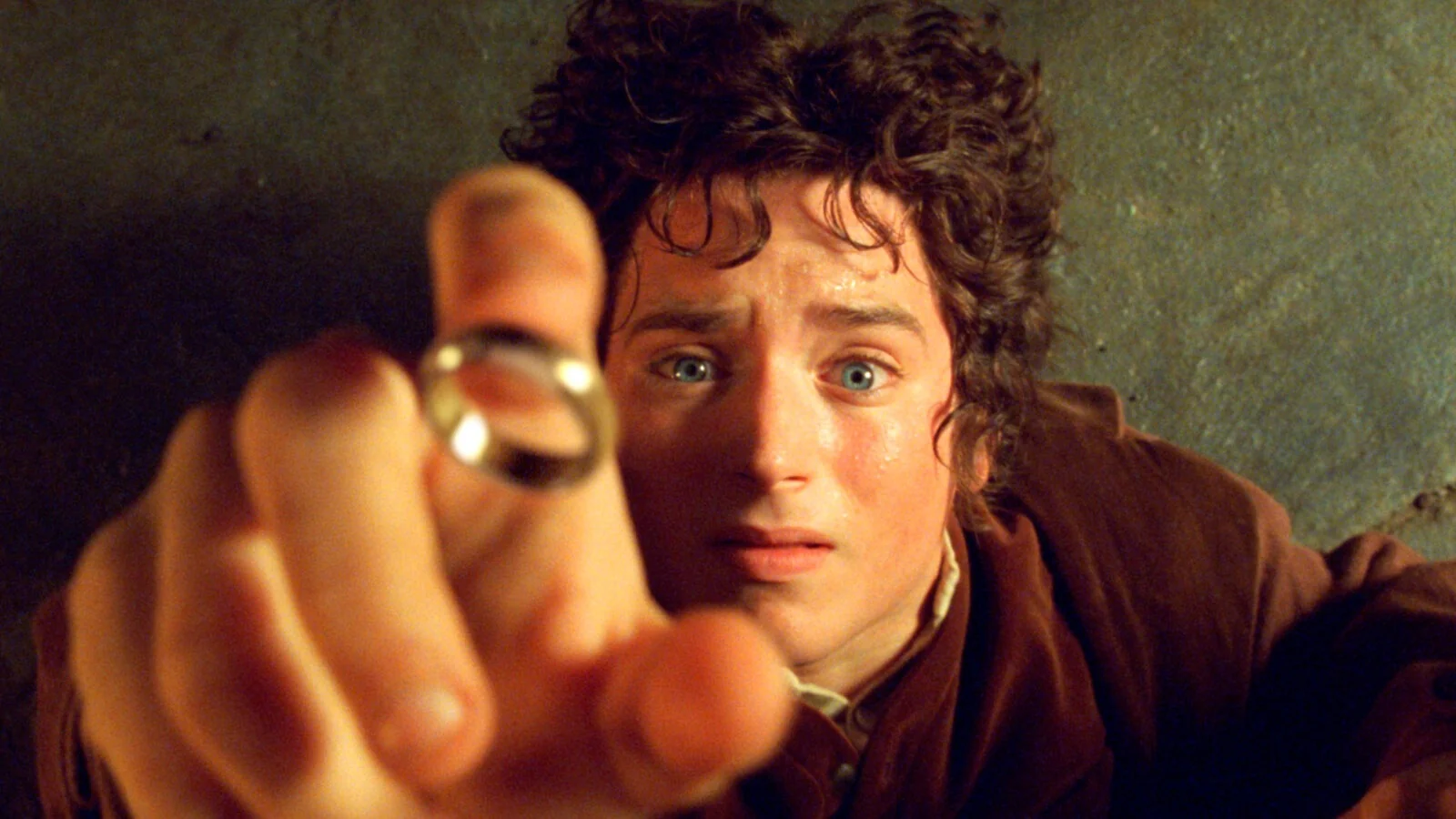
Elijah Wood’s journey into the world of Middle-earth began in 2000 when he stepped into the role of Frodo Baggins, just as Peter Jackson was preparing to bring J.R.R. Tolkien’s epic tale to life. That decision launched Wood into a whirlwind of adventure that reshaped his life forever.
A Modest Start: Elijah Wood’s Early Compensation
Wood began with a homemade audition tape that caught Jackson’s eye, leading him to become the first cast member locked in for all three films. His salary for The Fellowship of the Ring was $250,000, covering his work across the entire shoot. This modest upfront payment underscored the ambitious nature of the project and left actors like Wood betting on future rewards rather than instant riches.
Negotiations and Earnings: The Sequel Trilogy
Wood managed to renegotiate for the sequels, pushing his total earnings for the trilogy to about $1 million. This setup echoed across the cast, with Orlando Bloom receiving $175,000 for Legolas over all three films, and Sean Astin taking home $75,000 per movie—a sum that barely kept his family afloat during the long shoot.
The Hidden Power of Backend Deals: Lessons from Frodo’s Gamble
Wood’s slice of the fortune remained tiny, amounting to less than 0.04 percent of the gross. Yet, this modest deal reflects New Line Cinema’s bold strategy to fund a $281 million production without ballooning upfront costs. The emotional pull of those early days lingers for Wood, who has spoken warmly about the camaraderie forged in New Zealand’s wilds, where the cast bonded over shared hardships and dreams of the films’ success.
The Economic Legacy: Beyond Box Office Hits
The trilogy exploded into theaters starting in 2001, pulling in over $2.9 billion worldwide by the end of The Return of the King in 2003. Adjusted for inflation, that haul towers at more than $5 billion today, cementing its place among the all-time box office giants. The budget, equivalent to $514 million in current dollars, seemed risky at the time but audiences worldwide embraced the saga with fervor that turned skeptics into superfans overnight.
Long-Term Benefits and Legacy: Wood’s Net Worth Today
Fast forward to 2025, and Wood’s net worth hovers around $10 million. He has voiced characters in hits like Happy Feet, produced indie gems through his company SpectreVision, and dipped into music ventures that keep his creative fire alive. The trilogy’s shadow never dims; it illuminates paths he might never have trod.
Reflecting at the Texas Film Awards earlier this year, Wood shared a vulnerable insight: the low pay tested his resolve but the shared quest with Jackson and the cast forged bonds stronger than gold. That emotional core, paired with the franchise’s billion-dollar echo, proves the ultimate payout.
In a world chasing quick wins, Wood’s arc reminds us that some investments bloom slowly, rewarding patience with a legacy as timeless as the Shire itself.