Key Highlights
- ADT Plus, a new home security system by ADT in partnership with Google, introduces facial recognition for hands-free access.
- The system costs $40 per month and integrates seamlessly with existing Google Nest products, offering an innovative way to enter homes automatically.
- Automatic disarming and unlocking features enhance convenience but come at a premium price point, raising questions about value for money.
- While the technology represents progress in home security, it raises privacy concerns and ethical considerations regarding facial recognition usage.
The Rise of Smart Home Security with ADT Plus
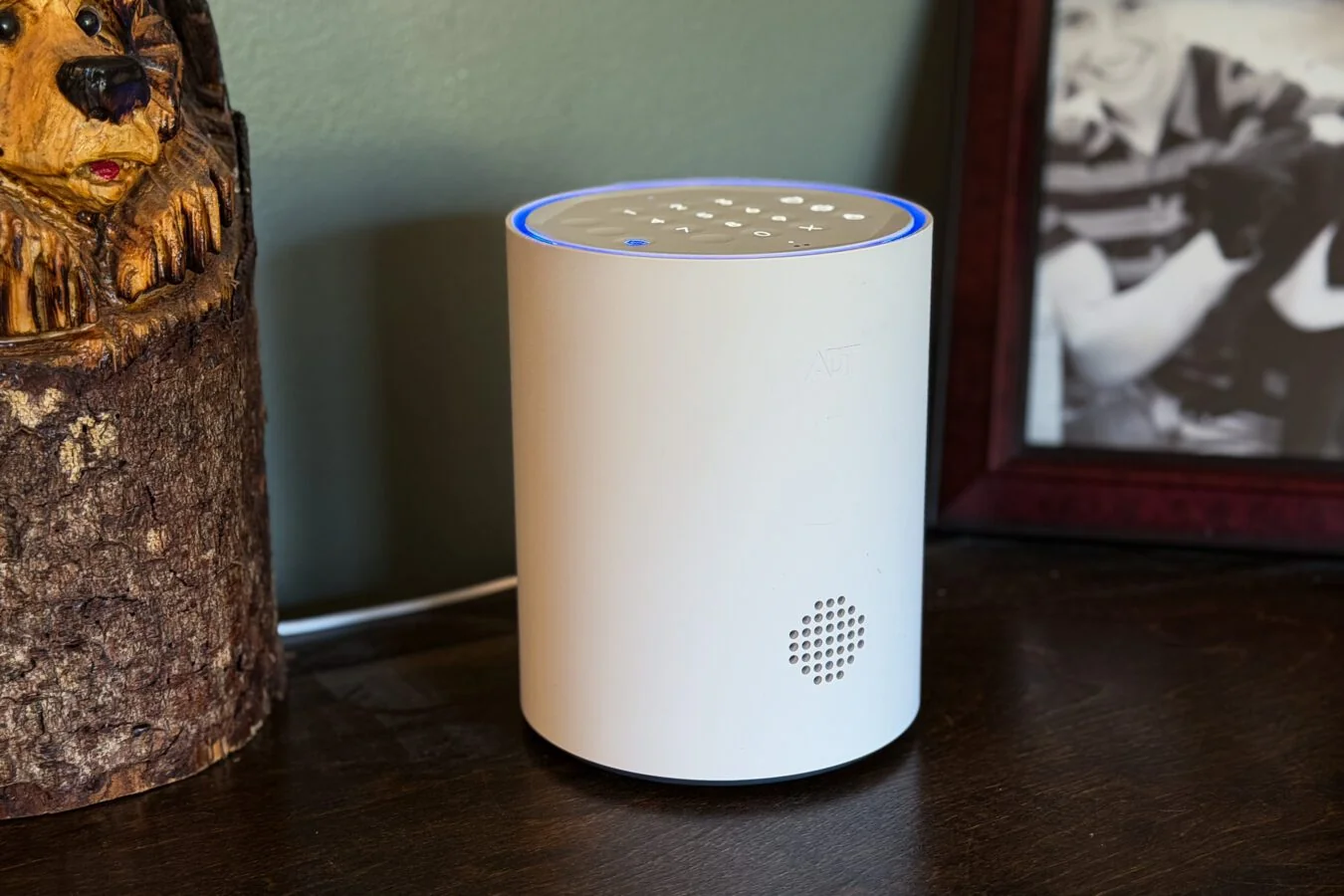
ADT, a pioneer in the home security industry, has partnered with tech giant Google to introduce ADT Plus, a new system that leverages facial recognition technology for hands-free entry. This innovative approach marks a significant step forward in smart home security, offering a seamless and convenient experience without requiring users to enter passcodes or use their smartphones.
A Hands-Free Future: ADT Plus and Google Nest Integration
The system works through the Google Nest Doorbell’s Familiar Faces feature, which recognizes authorized users as they approach the door. Once identified, the system cross-references this data with location information from a user’s phone to confirm their identity before automatically disarming and unlocking the front door upon entry. This integration of advanced technology ensures that homeowners can enjoy a more secure environment without compromising on convenience.
Price Points and Contract Considerations
The cost for ADT Plus is $40 per month, which includes the base system, sensors, and various accessories necessary to set up a comprehensive security network. While the technology offers significant benefits in terms of ease of use and enhanced security features such as automated arming/disarming options, the monthly subscription model could be prohibitive for some consumers. The company’s pricing strategy involves complicated contract structures that can vary based on location and installation packages, making it essential for potential buyers to carefully review these before committing.
Privacy Concerns and Ethical Implications
The use of facial recognition technology in home security systems like ADT Plus raises important questions about privacy. Critics argue that the collection and storage of biometric data can lead to misuse if not properly regulated. Moreover, there are ethical considerations regarding the extent to which individuals should be surveilled within their own homes without explicit consent.
“While the convenience factor is undeniable,” said Jennifer Pattison Tuohy, a senior reviewer with over twenty years in tech journalism, “it’s crucial that consumers understand the implications of using such technologies. It’s about striking a balance between security and privacy.”
Conclusion
The Future of Home Security
The launch of ADT Plus signals a shift towards more integrated and automated home security solutions. By partnering with Google, ADT has managed to create a system that not only enhances safety but also offers an enhanced user experience through smart technology. However, as the industry continues to evolve, it will be vital for both manufacturers and consumers to address the ethical and privacy challenges posed by these innovations.
As Pattison Tuohy notes, “The hands-free future of home security is here, but whether or not it’s worth the cost remains a personal decision.”