Key Highlights
- Gold prices fell over 3% on Tuesday, reaching its steepest fall since November 2020.
- The U.S. consumer price index (CPI) data is expected to show a 3.1% year-on-year rise on Friday.
- Investors are awaiting the Federal Reserve’s interest rate decision next week, expecting a 25 basis points cut.
- Silver prices dropped over 5%, while platinum and palladium also saw significant declines.
The Gold Market: A Record Surge Followed by a Sharp Decline
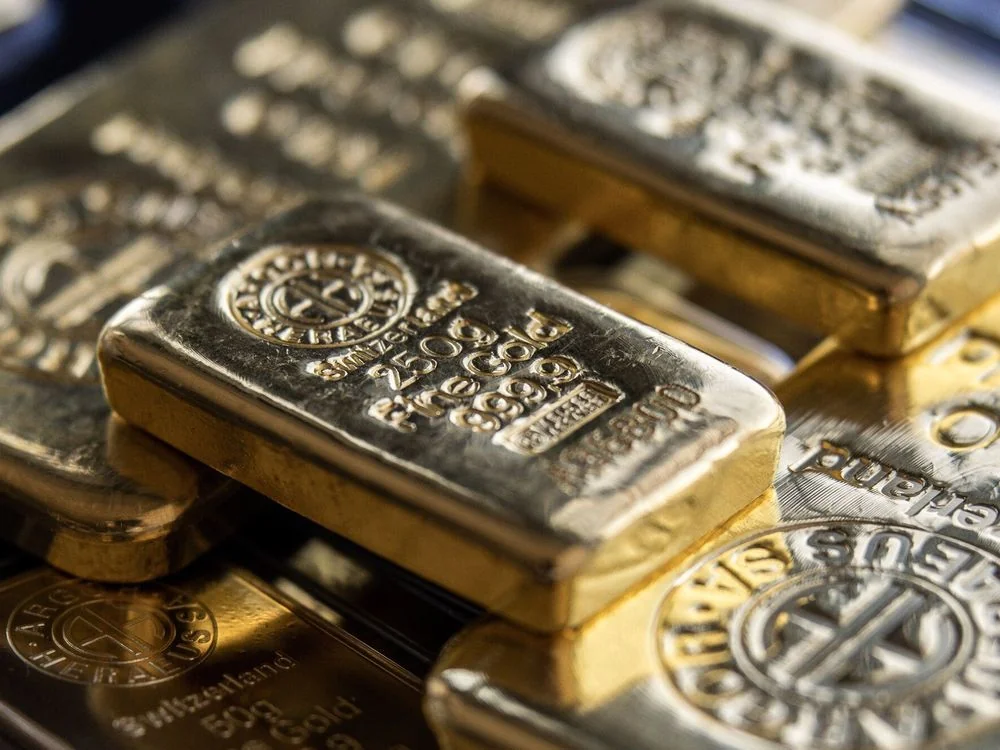
Gold, which had seen its highest recorded price of $4,381.21 per ounce on Monday, experienced a notable decline on Tuesday as the dollar strengthened and investors took profits from sustained gains over the past year. This event highlights the complex interplay between market sentiment, economic factors, and geopolitical tensions that influence gold prices.
According to Tai Wong, an independent metals trader, “Gold dips were being bought as recently as yesterday, but the sharp jump in volatility at the highs over the past week is flashing caution and may encourage at least short-term profit-taking.” This statement underscores how market participants are responding to increased uncertainty and heightened risk aversion.
Market Expectations and Economic Indicators
The upcoming U.S. consumer price index (CPI) data, which will be released on Friday following a delayed release due to the ongoing U.S. shutdown, is expected to show a 3.1% year-on-year increase. This expectation has significant implications for the financial markets, particularly as it relates to inflationary pressures and monetary policy decisions.
Jim Wyckoff, senior analyst at Kitco Metals, commented on the general market sentiment: “Better risk appetite in the general marketplace early this week is bearish for the safe-haven metals.” This suggests that as economic conditions improve or stabilize, investors may shift their portfolios away from traditionally safe assets like gold.
Implications of the Federal Reserve’s Decision and Geopolitical Factors
The anticipated interest rate cut by the Federal Reserve at its upcoming meeting next week is another factor influencing market dynamics. Gold prices tend to benefit in a low-interest rate environment, as it reduces the opportunity cost of holding non-yielding assets like gold. However, the recent decline indicates that other factors such as improving risk appetite are also at play.
Investors are also paying close attention to upcoming diplomatic events, with President Donald Trump set to meet Chinese President Xi Jinping next week in South Korea. While this meeting is likely to have broader geopolitical implications, its direct impact on financial markets remains to be seen but could influence investor sentiment and thus gold prices.
Other Precious Metals and Market Trends
Beyond gold, other precious metals also experienced significant price movements. Silver dropped 5.2% to $49.68 per ounce, with platinum shedding 4.3% to $1,568.25, and palladium losing 5.8% to $1,410. These declines reflect broader market trends and the interconnectivity of precious metals in financial markets.
Analysts suggest that while gold remains relatively firm, silver’s performance could indicate a potential short-term top at around $54.
This analysis points towards continued volatility as investors await further economic data and policy decisions from central banks globally.
In conclusion, the recent movements in gold prices illustrate the dynamic nature of financial markets influenced by a variety of factors including inflation expectations, interest rate policies, geopolitical events, and investor sentiment. As these variables continue to evolve, so too will market dynamics, providing ongoing opportunities for analysis and investment strategy adjustments.