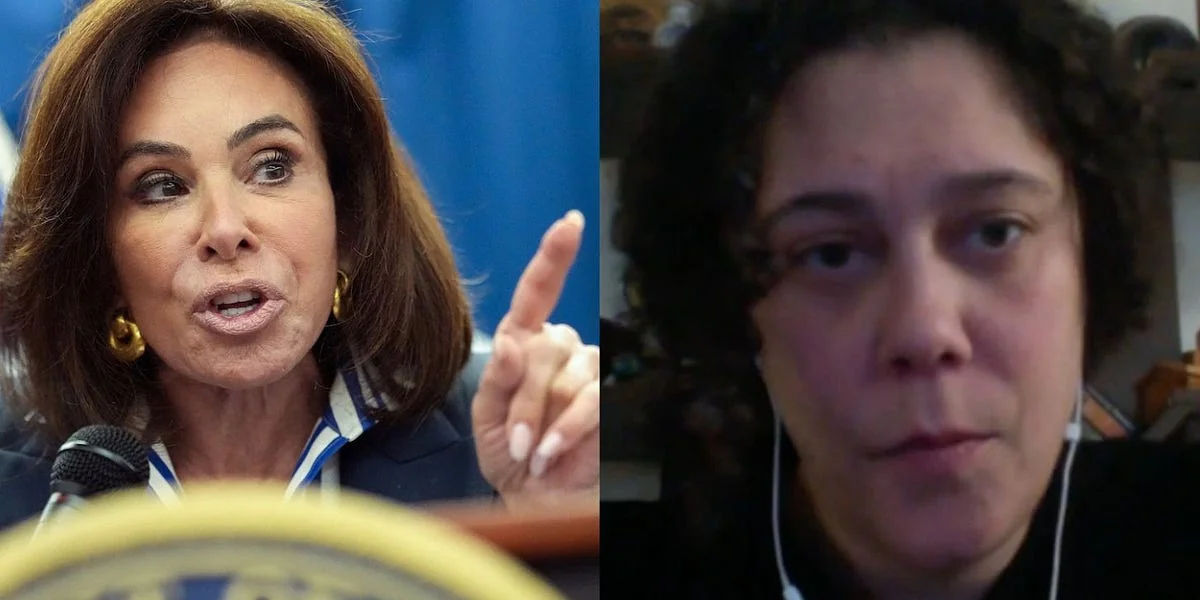
Rittenhouse during the whole Black Lives Matter thing.” This reference to the civilian who fatally shot two people and wounded another in Kenosha, Wisconsin, five years ago highlights the tense atmosphere surrounding law enforcement interactions.
Legal Battles and Surprising Outcomes
The case against Reid spanned three grand juries and a trial jury. Prosecutors attempted to charge her with assaulting, resisting, or impeding law enforcement under federal law. Despite these serious charges, all attempts failed, culminating in her acquittal.
Reid’s defense team obtained incriminating text messages from FBI agent Eugenia Bates, which downplayed the severity of her injuries and described Reid as a “libtard.” These revelations added another layer to the complexity of the case. On the eve of trial, prosecutors discovered surveillance footage that further complicated their position.
Reflections on the Legal Process
Reid expressed deep concern about the government’s handling of such cases: “Our government is really scary when it wants to be.” She highlighted how multiple jury panels ultimately cleared her, emphasizing that she was acquitted because she did nothing wrong. However, Reid sees a broader pattern of wasted resources and intimidation tactics by prosecutors.
“Cut her,” Reid suggested in reference to former Fox pundit Jeanine Pirro, indicating frustration with the government’s approach. “She’s wasting so many resources, so many tax dollars.” This comment reflects a growing sentiment among activists who feel that the current administration is using criminal charges as a form of political repression.
Conclusion
A Call for Change
Sidney Reid’s story stands as a testament to the arbitrary nature of legal proceedings during the Trump era. Her journey from being accused of a serious crime to being exonerated by multiple juries underscores the need for greater transparency and accountability in law enforcement and prosecution practices.
As cases like Reid’s continue to unfold, it is crucial that the public remains vigilant and informed about potential abuses of power. The future implications of these legal battles could shape the landscape of free speech and protest rights in the United States.