Key Highlights
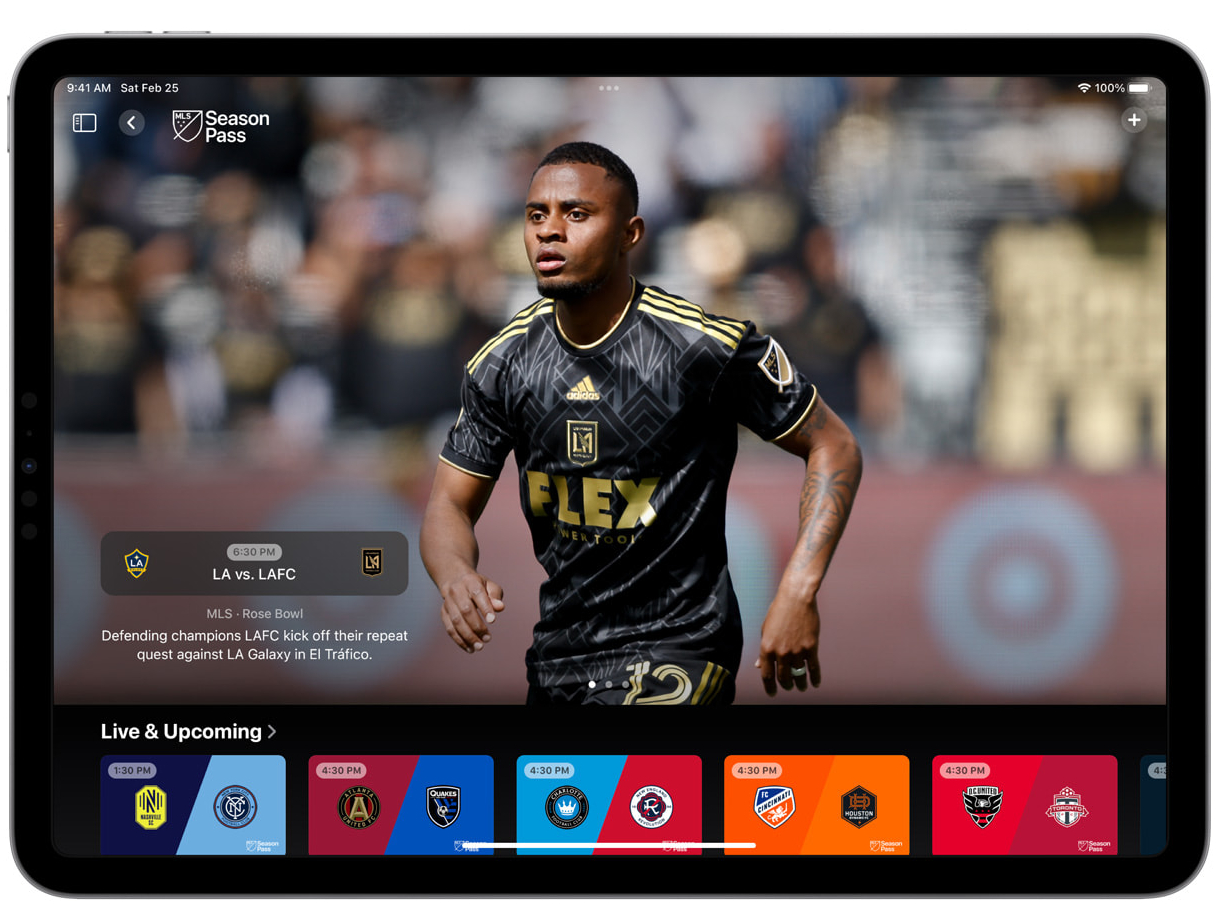
- All Major League Soccer (MLS) playoff matches will be available on Apple TV without the need for an additional MLS Season Pass.
- This move could potentially increase viewership as it removes the extra cost barrier for casual fans.
- Apple is also acquiring exclusive rights to broadcast Formula 1 in the United States, further impacting their streaming strategy.
- The financial implications of these changes and future plans are uncertain, with Apple possibly reconsidering its MLS Season Pass model.
Exclusive MLS Playoff Matches on Apple TV
As of October 19, 2025, fans can watch all Major League Soccer (MLS) playoff matches directly through their Apple TV subscription. This move comes with the exciting announcement that viewers no longer need to purchase an additional MLS Season Pass to access these games.
The decision by Apple represents a significant shift in their streaming strategy, particularly for sports broadcasting. According to Benjamin Mayo of 9to5Mac, this change is part of a broader plan to make live sports more accessible to a wider audience. Currently, the MLS Season Pass costs $99 per season, but removing this barrier could lead to increased viewership and engagement from casual fans.
Impact on Viewership
The removal of the extra paywall for MLS playoff matches is likely to have a positive impact on viewership. As noted by Mayo, many casual soccer fans have been deterred by the need to purchase an additional subscription. By making these games available through the base Apple TV subscription, Apple aims to attract more subscribers and boost engagement during high-profile match days.
Apple’s Strategic Move
The decision to include MLS playoff matches in the base Apple TV subscription aligns with Apple’s broader strategy of expanding its sports offerings. In addition, Apple has recently secured exclusive rights to broadcast Formula 1 racing in the United States, starting from 2026. This deal will provide viewers access to all F1TV Premium content at no additional cost.
According to industry experts, these moves suggest that Apple may be reconsidering its approach to sports broadcasting subscriptions.
For instance, the current model of MLS Season Pass has been criticized for being too expensive relative to other streaming services. By integrating live sports directly into their main service, Apple could potentially reduce costs and increase overall user engagement.
Financial Considerations
The financial implications of these changes are significant. Apple pays approximately $150 million annually for F1 United States broadcast rights, which will now be included in the base subscription. On the other hand, their annual payment to MLS is around $250 million for worldwide rights.
While the exact details remain unclear, it’s likely that some portion of the MLS Season Pass revenue will be reallocated within Apple’s broader streaming strategy.
Industry analysts suggest that Apple may choose to subsidize increased advertising sales on these broadcasts rather than maintaining a separate subscription model. This approach could provide more flexibility and potentially higher overall revenues through targeted marketing strategies.
Future Uncertainty
While the inclusion of MLS playoff matches in the base Apple TV service is an exciting development, it remains to be seen how this will affect the future of the MLS Season Pass. Apple typically announces plans for MLS Season Pass in February or March, giving them time to assess the impact of these changes.
The dynamics of MLS and F1 do differ, with MLS showing a dozen games per week during the regular season compared to 24 race weekends for F1. This suggests that the strategy may need to be tailored to fit each league’s unique schedule and fan base.
As Apple continues to navigate its streaming landscape, fans and industry experts alike will be watching closely to see how these changes unfold. The future of MLS broadcasting on Apple TV is likely to be shaped by a combination of financial considerations, viewer preferences, and strategic positioning within the broader ecosystem.