Key Highlights
- Kevin McCall went viral after discussing his financial struggles on a podcast.
- Chris Brown mocked McCall on Instagram, reigniting their decade-long feud.
- Young Thug offered to pay the alleged $25,000 debt, highlighting industry solidarity.
- The episode sparked debates on artist compensation and recognition in the music industry.
Kevin McCall’s Emotional Podcast Appearance Sends Ripples Across the Music Industry
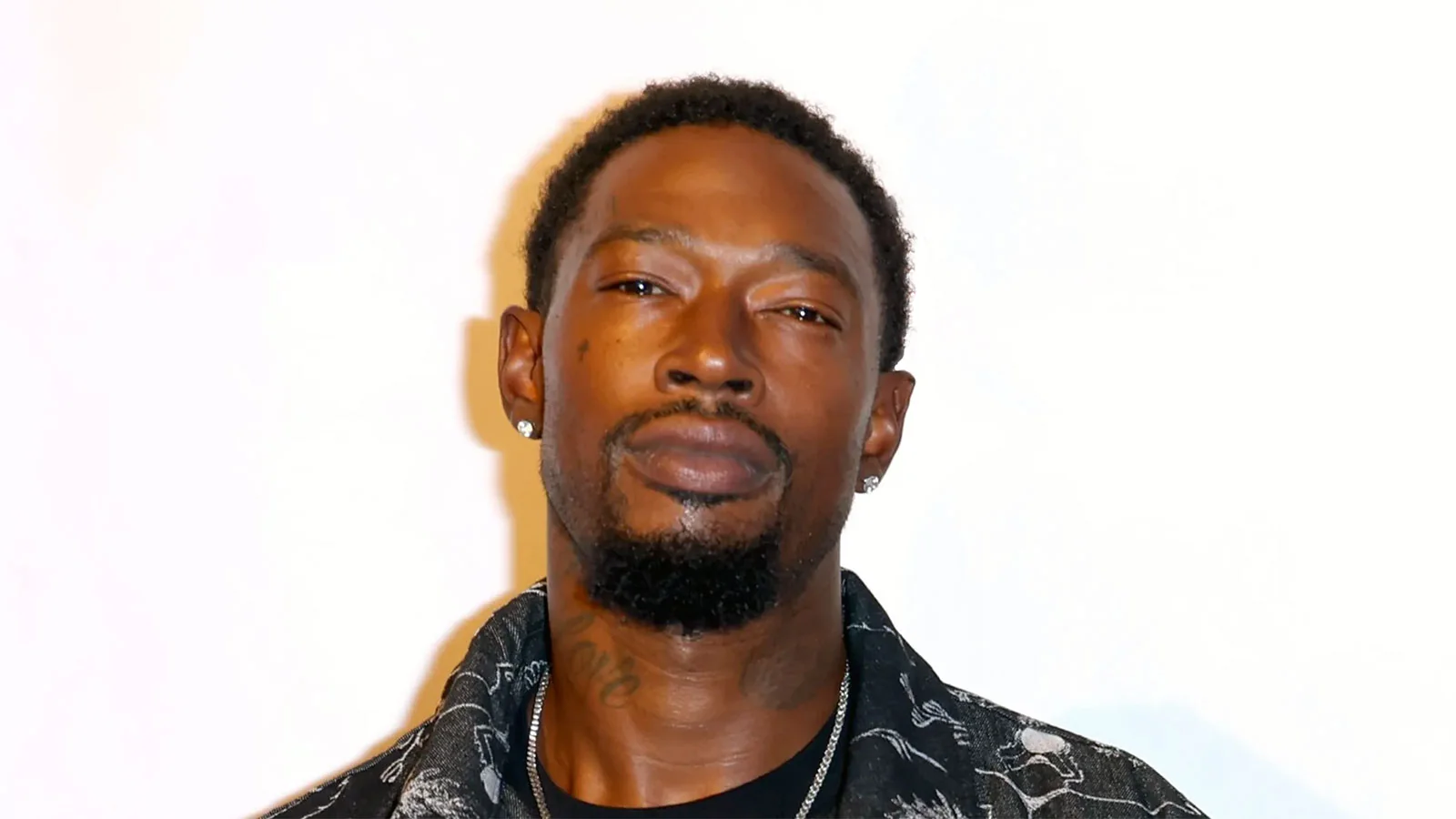
It’s not every day that a songwriter’s private pain becomes public debate, but that’s exactly what happened when Kevin McCall—best known to many as the father of Eva Marcille’s daughter and collaborator on Chris Brown’s early hits—sat down for a candid conversation on the “Back On Figg” podcast. What started as a routine industry interview quickly transformed into a viral flashpoint, as McCall revealed the extent of his financial struggles despite writing some of Chris Brown’s most successful tracks, including “Deuces” and “Strip.”
Chris Brown’s Response: Mockery and Old Wounds
Social media amplified the story almost instantly. Chris Brown, who has long been at odds with McCall, fired back with a pointed Instagram Story. “Remember this: you can’t walk across a burnt bridge. And you know what’s funnier than a troll?
A BROKE ONE,” Brown wrote, stopping short of naming McCall but leaving little doubt about his target. The timing was unmistakable, and fans quickly connected the dots.
Their feud isn’t new. The two artists collaborated successfully in the early 2010s, but by 2014, their relationship had soured.
McCall accused Brown of withholding royalties and repeatedly pleaded for a meeting to resolve the dispute. Instead of reconciliation, Brown responded with public mockery, calling McCall a “bottom feeder” and threatening violence in resurfaced online posts. Their business disagreement became a personal battleground, with both sides airing grievances in the public eye.
Young Thug Steps Up: A Gesture of Solidarity
Amid the swirl of reactions, Atlanta rapper Young Thug entered the conversation, offering McCall a lifeline. “Kevin McCall hit me my n####, I’ll give u the 25k u need, and i no CB would give it to u also bro he a real one. N##### is busy sometimes brada,” Young Thug posted on X (formerly Twitter). The offer wasn’t just financial—it was a public sign of support, underscoring the importance of solidarity within the music community.
Young Thug’s intervention shone a spotlight on broader issues facing artists, especially those working behind the scenes.
The gesture also drew praise and criticism, with some seeing it as a necessary correction and others questioning the underlying industry structures. It raises questions about how creative contributions are valued and compensated, and whether enough is done to support artists who struggle despite their success.
The Human Toll: Family, Mental Health, and Public Scrutiny
Beneath the headlines, McCall’s story is one of personal loss and resilience. During the podcast, he spoke openly about his estrangement from his children—including his daughter with Eva Marcille, a well-known model and television personality. The conversation veered into dark territory as McCall admitted to suicidal thoughts, underscoring the mental health challenges faced by many in the entertainment industry.
His plea wasn’t just for money; it was a cry for recognition, stability, and connection.
Marcille herself has built a career in the spotlight, winning “America’s Next Top Model” and appearing on “The Real Housewives of Atlanta.” Her relationship with McCall ended years ago, marked by public disputes and custody battles. While Marcille has largely stayed silent on McCall’s latest revelations, the episode reignited public interest in their shared history and the complexities of co-parenting amid fame and personal struggles.
Industry Context: Royalties, Recognition, and Artist Rights
The viral moment is more than just a personal drama—it’s a microcosm of larger industry issues. Songwriters and producers frequently find themselves fighting for fair compensation, recognition, and respect. Despite contributing to chart-topping hits, many remain behind the scenes, their financial security precarious and their emotional well-being overlooked.
As Reuters has reported in similar cases, disputes over royalties and credits are common, often leading to years of legal wrangling and strained relationships.
The music industry’s complex payment structures can leave creative contributors vulnerable, especially when business partnerships break down. McCall’s case highlights the need for greater transparency, accountability, and support for those whose work fuels the industry’s success.
The episode is a testament to the enduring power of stories that expose the human side of fame—stories that challenge audiences to reconsider what fairness means in a world where success is often unevenly distributed. In the end, it’s a story that asks: when the spotlight fades, who truly stands by the artists who built the stage?