Key Highlights
- The historical context of German military buildup and its potential future implications.
- Fears from France and Poland about a rising German military power.
- The risk of European division if Germany becomes too dominant.
- Different perspectives on German rearmament, including the role of far-right parties like AfD.
Germany’s Military Renaissance: A Complex Reality
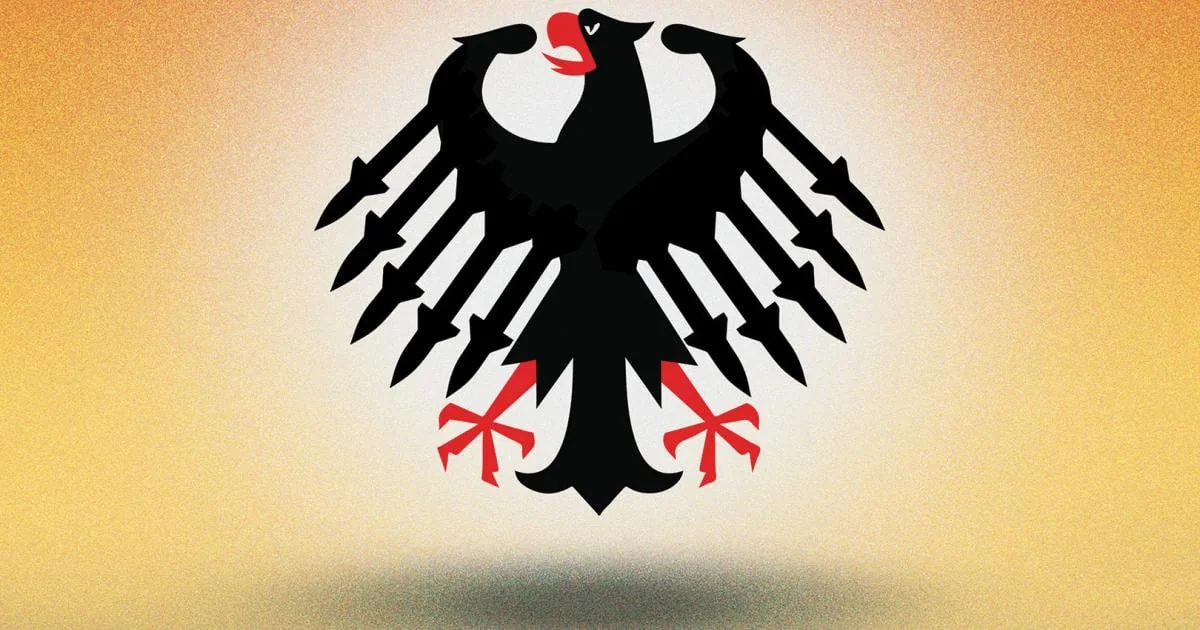
In 1921, French military leader Ferdinand Foch warned that Germany could rebuild its military if given a chance. His prediction came true in the late 1930s, leading to World War II. Now, over a century later, Germany is again rebuilding its armed forces under the Zeitenwende promise.
According to NATO Secretary-General Mark Rutte, Germany’s military must “spend more and produce more.” In 2025, it surpassed all other European countries in defense spending, with an annual budget of $189 billion by 2029. This is a threefold increase from its 2022 expenditure.
German Power Dynamics: A Concern for Neighbors
Fears about German military power are not new. Polish Foreign Minister Radoslaw Sikorski warned in 2011 that “I fear German power less than German inaction.” His sentiment reflects the deep-seated mistrust among European states regarding a resurgence of German militarism.
France, too, is uneasy. French President Emmanuel Macron has stated that if Germany becomes too powerful, it could lead to divisions within Europe. This scenario is particularly concerning given the rise of far-right parties like the Alternative for Germany (AfD), which are critical of both the EU and NATO.
The Risks of Unchecked German Power
Should Berlin continue its military buildup without proper European integration, it could foster mistrust among other nations. France, Italy, Sweden, and others might form alliances to counterbalance Germany’s dominance. This fragmentation could weaken Europe’s collective defense efforts against Russia.
The EU’s economic organization has long been seen as a way to integrate countries’ strategic interests. However, the United States’ reduced attention in Europe could revive traditional security dilemmas, particularly regarding Germany’s size and position on the continent.
European Integration vs. National Interests
AfD’s rise poses an additional risk. The party is critical of both the EU and NATO and has made revanchist claims about neighboring countries’ territories. An AfD-controlled Germany could use its power to bully or coerce other states, leading to tensions and conflict.
German policymakers argue that they are pursuing partnerships with other European governments to ensure that their defense spending benefits the entire neighborhood. However, France remains skeptical of this approach and seeks to reassert itself as Europe’s leading military power.
A Divided Europe: A Nightmarish Outcome
The worst-case scenario is a divided Europe where mistrust and competition replace cooperation. Such an outcome would leave the continent vulnerable and potentially at odds with itself. This is especially likely if Germany ends up being governed by the far-right AfD.
Germany’s rearmament is necessary to defend against Russia, but it must be managed carefully.
Berlin needs to recognize the risks that come with its strengths and work towards embedding its defensive might in more deeply integrated European military structures.
The key will be for Germany’s neighbors to make clear what kind of defense integration they would like to see. Otherwise, German rearmament could indeed yield a Europe that is more divided, mistrustful, and weaker—exactly the opposite of what Berlin now hopes to achieve.