Key Highlights
- Sam Altman, CEO of OpenAI, canceled his reservation for a Tesla Roadster.
- The cancellation came after a 7.5-year wait since the $50,000 deposit was made in July 2018.
- Altman expressed excitement for the car but cited long wait times as the reason for cancelation.
- The cancellation highlights the ongoing rivalry between Elon Musk and Sam Altman.
Background on Tesla Roadster and OpenAI Rivalry
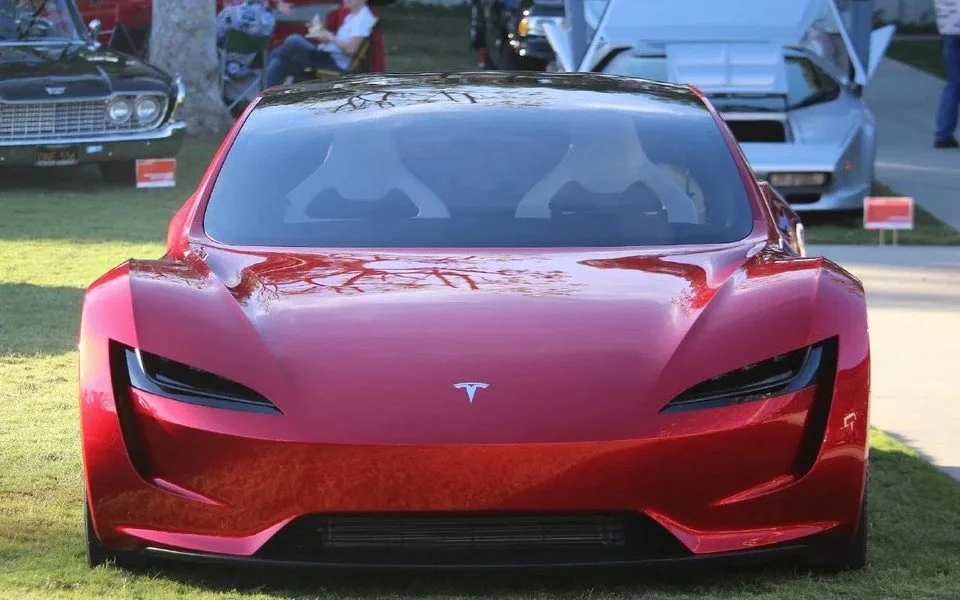
For nearly eight years, Tesla has been developing its high-profile supercar, the Tesla Roadster. This vehicle represents a significant milestone in electric mobility and showcases Tesla’s capabilities beyond its popular Model S, X, 3, and Y. However, behind this technological advancement is a complex history of rivalry between Elon Musk, CEO of Tesla, and Sam Altman, CEO of OpenAI.
Their relationship has seen numerous legal battles over intellectual property and business strategies.
In recent years, the tension escalated when OpenAI decided to convert into a for-profit entity, which was met with harsh criticism from Musk. This decision led to Musk’s offer of over $97 billion to buy out OpenAI, an offer that was ultimately rejected.
Sam Altman’s Reservation and Cancellation
Sam Altman, who placed his Tesla Roadster reservation back in July 2018 with a substantial deposit of $50,000, has now chosen to cancel the order. In an email sent to [email protected], Altman wrote: “Hi, I’d like to cancel my reservation. Could you please refund me the $50k?” The response from Tesla was unexpected; instead of receiving a message, Altman received a bounce-back email from Google stating that the email could not be delivered because it wasn’t active.
Despite the technical issue with sending an email, Altman provided his reason for cancellation: “I really was excited for the car!
And I understand delays. But 7.5 years has felt like a long time to wait.” This statement underscores the challenges Tesla faces in balancing innovation and customer satisfaction.
Implications of the Cancellation
The cancellation of Altman’s reservation comes at a crucial juncture for both companies. For Tesla, it highlights the potential pitfalls of long-term product development cycles and the need to manage customer expectations effectively. For OpenAI, this event serves as an indirect reminder that even their biggest competitors are not immune to changes in priorities.
The ongoing saga between Tesla and OpenAI continues to shape the landscape of technology and innovation. As both companies navigate through their respective challenges, the impact of such long-term projects on customer relations remains a critical factor for success in the competitive tech industry.