Key Highlights
- The scene where Lady Margot Fenring applies the Gom Jabbar test to Feyd-Rautha Harkonnen is a pivotal moment in Dune: Part Two.
- This scene serves multiple purposes, including revealing the Bene Gesserit’s complex motivations and plans.
- Denis Villeneuve enhances the original Dune novel by bringing this scene to life with visual impact and deeper narrative implications.
The Gom Jabbar Test: A Pivotal Scene in Dune: Part Two
Dune: Part Two introduces a new level of depth to its characters, especially through the interaction between Lady Margot Fenring and Feyd-Rautha Harkonnen. This sequence is both visually striking and narratively significant.
Visual Impact and Narrative Depth
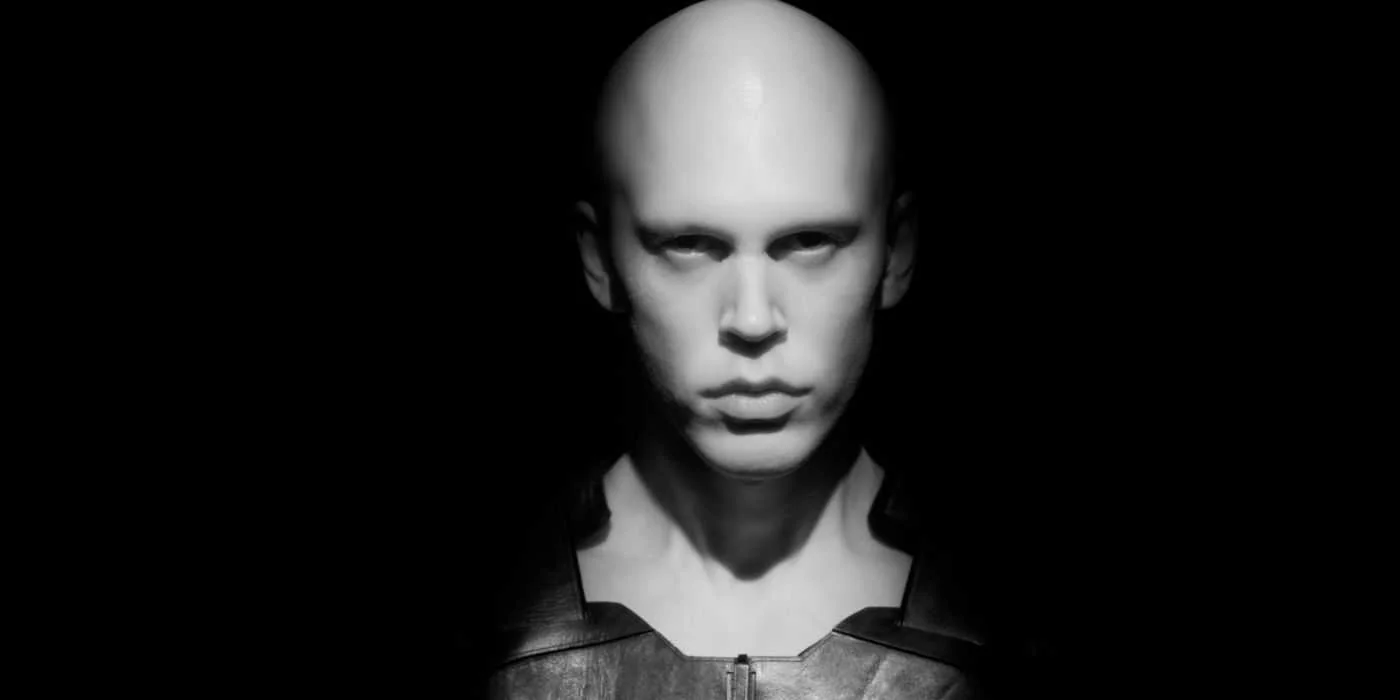
The scene unfolds on Giedi Prime, setting a stark contrast with its black sun painting everything in chalky black and milky white tones. Feyd-Rautha’s psychopathy is highlighted through his birthday celebrations, which are later juxtaposed against the tense atmosphere of his chambers.
Control and Manipulation
Lady Margot Fenring’s control over Feyd-Rautha is evident from the moment she commands him to kneel. Her success in this test is further emphasized when Feyd-Rautha passes, allowing her to secure his Harkonnen bloodline for a potential future Kwisatz Haderach.
The Bene Gesserit’s Role
The Bene Gesserit play an even larger role in Dune: Part Two, with Reverend Mother Gaius Helen Mohiam actively involved in key events. Lady Fenring’s mission to secure Feyd-Rautha’s genetic line is crucial for their eugenics program and maintaining their power.
Original vs. Adaptation
Denis Villeneuve’s adaptation of Dune: Part Two adds new layers to the original story, particularly through scenes like this one. While the books mention Lady Margot’s involvement briefly, the film provides a more detailed and engaging narrative.
This scene is not just about character development; it’s also a testament to Villeneuve’s vision in bringing Herbert’s intricate universe to life on screen with both fidelity and innovation.