Key Highlights
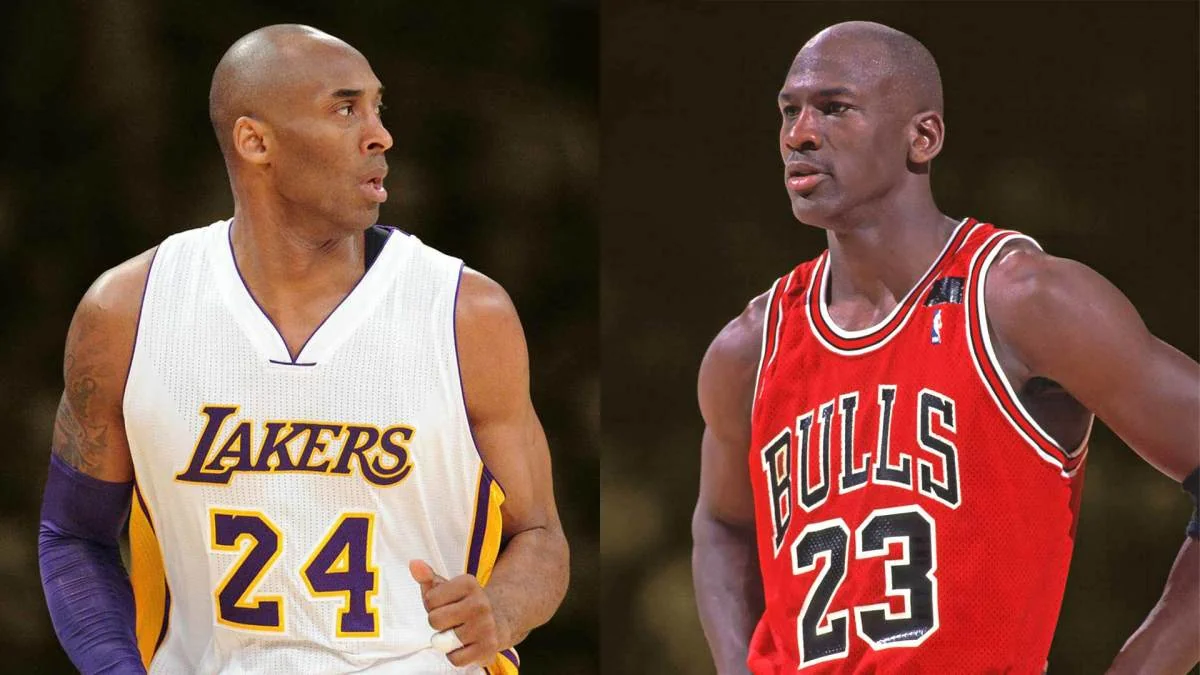
- Doug Collins highlighted how Kobe Bryant’s basketball IQ and strategic gameplay mirrored that of Michael Jordan.
- Bryant continued to play at a high level well into his 17th NBA season, averaging over 38.6 minutes per game despite age and injuries.
- Both players prioritized playing every game in the regular season as a badge of courage, regardless of their scoring titles or accolades.
- Bryant learned from Jordan how to conserve energy during back-to-back games through altered gameplay strategies.
Doug Collins on Kobe Bryant’s Basketball IQ: A Tale of Resilience and Strategy
In a fascinating insight into the careers of two basketball legends, Doug Collins, head coach of the Philadelphia 76ers in 2013, spoke about how Kobe Bryant shared a similar approach to the game with Michael Jordan. This perspective comes from a time when both players were at different stages of their illustrious careers but exhibited remarkable consistency and determination.
Bryant’s Dedication: The Tail End of His Career
Even as he neared the end of his 17th NBA season, Kobe Bryant was still committed to putting in a full effort. Despite losing some athleticism due to age and injuries, his basketball IQ remained intact. According to Collins, this intelligence allowed Bryant to tweak his game intentionally, ensuring that every move had a clear purpose.
“As guys get older, for the guys who are really the savants, the game comes easier,” Collins observed. “They don’t waste energy. When you’re younger sometimes, you chase your tail; and you get older and the game slows down.” This wisdom was evident in Bryant’s strategic gameplay, which showed a level of calculated precision that kept him competitive.
Comparing Kobe to Jordan
Bryant’s approach reminded Collins of his old player, Michael Jordan. Both players prioritized playing every game in the regular season as a symbol of their commitment and courage. “He and Michael both,” Collins said, “a badge of courage for them would be playing 82 games, not winning the NBA scoring title.” This philosophy underscored their dedication to their teams and the sport.
Collins coached Jordan in his early years with the Chicago Bulls and later with the Washington Wizards. He noted that both players had different mindsets but shared a common thread of professionalism and resilience. “When you play all 82 games, all that other stuff’s going to happen,” he added, emphasizing how playing every game contributed to their overall success.
Conserving Energy: Bryant’s Tricks from Jordan
Bryant learned valuable lessons on energy conservation directly from his idol, Michael Jordan. In an interview with ESPN’s First Take, Bryant shared insights into how he adapted his gameplay during back-to-back games or when playing in the fourth game of a five-night stint. “One of the things I learned from MJ,” Bryant explained, “when it comes to doing second nights of back-to-backs or when it’s the fourth game in five nights, you can alter your game a little bit.” He added that he might play closer to the basket and pass more off the ball during such games.
This adaptability allowed Bryant to maintain his efficiency while conserving energy. It was a crucial strategy that contributed to his longevity and continued performance at high levels throughout his career. “He knows where he wants the ball, how he wants to get it, how he’s going to get it and what he’s going to do to you once he gets it,” Collins elaborated, highlighting Bryant’s tactical awareness and strategic approach.
This analysis of Kobe Bryant’s career through the lens of Doug Collins provides a fascinating look into the minds of two basketball greats. Their shared dedication and strategic gameplay highlight the importance of basketball IQ and adaptability in maintaining high levels of performance over long careers.