Key Highlights
- Día de los Muertos is observed from November 1 to 2.
- The holiday honors loved ones who have passed away with altars and vibrant traditions rooted in Indigenous culture.
- It is a joyful, spiritual celebration of life, memory, and healing.
Día de los Muertos: A Time to Remember and Celebrate Loved Ones
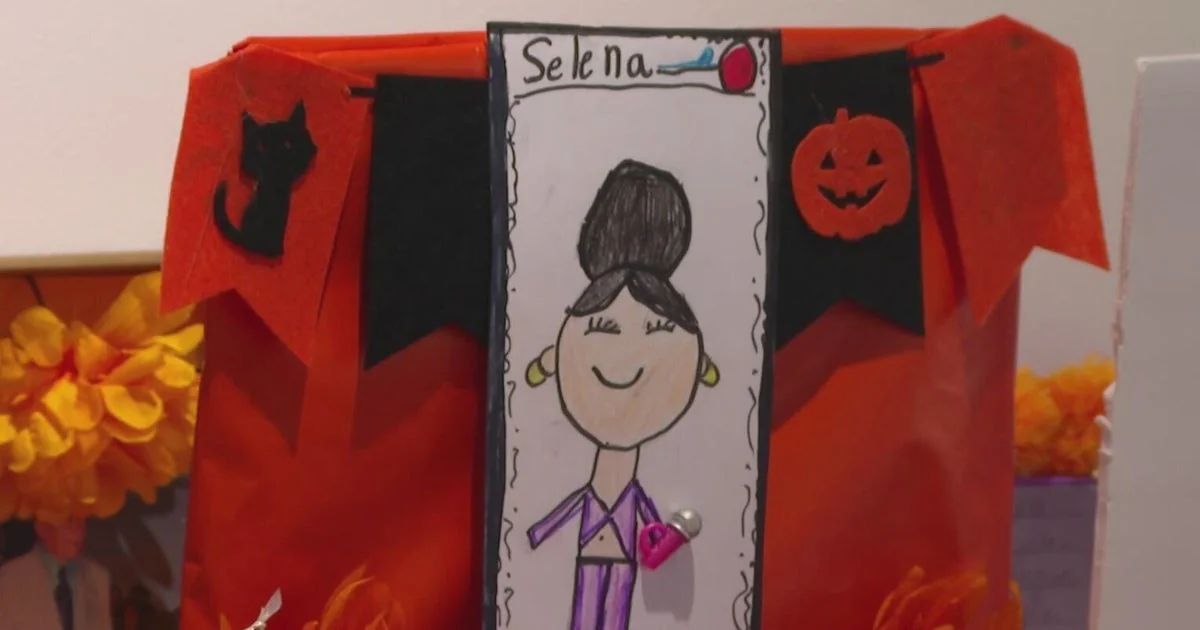
Día de los Muertos, celebrated from November 1 to 2 each year, stands as a vibrant and significant tradition in Mexican culture. This holiday pays homage to the deceased by creating altars (ofrendas) adorned with flowers, candles, photographs, and favorite possessions of the departed loved ones.
Origins and Traditions
The roots of Día de los Muertos trace back to ancient Mesoamerican civilizations. The Aztecs, Mayans, and other indigenous groups believed in an afterlife where the spirits of the dead could return for a brief visit. Over time, Spanish colonization combined this with All Saints’ Day and All Souls’ Day, giving rise to the modern celebration.
During Día de los Muertos, families gather to remember their ancestors by decorating gravesites and homes with marigold flowers (cempasúchil), which are believed to guide spirits back home. The ofrendas often include traditional foods like pan de muerto (bread of the dead) and calavera (sugar skulls), as well as favorite dishes of the deceased.
Symbolism and Spiritual Significance
The holiday is characterized by its joyous, spiritual nature. It is a time for families to come together, share stories about their loved ones who have passed, and engage in activities that bring them closer. Día de los Muertos is not just a somber commemoration but also a celebration of the continuity of life and the importance of maintaining connections with those who have gone before.
Indigenous traditions play a crucial role in shaping the festivities.
For example, the use of sugar skulls (calaveras de azúcar) as part of the offerings is widespread. These intricately decorated candies are often personalized with the names of departed loved ones and serve both as tributes and symbols of remembrance.
Modern Celebrations
In recent years, Día de los Muertos has gained international recognition, with many communities outside Mexico embracing the holiday. This broader appreciation can be seen through cultural events, educational programs, and even modern interpretations of traditional practices. However, it is important to respect and honor the cultural origins and significance behind this celebration.
For those interested in participating or learning more about Día de los Muertos, various resources are available.
Museums, community centers, and cultural organizations often host events that provide insights into the history and traditions of the holiday. These initiatives help ensure that the spirit of Día de los Muertos continues to thrive and is celebrated with respect and authenticity.
Día de los Muertos serves as a powerful reminder of the enduring bonds between past and present, connecting us to our heritage while fostering a sense of community and shared memory. As this tradition evolves, it remains an essential part of Mexican culture, offering a unique window into its rich history and deep-rooted spiritual beliefs.