Key Highlights
- The Department of Homeland Security (DHS) launched a social media campaign to recruit new immigration agents.
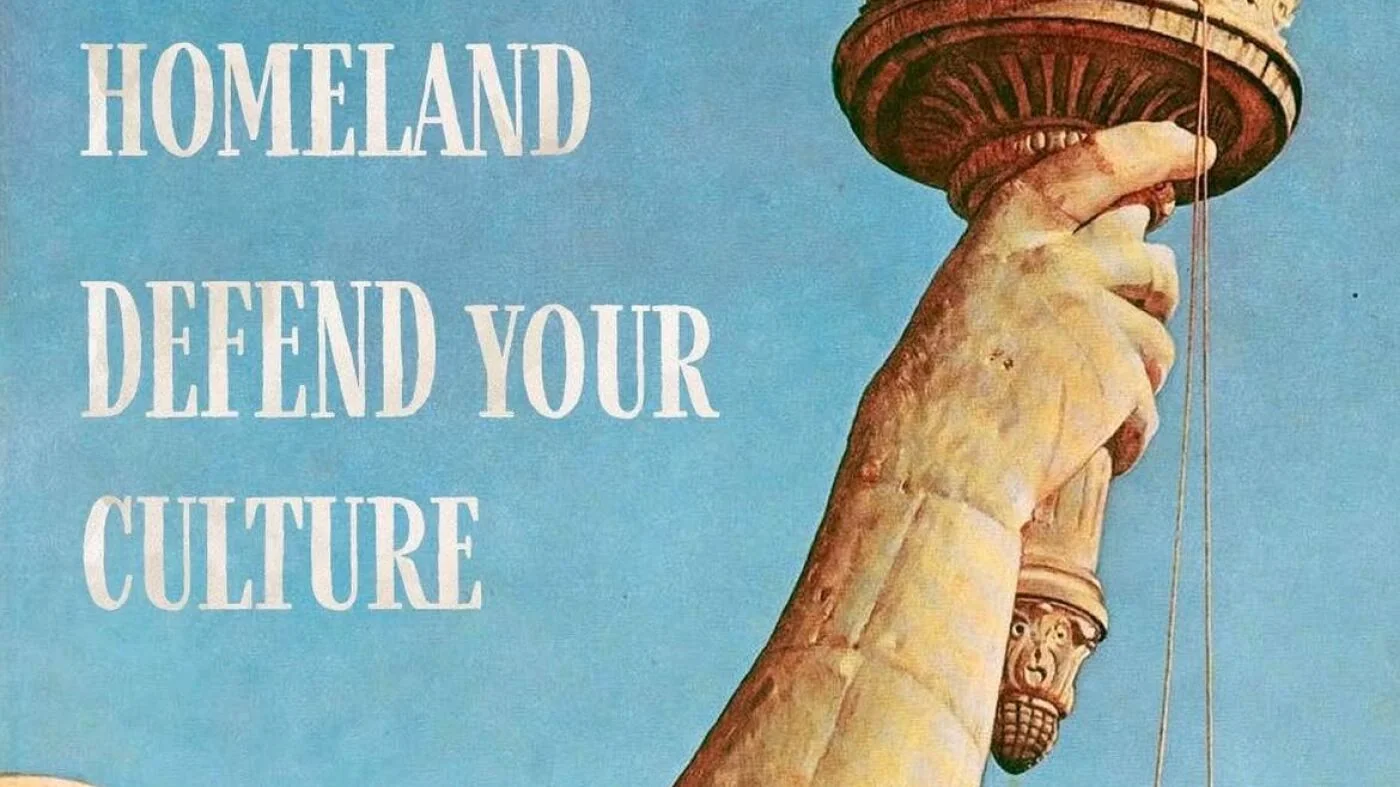
- The campaign includes vintage-themed posters and videos that some see as promoting a White, Christian nationalist agenda.
- Latinos are divided on the issue; while some support the crackdown, many feel targeted by the rhetoric and imagery.
DHS Launches Controversial Recruitment Campaign
The Department of Homeland Security (DHS) has launched a sweeping social media campaign aimed at recruiting new immigration agents. The initiative, which features vintage-themed posters and videos, has sparked controversy among some who see it as promoting a White, Christian nationalist agenda.
Vintage-Themed Campaign
DHS’s Instagram account, with nearly half a million followers, showcases a mix of pop culture memes, high-quality action film-style videos of ICE raids, and paintings reminiscent of the 19th and early 20th centuries. These vintage images often feature Uncle Sam calling on Americans to join ICE, much like he would have in World War II posters.
Concerns Among Latinos
The campaign has particularly alarmed some Latino individuals who feel targeted by its rhetoric and imagery. Julio Anta, a graphic novelist of Cuban and Colombian descent, describes the vintage quality as evoking “the good old days of America, back when America was great.” He notes that the social media artwork almost entirely features white people, representing a time when society was perceived to be great for them.
Anta’s discomfort is palpable. “When I look at these images, I see predominantly white people in it,” he states. “This is all about a time when society was great for white people, and trying to bring it back to that time again.” Anta’s experience as a Latino man carries the weight of his background, highlighting the tension between historical narratives and present realities.
Diverse Reactions Among Latinos
The reactions among Latinos are varied. Peter Gonzalez, a 66-year-old retired Coast Guardsman living in Tallahassee, Florida, supports the ongoing immigration enforcement campaign. However, he also expresses discomfort with the rhetoric, stating, “Protect your homeland, defend your culture.” His response reveals both support for the policy and unease with how it is being promoted.
Gonzalez, who identifies as Hispanic and white, acknowledges facing anti-Latino racism in his youth but maintains that illegal immigration needs to be controlled.
He emphasizes, “I have no problem with immigrants coming into this country. We are all immigrants. But there’s a process, there’s procedures, there’s background checks. All that stuff needs to be done.” His perspective illustrates the complex interplay between personal experiences and broader political narratives.
Historical Context
The use of vintage imagery in the DHS campaign evokes a long history of anti-immigrant rhetoric in America. In the late 1800s and early 1900s, editorial cartoons regularly depicted Irish, Italian, Chinese, and Jewish immigrants as threats to American society. One infamous example from the 19th century features Uncle Sam hovering angrily over a melting pot, with the caption “we can’t digest the scum.” Another illustration from 1911 portrays an immigrant shining shoes, using racial slurs for Italians and referencing their garlic consumption.
These historical references underscore the current campaign’s potential to trigger negative associations among minority communities. The Southern Poverty Law Center’s Hatewatch Project has accused DHS of promoting a White, Christian nationalist agenda through its social media blitz.
Official Response
NPR reached out multiple times to DHS Assistant Secretary for Public Affairs Tricia McLaughlin with detailed questions about their social media campaign. However, she did not respond to the inquiries.
The controversy surrounding the DHS recruitment ads highlights the broader tensions within American society regarding immigration and cultural identity. As the debate continues, it remains to be seen how these campaigns will shape public opinion and influence ongoing policy discussions.