Key Highlights
- Air quality in Delhi has worsened significantly, with the air quality index (AQI) reaching levels more than 30 times the World Health Organization’s recommended limit.
- The Indian government and authorities have implemented measures such as banning online classes and construction to mitigate pollution.
- Health concerns include respiratory issues among children and elderly people, with over 200,000 cases of acute respiratory illnesses reported in six state-run hospitals between 2022 and 2024.
- The Commission for Air Quality Management (CAQM) has invoked the highest level of its graded response action plan to address pollution.
Delhi’s Severe Air Pollution: An Ongoing Crisis
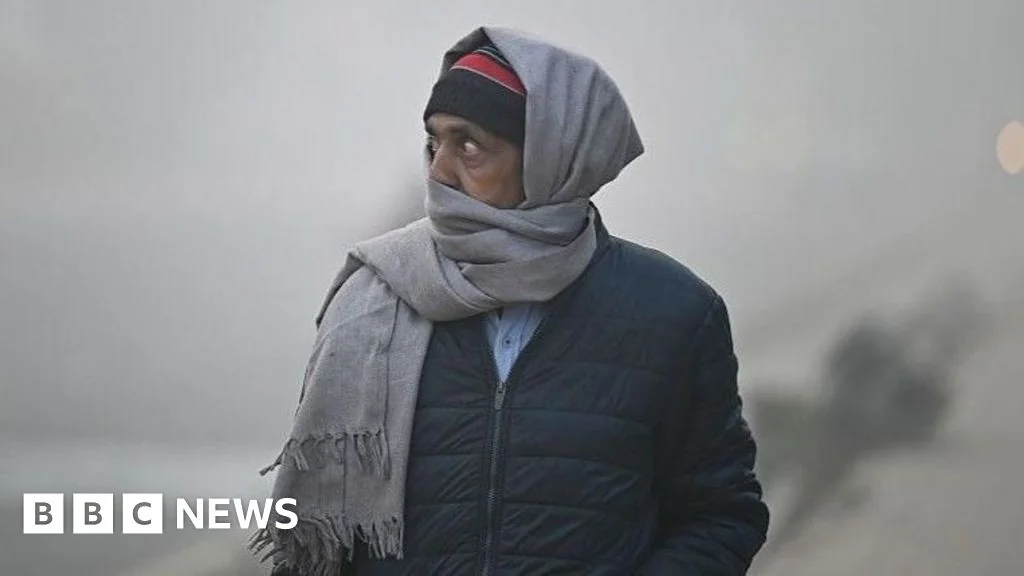
In a concerning turn of events, Delhi is once again grappling with severe air pollution, as evidenced by an air quality index (AQI) reading that exceeded 471 on Monday morning. This figure is more than 30 times higher than the threshold recommended by the World Health Organization (WHO), indicating extremely hazardous levels of PM2.5 and other pollutants.
Health Risks and Impact
The implications for public health are dire, especially for vulnerable populations such as children and elderly individuals. According to data from six state-run hospitals in Delhi between 2022 and 2024, over 200,000 cases of acute respiratory illnesses were recorded due to prolonged exposure to this toxic air.
Health experts emphasize the importance of taking immediate precautions. Authorities have advised residents, particularly those with pre-existing health conditions, to stay indoors as much as possible and wear appropriate masks when venturing outside. The city’s top court also issued a circular urging lawyers and litigants to appear virtually for hearings in an effort to reduce unnecessary travel.
Government Response and Mitigation Measures
In response to the deteriorating air quality, government agencies have rolled out several measures to curb pollution. On Monday morning, schools across Delhi and its surrounding areas shifted their classes online as a precautionary measure. Construction activities in the city have also been temporarily halted.
The Commission for Air Quality Management (CAQM) has escalated its graded response action plan (GRAP), moving from level III to IV.
This higher level of intervention includes stricter controls on older diesel trucks, which are now barred from entering Delhi. The CAQM attributes the recent spike in pollution levels to a combination of factors including high moisture content and unfavorable wind patterns that hinder the dispersion of pollutants.
Expert Analysis and Future Outlook
Dr. Priya Bhargava, an environmental health specialist at the Indian Institute of Technology (IIT), noted that Delhi’s air pollution is a recurring issue, particularly during winter months when temperatures drop and wind speeds are low. “The burning of crop stubble in neighboring states also contributes significantly to the problem,” Dr. Bhargava stated.
Looking ahead, experts warn that sustained efforts will be required to address this pressing public health concern.
Solutions may include stricter regulations on industrial emissions, enhanced public transportation systems, and continued monitoring through government-backed apps like Safar, which track air quality in real-time.
The situation in Delhi serves as a stark reminder of the global challenge posed by air pollution, underscoring the need for comprehensive strategies at both local and national levels to safeguard public health. As the city continues to fight against toxic haze, the focus remains on mitigating immediate risks while working towards long-term environmental sustainability.