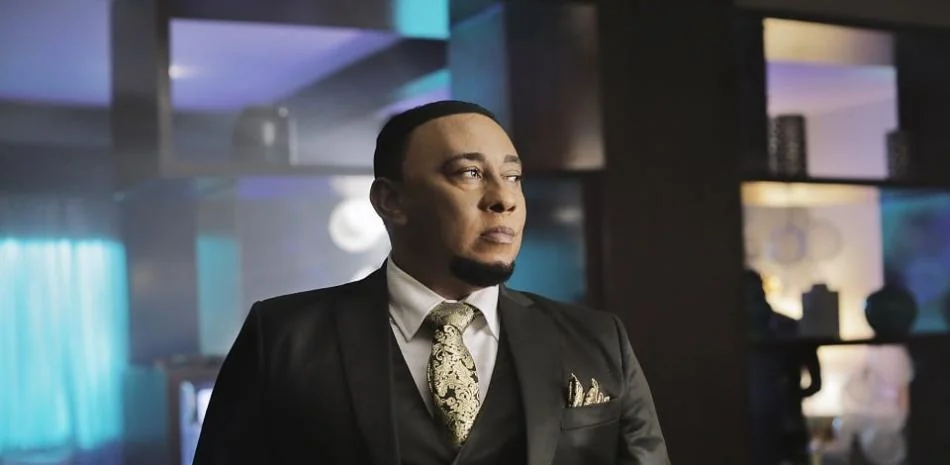
Key Highlights
- Anthony Santos acknowledges paternity of a 1-year-old child.
- The mother, Carmen Josefina Taveras, is described as “despechada” (upset).
- Legal proceedings are ongoing to finalize the recognition and custody issues.
- Santos cannot provide financial support until legal steps are completed.
Anthony Santos: Legal Battle Over Paternity and Custody
Anthony Santos, a well-known bachatero in the Dominican Republic, finds himself entangled in a legal dispute over his paternity of a 1-year-old child. The case has garnered significant attention, with both parties facing off in court proceedings.
The Legal Standoff
According to Carlos Balcálcer, Santos’s attorney, the recognition of paternity was confirmed through an ADN test. However, Santos cannot provide financial support for his child until a valid legal ruling is issued and the child’s name officially includes Santos as the father.
The mother, Carmen Josefina Taveras, has been described by the defense team as “despechada,” which in this context suggests she remains upset or bitter. Taveras initiated the legal process with the aim of having Santos recognize his paternity and contribute financially towards his child’s upbringing.
Complexities of the Legal Process
Balcálcer highlighted that until a valid court order is in place, no financial support can be provided by Santos. The attorney noted that legal formalities need to be completed before any discussions on child maintenance can begin. Once Taveras obtains the necessary documents and inscribes them officially into the child’s records, they will then be invited to negotiate an economic agreement.
The defense team emphasized that if Taveras had been more cooperative earlier in the process, a financial arrangement could have been established sooner. However, she has not yet received any support from Santos due to the unresolved legal status.
Interests of the Child
The legal proceedings will ultimately aim to protect the child’s best interests. Balcálcer stated that the principles guiding these matters include safeguarding the well-being and development of the child. These principles are enshrined as a fundamental right, underscoring the importance of the ongoing legal battle.
Despite the complexities and delays, Santos has shown willingness to cooperate with the judicial process, even proposing to cover the costs of ADN testing at Taveras’s chosen laboratory to expedite the resolution. However, these efforts have not yet borne fruit.
The case remains in an ongoing phase, with both parties awaiting a final legal decision that will determine their future course of action regarding the child’s care and financial support.