Key Highlights
- Daniel Jones’ performance this season is part of a trend of second-act QB success in the NFL.
- Quarterbacks like Mayfield, Darnold, and Mac Jones have shown similar journeys from high draft picks to successful second stints.
- Teams often seek bridge options through budget-friendly contracts if they are unable to develop their own quarterbacks.
- The NFL’s strategy of using bounce-back careers can offer teams significant value but is not always successful.
Trending: The Second-Act QB Phenomenon in the NFL
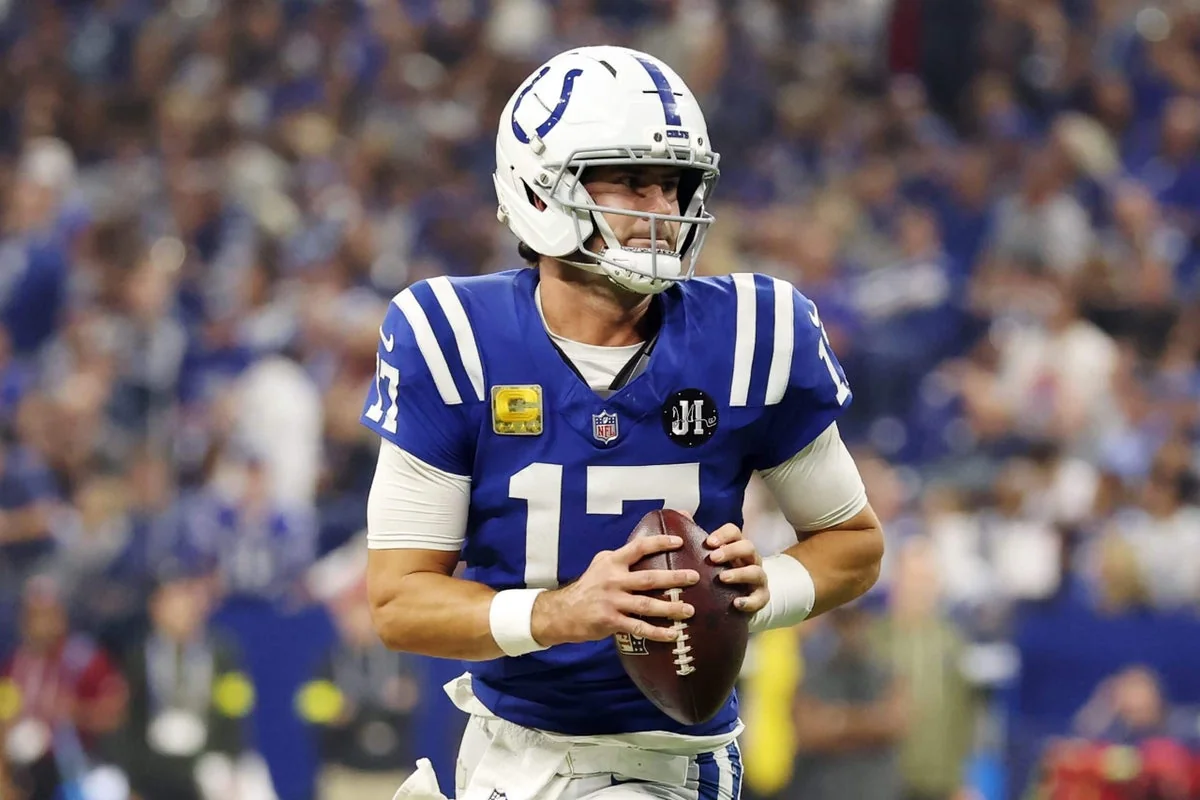
Quarterback Daniel Jones has emerged as a surprising success story this season, piloting the Indianapolis Colts to an impressive 7-1 record. His journey from being released by the New York Giants midway through 2024 to signing with the Colts on a one-year deal is just the latest example of a trend in the NFL known as the “second-act quarterback phenomenon.”
According to Jeff Howe, an NFL National Insider for The Athletic, this trend has seen other notable quarterbacks like Baker Mayfield, Sam Darnold, Geno Smith, and Mac Jones experience similar journeys. Each was initially drafted highly but faced challenges early in their careers before finding success with a new team.
High Draft Picks Struggling to Succeed
The story of these second-act quarterbacks is often one of initial disappointment followed by redemption. Mayfield, selected first overall by the Cleveland Browns in 2018, struggled during his tenure before finding success with the Los Angeles Rams. Darnold, drafted third overall by the New York Jets in 2018, was eventually traded to the Carolina Panthers where he had a successful season.
Geno Smith, selected early in the second round in 2013, faced similar struggles with the New England Patriots before finding his footing with the Seattle Seahawks.
Mac Jones, drafted fifteenth overall in 2021 by the Patriots, saw his career take an unexpected turn after the team’s surprising mishandling of him led to Bill Belichick’s firing and the eventual trade for Justin Fields.
These cases highlight a common thread: teams often view these players as high draft picks with physical skills but struggle to develop them effectively. The result is a series of second-act opportunities that offer both challenges and potential rewards.
The Value Proposition
Teams are increasingly turning to these second-act quarterbacks because they can provide immediate value at a potentially lower cost. Daniel Jones, for example, signed with the Colts on a one-year deal worth $14 million after spending time on the practice squad and competing against Anthony Richardson.
“If you aren’t in position to draft and develop a guy,” a team executive stated, “it makes a lot of sense to try one of these bridge options if you feel confident enough in your system and the roster. Then you can build up the team around him to support your quarterback.”
This strategy has proven beneficial for teams like the Seattle Seahawks with Geno Smith, who revitalized his career after joining the team from the Jets.
However, it is not without its risks. Justin Fields and Zach Wilson have struggled in similar situations, raising questions about the long-term viability of this approach.
The Future of NFL Quarterback Strategy
As more teams consider these second-act options, experts are debating whether this strategy represents a new norm or a temporary workaround. The success of Daniel Jones and Geno Smith suggests that there is value in giving these players another chance, especially if they fit well into the team’s system.
“We knew these guys were physically gifted players who could run NFL offenses when they were coming out of the draft,” one executive noted. “They just needed to go to the right situations to be successful.”
However, teams must also be cautious and ensure that they have a comprehensive plan in place for young quarterbacks. This includes providing adequate coaching, resources, and support, as well as addressing any issues with the team’s roster or organizational structure.
The NFL’s evolving approach to quarterback development highlights the complexity of the position and the challenges faced by both teams and players. As this trend continues, it will be interesting to see how teams balance the risks and rewards of second-act quarterbacks in their quest for success on the field.