Key Highlights
- The Indian logistics sector is transforming through the integration of IoT and data intelligence.
- Data flow has become as critical as the physical movement of goods in modern supply chains.
- Courier aggregation platforms are democratizing access to high-speed logistics for MSMEs and D2C brands.
- Cloud-based logistics platforms enhance real-time visibility and predictability, improving customer trust.
The Shift from Reactive to Predictive Operations
The traditional model of Indian logistics began only when an order was placed. Today, with the advent of data intelligence, this process starts weeks before the transaction occurs. AI-driven predictive demand planning helps modern supply chains anticipate surges in demand well ahead of time.
Anticipating Demand Before It Happens
Systems can now analyze historical sales, local events, and search behaviors to forecast not just what will sell but where it will sell. This foresight ensures that inventory is optimally placed, ready for rapid dispatch the moment a customer clicks “Buy Now.”
Democratizing High-Speed Logistics
Historically, sophisticated logistics tech was the domain of retail giants. Today, tech-enabled shipping aggregation platforms are changing the game by providing MSMEs and D2C brands with access to high-speed logistics.
Optimizing Logistics for Smaller Businesses
These platforms, like Ayumi Select, integrate AI-based tools that analyze thousands of data points. They provide sellers with recommendations on the optimal, fastest, and least expensive courier for every single pin code. This results in a 30% reduction in logistics costs and a 45% reduction in RTO risks through automated address verification and behavior analysis.
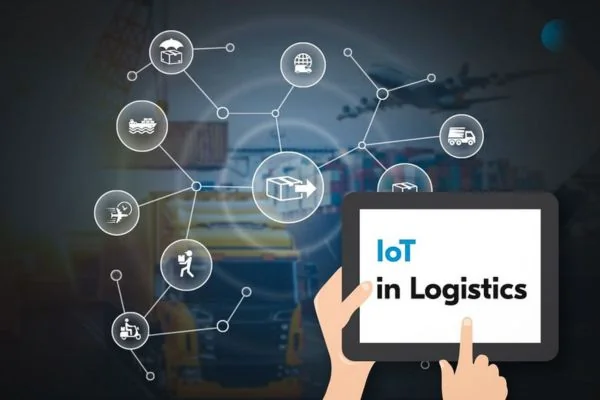
The Nervous System: Cloud and IoT
If AI is the brain of this operation, cloud-based systems serve as its nervous system. Real-time visibility provided by these platforms replaces guesswork with reliable information. They predict delays and automate customer updates, maintaining trust even when things go wrong.
Real-Time Tracking for Reliability
Cloud-based logistics platforms now act as a unified dashboard, linking inventory, marketplaces, and last-mile fleets. These systems integrate with government initiatives like the Unified Logistics Interface Platform (ULIP) to offer real-time multi-modal tracking. This ensures that parcels are not only tracked but also predicted for delays and automated updates.
Serving Both D2C and B2B Needs
This technology serves two distinct masters: D2C brands focus on speed and customer experience, catering to Gen Z shoppers who demand instant gratification. For B2B operations, the focus is on reliability, bulk handling, and cost efficiency.
Meeting the Needs of Different Markets
A robust courier aggregator platform distinguishes between these needs, ensuring that a corporate client in Chennai gets cost-optimised bulk transit while a Gen Z fashion buyer in Guwahati receives express delivery. The challenges of fragmented addresses and remote locations remain, but we finally have the tools to navigate them.
We are moving toward a future where logistics is no longer a back-end support function but a strategic lever for growth.
Success in India’s digital economy belongs to those who can solve the puzzle of speed and scale concurrently. It belongs to those who understand that the future supply chain is not only about moving faster, but also about shipping smarter.