Key Highlights
- A South Dakota company is recalling more than 2.2 million pounds (998,000 kilograms) of Korean barbecue pork jerky.
- The recall is due to contamination with pieces of metal from a conveyor belt used in production.
- No confirmed injuries have been reported as of the time of the recall announcement.
- Consumers are advised not to consume the recalled jerky and should return it for a refund or dispose of it properly.
A Major Meat Product Recall Sparks Safety Concerns in the Industry
The U.S. Department of Agriculture (USDA) has issued an urgent recall on more than 2.2 million pounds of Korean barbecue pork jerky, sold at Costco and Sam’s Club stores nationwide. This significant safety measure by LSI, Inc., based in Alpena, South Dakota, comes after several customers reported finding pieces of wiry metal in their products.
The Source of Contamination
According to company officials, the contamination was traced back to a conveyor belt used during the production process. The incident highlights the potential risks associated with meat processing equipment and the importance of stringent quality control measures. Such incidents are not uncommon in the food industry, where foreign materials like rocks, sticks, insects, and now metal can occasionally find their way into products.
Impact on Consumers and Industry
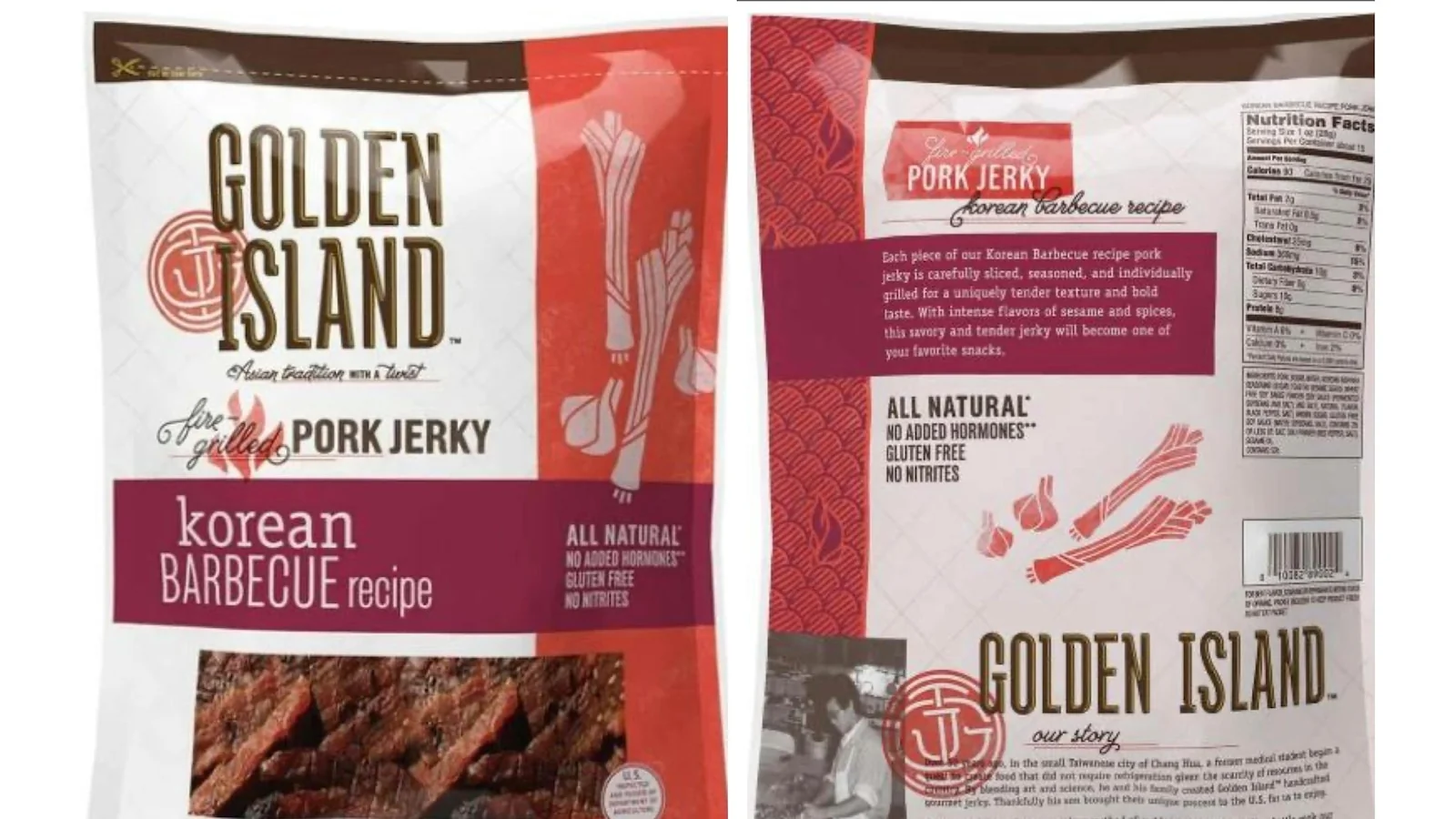
The recalled jerky, packaged in 14.5-ounce (410-gram) and 16-ounce (450-gram) plastic pouches, is labeled with the “Golden Island fire-grilled pork jerky Korean barbecue recipe” brand. Approximately 48 affected lots are identified, each carrying a best-by date ranging from October 23, 2025, to September 23, 2026. Each package features an establishment number M279A inside the USDA mark of inspection.
Consumers are urged to check their purchases for these identifiers and, if found, should discard the jerky or return it to stores for a refund.
The recall underscores the ongoing vigilance required in food safety measures across industries. Health experts recommend that consumers notify manufacturers when they encounter foreign materials in their products.
Industry Context and Future Implications
This incident serves as a stark reminder of the critical role that quality control plays in safeguarding public health, particularly in the meat processing sector. The recall is just one example of how contamination can occur at any stage of production. In light of this event, industry experts are likely to call for enhanced safety protocols and regular inspections to prevent similar incidents.
The Associated Press Health and Science Department notes that while no confirmed injuries have been reported as of the time of this recall announcement, such events can pose significant risks if not addressed promptly.
The recall highlights the importance of transparency and swift action by companies in ensuring consumer safety and maintaining trust in their products.
As consumers continue to demand higher standards for food safety, manufacturers are under increasing pressure to implement robust quality assurance measures. This case is expected to prompt further discussions on the need for advanced technology solutions and enhanced regulatory oversight to prevent such occurrences in the future.