Key Highlights
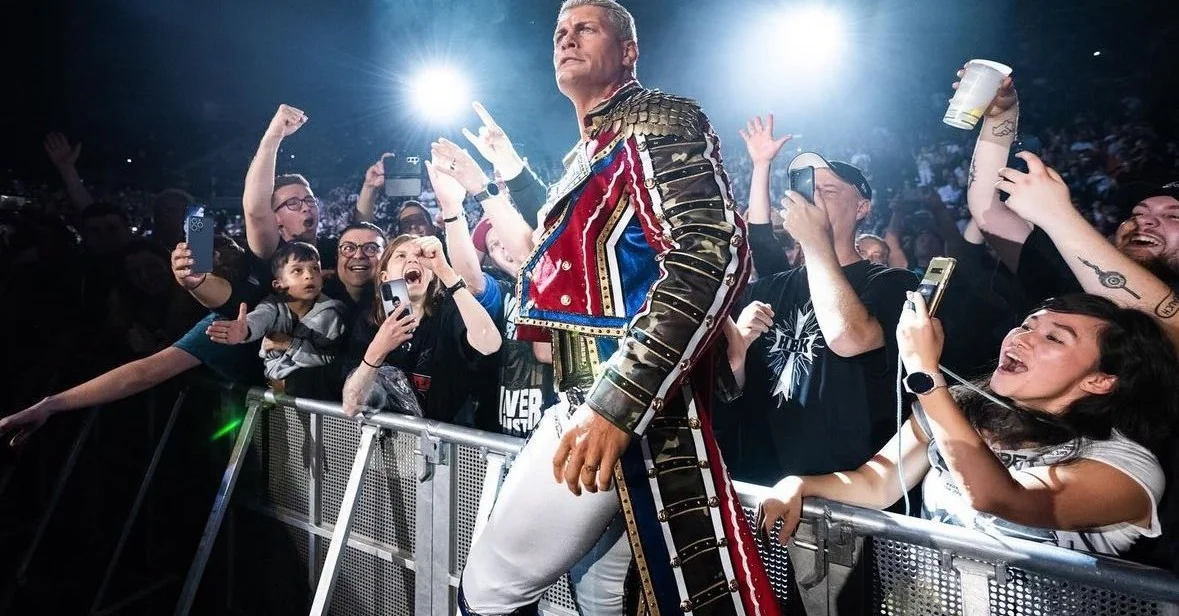
- Cody Rhodes and Jey Uso raise concerns about WWE’s reduced house show schedule.
- The reduction in live events is seen as a shift towards brand-building opportunities like media appearances.
- WWE’s sole house show before WrestleMania is scheduled for Valentine’s Day in Lubbock, Texas.
- TKO Group Holdings’ president and COO Mark Shapiro justifies the reduction citing marginally profitable events.
The Wrestling Scene’s Changing Landscape: WWE’s Downward Trajectory
WWE has long been a cornerstone of professional wrestling, but recent developments suggest that the landscape is shifting. Cody Rhodes and Jey Uso are leading the charge to reignite some of the lost glory by voicing their concerns over the company’s reduced house show schedule.
The Business Shift: From Live Events to Brand Building
According to Mark Shapiro, the COO of TKO Group Holdings, which acquired WWE in 2023, live events are becoming a less central part of the business model. Shapiro stated at a Goldman Sachs conference in 2024 that while WWE still needs to grow, “we don’t need to carry these marginally profitable events.” This sentiment is echoed by Rhodes, who argues for more house shows to boost camaraderie and provide extra repetitions.
The Impact on Talent and Fans
Uso’s comments highlight the potential ramifications of this shift. He misses wrestling every night, a sentiment shared by many within the locker room. The lack of live events not only affects the wrestlers but also the fans who crave the more intimate experience that these shows provide.
The Lone House Show: A Valentine’s Day Special
Despite the reduction in house shows, WWE still has a lone event scheduled before WrestleMania. This “Road to WrestleMania” show is set for February 14th, 2026, at United Supermarkets Arena in Lubbock, Texas. While the show has seen good ticket distribution with over 8,000 tickets sold, it’s a mere fraction of what was once routine.
So, where does this leave WWE?
With just one house show and an increased focus on brand-building opportunities, the company is navigating uncharted waters. It remains to be seen if this approach will pay off or if it’s a risky move that could alienate both its wrestlers and fans in the long run.
You might think this is new, but… it’s part of a broader trend in the industry. As wrestling companies look for more cost-effective ways to grow their brands, live events are becoming less central. But as Rhodes and Uso remind us, sometimes the heart of what makes wrestling special lies in those live shows.