Key Highlights
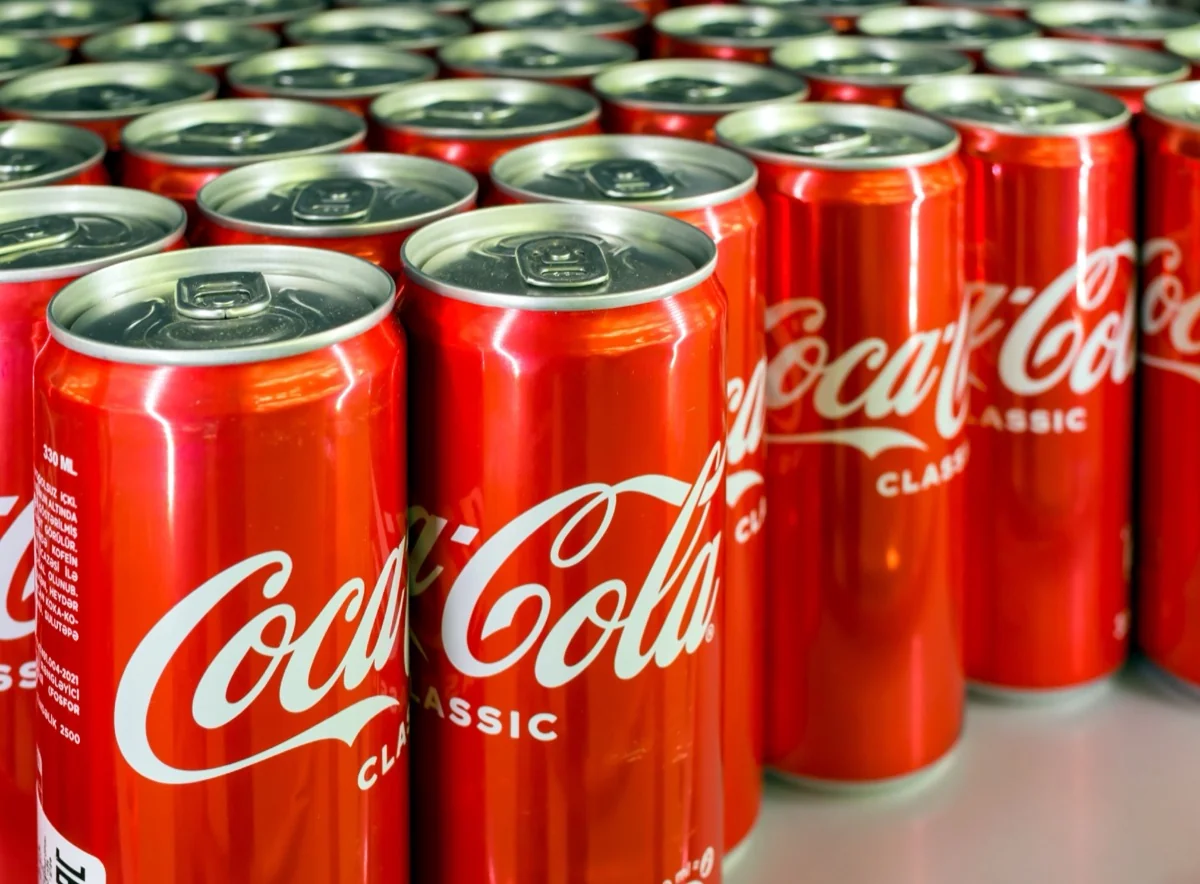
- Coca-Cola has recalled 3 popular sodas over potential foreign material contamination.
- The affected products include Coca-Cola Zero Sugar, Coca-Cola, and Sprite.
- The recall is considered a Class II classification by the FDA.
- The products were distributed in McAllen/Rio Grande Valley and San Antonio areas of Texas.
Recall Details and Implications
Coca-Cola has initiated a product recall across certain regions in Texas due to potential foreign material contamination. The affected beverages include Coca-Cola Zero Sugar, Coca-Cola, and Sprite. According to the Food and Drug Administration (FDA), these products have been classified as Class II recalls, which indicates that use or exposure “may cause temporary or medically reversible adverse health consequences or where the probability of serious adverse health consequences is remote,” according to the FDA’s website.
Scope of the Recall
The recall encompasses 1,115 units of Coca-Cola Zero Sugar 12-ounce cans in both 12 and 35 packs, 2,322 units of Coca-Cola 12-ounce cans distributed in 24 and 35 packs, and 791 units of Sprite 12-ounce cans packaged in 12 and 35 packs. These products were primarily distributed to the McAllen/Rio Grande Valley and San Antonio areas of Texas by Texas-based Coca-Cola Southwest Beverages LLC. The company initiated this recall on October 3, with the FDA issuing a Class II classification shortly thereafter.
Industry Context and Company Response
The move comes as the beverage giant faces increasing scrutiny over its ingredient sourcing and safety protocols. While no specific instances of contamination have been reported to date, the recall is indicative of ongoing efforts by regulators to ensure consumer safety. Coca-Cola’s spokesperson stated that all affected products had been removed from store shelves “out of an abundance of caution” by October 10.
Expert Analysis and Future Implications
The recall highlights the critical importance of robust quality control measures in the beverage industry. Food safety experts emphasize that such recalls are not uncommon but serve as a reminder to consumers to exercise vigilance when consuming products from large-scale manufacturers. Dr.
Jennifer McEntire, director of food defense and research at the National Environmental Health Association, noted, “While this recall is concerning, it’s important for consumers to understand that these measures help protect public health and maintain consumer trust in major brands.”
Industry insiders predict that such incidents could lead to increased scrutiny on ingredient sourcing practices. The recall may also spur further discussions about the use of synthetic dyes and other additives in food products, echoing recent calls by Robert F. Kennedy Jr., HHS Secretary, for a phase-out of petroleum-based synthetic dyes.
Conclusion
The ongoing efforts to ensure safe product distribution underscore the critical role that regulatory bodies like the FDA play in safeguarding public health. For now, consumers in the affected areas should check their shelves and dispose of any recalled products as instructed by Coca-Cola or local retailers. As the industry continues to address these challenges, transparency and rigorous quality control remain key priorities for maintaining consumer confidence.