Key Highlights
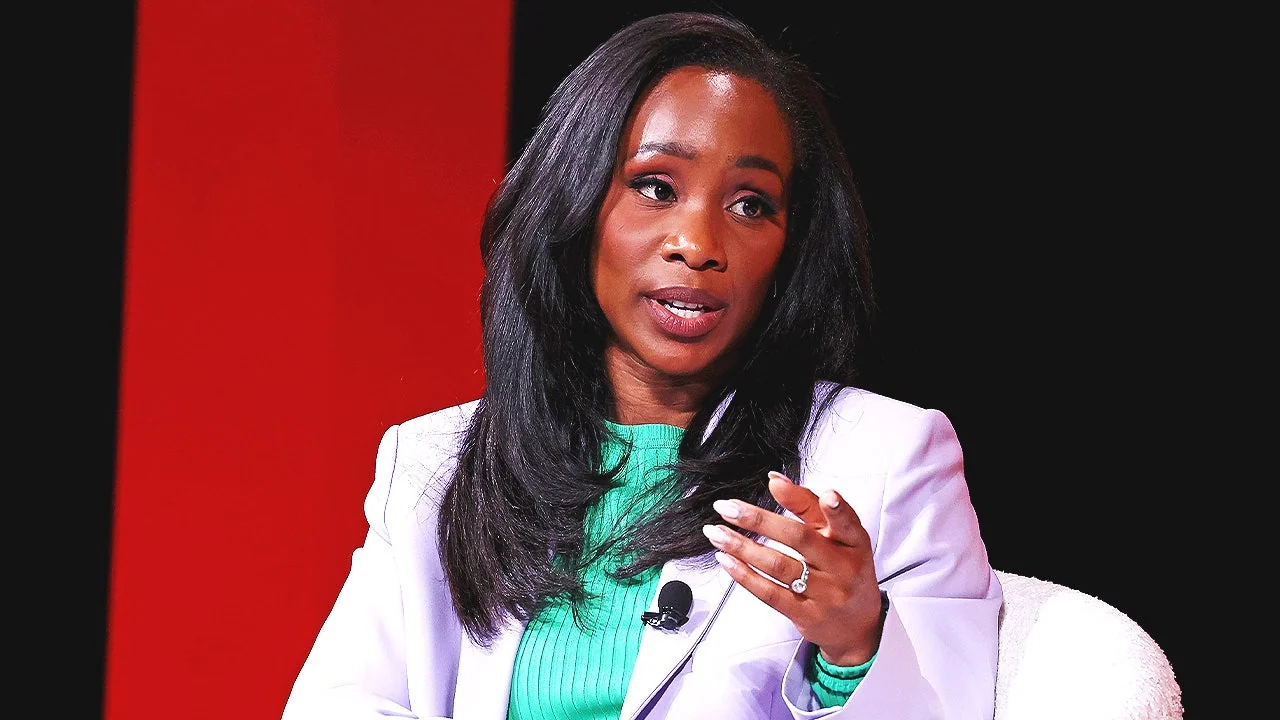
- CNN host Abby Phillip discusses the challenges of communicating with conservatives during a podcast appearance.
- Phillip and former MSNBC host Joy Reid talk about the information bubble that surrounds conservative Americans.
- To effectively converse with conservatives, Phillip studies “conspiracy theories” to understand their perspectives better.
- The hosts argue that less media siloing could help bridge political divides but acknowledge the difficulty of changing deeply held beliefs.
Media Silos and Conservative Beliefs
CNN host Abby Phillip recently appeared on Joy Reid’s podcast, where she discussed the challenges of engaging with conservatives in today’s polarized media landscape. Phillip highlighted that conservatives are often living in a different “information world” compared to liberals, reflecting a broader issue of media silos that divides political perspectives.
Understanding Conservative Beliefs
During the podcast, Reid posed a question about how journalism manages the growing number of people who believe in “false” information. Phillip responded by emphasizing the importance of understanding and engaging with “conspiracy theories” to communicate effectively with conservatives. She stated, “I mean, half my job sometimes is knowing what the latest conspiracy is.
Yeah. So that if it comes up, I’m ready to address it.” This approach underscores the need for journalists to familiarize themselves with the narratives and beliefs of opposing political factions.
Impact on Journalism
The conversation delved into the impact of media silos on journalism. Phillip noted that less media siloing would be beneficial but acknowledged the difficulty in changing deeply held beliefs. She said, “And so again, the siloing of our information landscapes is one of the biggest problems in media today,” and added, “It’s not going to resolve all of our political problems or differences, but less siloing is better than more.” This statement reflects a nuanced understanding of the complex issues surrounding media bias and polarization.
Broader Implications
The discussion highlights the broader implications for journalism and public discourse. As media continues to fragment into various echo chambers, it becomes increasingly challenging for journalists to bridge divides and foster meaningful dialogue across political lines. The need for increased awareness of different information landscapes is crucial not only in journalism but also in other sectors dealing with diverse audiences.
In conclusion, the conversation between Phillip and Reid underscores the importance of understanding and engaging with diverse perspectives, even when those beliefs diverge significantly from one’s own.
As media silos persist, so too do challenges in creating a more unified public discourse. The key to effective communication lies not only in knowing what to say but also in understanding the context from which others are speaking.