Key Highlights
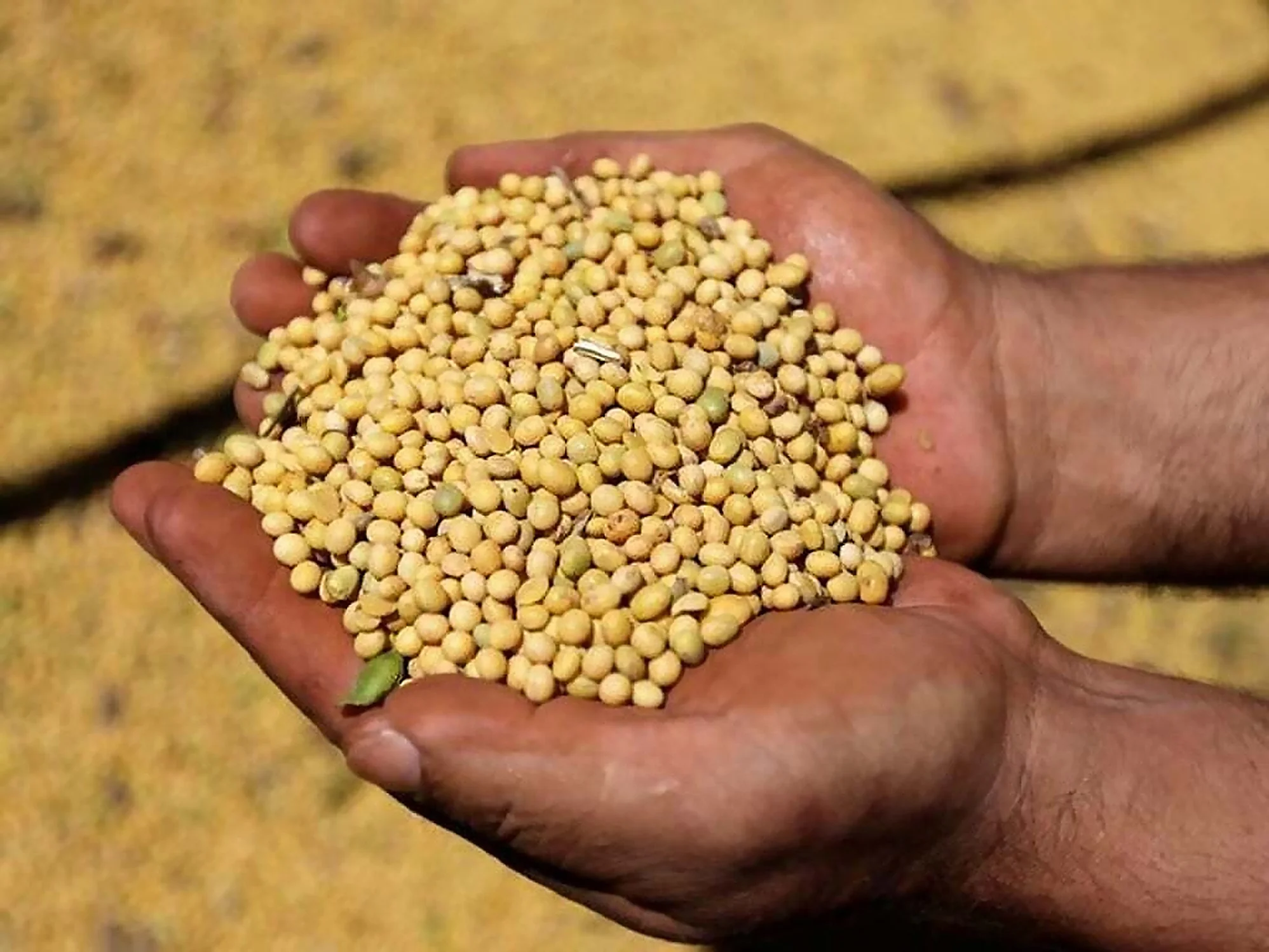
- China imported no soybeans from the U.S. in September for the first time since November 2018.
- Brazil dominated China’s soybean imports with an 85.2% share, up from a year earlier.
- The trade dispute between the world’s two largest economies has significantly impacted U.S. soybean exports to China.
- Trade talks between the U.S. and China show signs of progress, but a breakthrough is not yet in sight.
Background on US-China Trade Disputes
The trade dispute between the United States and China has been a long-standing issue, affecting various sectors including agriculture. The U.S., which traditionally supplied significant amounts of soybeans to China, found itself at the center of this economic war when it imposed tariffs on Chinese imports in 2018.
Impact on US Soybean Exports
The September data from China’s General Administration of Customs highlighted a dramatic shift in the trade dynamics. While U.S. soybeans saw their shipments fall to zero, South American countries like Brazil and Argentina surged ahead as major suppliers. According to the latest figures, Brazilian arrivals increased by 29.9% year-on-year, accounting for an impressive 85.2% of China’s total imports. Argentina also saw a significant increase in its share with a 91.5% rise in shipments.
Reasons Behind the Shift in Supply
The decrease in U.S. soybean imports can be attributed to several factors, including high tariffs imposed by China and the exhaustion of old-crop supplies. “This is mainly due to tariffs,” stated Wan Chengzhi, an analyst at Capital Jingdu Futures. “In a typical year, some old-crop beans would still enter the market.”
Market Dynamics and Future Projections
The shift in supply has not only impacted U.S. farmers but also raised concerns about potential shortages early next year. Johnny Xiang from Beijing-based AgRadar Consulting noted, “A soybean supply gap may emerge in China between February and April next year if there’s no trade deal in place.” Brazil has already shipped a huge volume of soybeans, leaving unknown quantities of old-crop stocks.
Signs of Progress in Trade Talks
Despite the current challenges, there are signs that trade talks between the U.S. and China may be regaining momentum. U.S. President Donald Trump expressed optimism about a possible soybean deal being reached. However, for now, Chinese buyers remain focused on securing shipments from South American suppliers.
Industry Impact and Future Outlook
The ongoing trade tensions have significant implications for both the U.S. agricultural sector and China’s import-dependent industries. Without a resolution, U.S. farmers could face substantial financial losses as they struggle to find buyers in a competitive market. Conversely, China may experience supply disruptions if no agreement is reached by the time Brazil’s new crop hits the market.
As trade negotiations continue, all eyes are on whether this latest development marks a turning point or merely another chapter in an ongoing saga of economic disputes between the world’s two largest economies.