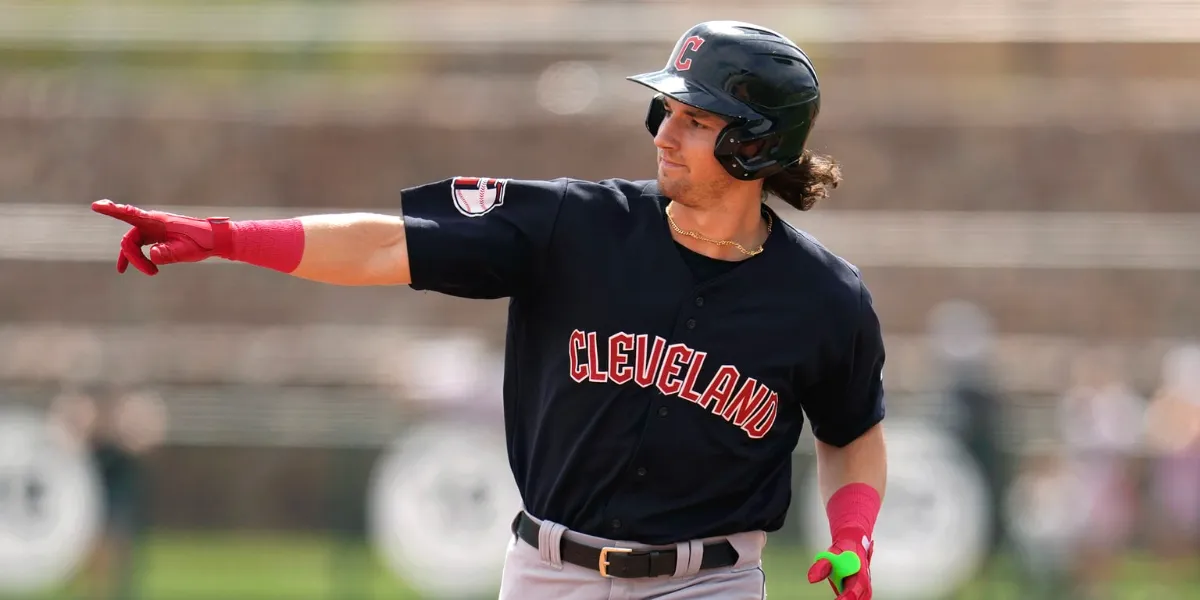
Chase DeLauter Becomes 6th Ever to Debut in MLB Playoffs (2025)
Cleveland’s Chase DeLauter is set to become just the sixth player in MLB history to make his big-league debut in the postseason, starting Game 2 of the American League Wild Card Series in center field and batting seventh.
That’s not only a goosebumps sports moment; it’s a rare roster move with real strategic and financial ripple effects—from lineup construction and matchups, to playoff odds, in-stadium revenue, TV ratings, and even sports-betting handle.
The snapshot: who, what, when
- Player: Chase DeLauter, L/L outfielder, Guardians No. 2 prospect and a top-50 overall talent by MLB Pipeline earlier this year.
- Context: Added to the 26-man Wild Card roster, then inserted into the starting lineup for Game 2 vs. Detroit.
- Why it’s historic: He becomes the sixth MLB player ever to debut in the postseason (previous five listed below).
Why debuting in October is so rare
Most call-ups happen during the regular season to allow acclimation. Debuting under playoff pressure demands unusual confidence from a front office and coaching staff, plus specific roster needs (injuries, matchups, or a glaring lineup hole).
The previous five MLB players to debut in the postseason:
- Mark Kiger (A’s, 2006 ALCS) – Defensive specialist who never appeared in a regular-season game.
- Adalberto Mondesí (Royals, 2015 World Series) – Pinch-runner/bench role on a title team.
- Alex Kirilloff (Twins, 2020 Wild Card) – Bypassed regular season amid a compressed, pandemic-shortened year.
- Ryan Weathers (Padres, 2020 NLDS) – Lefty summoned for October innings.
- Shane McClanahan (Rays, 2020 ALDS) – Power lefty debuting as a playoff weapon.
DeLauter now joins this exclusive list, underscoring the Guardians’ belief that his left-handed bat and athleticism can move the needle immediately.
Why Cleveland made this move
1) A lineup need in center field
Cleveland’s production in center versus right-handed pitching has lagged; a left-handed hitter with impact contact skills offers a cleaner platoon path and better zone control in high-leverage at-bats.
2) “Best available bat” logic
Postseason series are sprints. The Guardians signaled that current run-creation beats seniority, with DeLauter showing health and timing in workouts and BP after returning from a mid-season wrist issue.
3) Matchup leverage today, not tomorrow
Game 2 urgency (down in a best-of-3 is do-or-die territory) justifies aggressive moves. A fresh scouting report and no big-league book on DeLauter can be a one-game edge. MLB.com
Scouting the skill set (and why it plays in October)
- Approach & contact quality: Advanced plate discipline for his age; projects to barrel spin/rides in the zone and punish mistakes.
- Left-handed platoon edge: Helps against right-handed starters and relievers late.
- Athleticism: Reads off the bat, first step, and arm strength matter on playoff run prevention.
- Makeup: The club’s willingness to debut him now implies strong comfort under pressure—a fit for October chess.
Strategy board: how the Guardians might use him
- Starting CF vs. RHP: Maximize handedness and bat-to-ball in the 6–8 spots.
- Pinch-hit lever: Late vs. hard-throwing righties to avoid chase; contact lifts move-the-runner probabilities.
- Defense & baserunning: Fresh legs in the outfield; opportunistic first-to-thirds.
- Short hook risk: Don’t over-platoon if a lefty reliever appears—trust the profile rather than auto-pulling a good lefty bat.
The money angle: why this can move dollars, not just runs
October is where sports business and on-field strategy collide. A rare debut like this can influence:
- Local & national TV ratings: Historic storylines are Discover-friendly and ratings-friendly, elevating media rights value impressions for RSNs and national partners.
- Ticket sales & in-park spend: A debut storyline juices walk-up demand, merchandise (name-and-number gear), and concessions for the next home date.
- Sponsorship & brand lift: More earned media means enhanced logo exposure for jersey patch partners and stadium signage.
- Betting handle & DFS entries: New variables drive increased sports betting odds movement and fantasy lineups, especially if he starts (prop markets for total bases, hits).
- Franchise asset value (longer term): If DeLauter sticks, the cost-controlled production (pre-arb, then arbitration years) helps luxury-tax planning and roster surplus value—fuel for contention cycles.
Bottom line: a single debut can influence cash flow today and roster economics tomorrow. (Related words: broadcast revenue, CPM, ad inventory, sponsorship ROI, ticket revenue, secondary market prices, playoff bonuses, merchandise margins.)
What the numbers say about the precedent
When players have debuted in October, teams sought specific edges: speed (Mondesí), defense (Kiger), or lefty matchup firepower (Kirilloff, McClanahan). The context supports Cleveland’s logic: maximize one swing, one catch, one baserunning read—the tiny margins that decide a best-of-3.
Risk factors Cleveland is accepting
- No MLB track record: Pitchers will test him with elevated velocity and sequencing wrinkles.
- Sun, wind, and stage: Center field visibility and communication in October crowds can be tricky for a first-timer. (Early misplays are possible in any debut; learning curve is real.)
- Bullpen matching: Opponents can force a left-on-left late if Cleveland over-commits. Smart dugouts plan counters.
Why it’s still worth it: The upside of a fresh, talented LH bat in an elimination game outweighs the risks—especially for an offense that needed a center-field spark.
How this could affect Game 2 (and beyond)
- Pitch selection: Expect early fastballs to challenge him; if he shows timing, watch for spin away.
- Bunt or run game? If the moment tightens, a safety squeeze or first-to-third might surface to manufacture a run.
- Defensive alignment: Late-inning defensive swaps could appear, but Cleveland must weigh run prevention vs. taking the bat out of DeLauter’s hands if the order loops again.
- Narrative force: If he reaches base or makes a highlight catch, momentum and crowd energy can jump—October thrives on tiny emotional edges that compound into win probability.
For fans, bettors, and DFS players: actionable notes
- DFS leverage: A low-salary, low-rostered debut bat hitting 7th can be slate-breaking if he puts a ball in the seats or logs 2+ total bases.
- Props to monitor: Over 0.5 hits, total bases, or a stolen base long-shot if he gets on.
- Live-betting signal: Productive first at-bat (barrel/LD) often tightens lines—watch in-game odds movement after his first plate appearance.
- Series price impact: A single game swing reshapes series probability in a best-of-3; a debut hit can be the swing.
(Related words: sports betting lines, implied probability, closing line value, bankroll management, risk exposure.)
Responsible-betting reminder: set unit sizes, avoid chasing, and treat debut volatility as high variance.
Frequently Asked Questions (Beginner-friendly)
Q1: Is it even allowed to debut in the playoffs?
Yes. If a player is properly added to the postseason roster and meets eligibility/health replacement rules, a first MLB appearance can happen in October. It’s rare but allowed.
Q2: Why would a team risk it?
Because October is about small edges. If the staff believes this bat/defense gives a better chance today than the alternatives, debut timing is secondary.
Q3: Who else has done this?
Mark Kiger (2006), Adalberto Mondesí (2015), Alex Kirilloff (2020), Ryan Weathers (2020), Shane McClanahan (2020). DeLauter becomes No. 6.
Q4: Does he get MLB service time?
Yes—postseason days count toward service when a player is on the Major League roster. (Teams still balance long-term service considerations with short-term win equity.)
Q5: What if he struggles in his first at-bat?
Debuts are noisy. One plate appearance doesn’t define the move. Teams watch quality of contact, swing decisions, and defense.
Q6: Will this impact payroll or luxury tax this year?
Not meaningfully in-year. The bigger effect is long-term: If DeLauter proves ready in 2026, it increases pre-arb surplus value, frees budget for pitching, and supports sustainable contention.
Q7: Is this a first for the Guardians?
Yes—first in franchise history to debut in the postseason, underscoring how unusual this is.
Related words to help you follow the conversation
Playoff roster rules, left-right platoon, defensive runs saved, chase rate, barrel rate, win probability added (WPA), leverage index, bullpen matching, prop markets, media rights CPM, sponsorship ROI, gate receipts, luxury tax threshold, arbitration years, surplus value.
Conclusion: A bold bet on upside—and a business boost
The Guardians are leaning into variance with a debut that could deliver exactly the jolt a best-of-3 demands. From the dugout’s perspective, DeLauter’s left-handed contact and athleticism offer tactical leverage.
From a business lens, a historic first generates Discover-worthy attention, more ad inventory value, stronger ratings, and heightened betting and merch activity—all measurable in October. If DeLauter turns one big moment into a run, this rare decision can pay off on the field and on the balance sheet.