Key Highlights
- California Governor Gavin Newsom has reversed a parole decision for Patricia Krenwinkel, a convicted participant in the 1969 Tate-LaBianca murders.
- Krenwinkel, now 77, was denied parole despite having engaged in extensive rehabilitation efforts over her decades-long incarceration.
- The governor cited her lack of insight and tendency to externalize blame as reasons for the denial, stating she remains an “unreasonable danger” to society.
- This decision comes amidst ongoing debates about early release and public safety risks associated with parole decisions in California.
The 1969 Murders: A Brief Overview
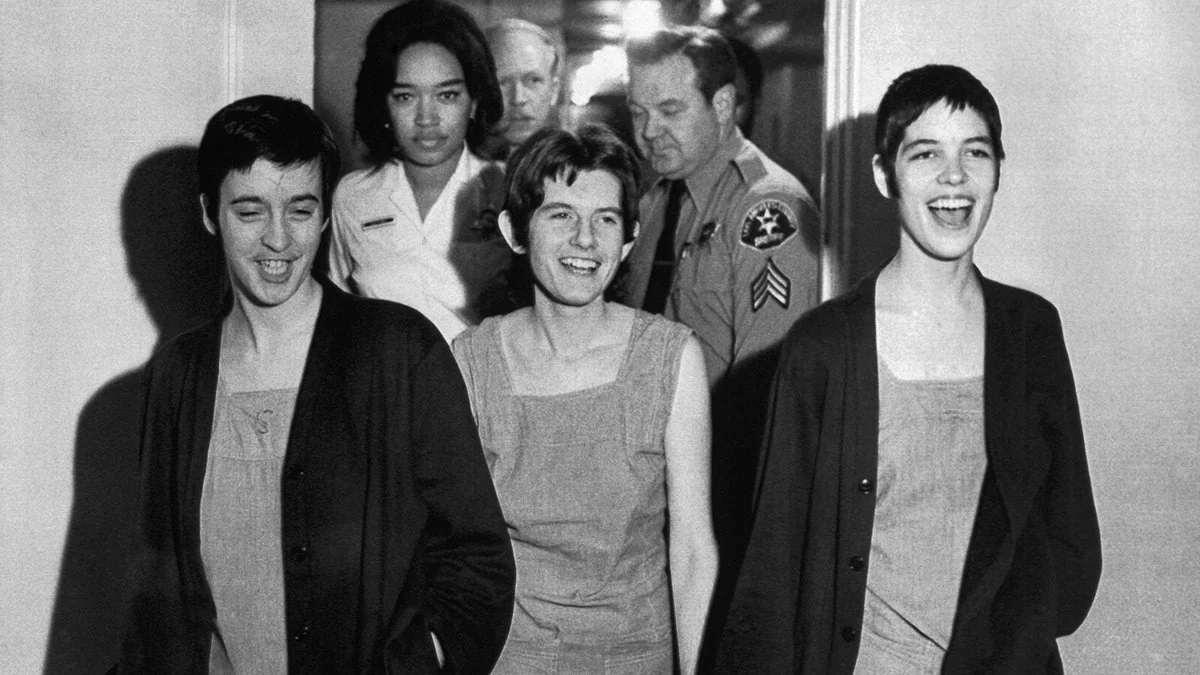
Patricia Krenwinkel, a follower of cult leader Charles Manson, was one of the key participants in the notorious 1969 murders that rocked Hollywood. On August 9 and 10, 1969, at the homes of actress Sharon Tate and Leno and Rosemary LaBianca, Krenwinkel and others killed seven people under Manson’s guidance.
These killings were part of a larger campaign led by Manson to incite a race war. The brutal murders included the fatal stabbing of Abigail Folger, a friend of Sharon Tate, and multiple attacks on other victims. Krenwinkel was convicted alongside three others and sentenced to life in prison.
Decades of Parole Hearings
Krenwinkel has had 17 parole hearings since her conviction in 1969, with the most recent taking place in May 2025. The parole board found her suitable for release but was reversed by Governor Newsom.
Newsom acknowledged Krenwinkel’s extensive rehabilitation efforts, including earning multiple college degrees and mentoring younger inmates. However, he deemed these achievements insufficient due to ongoing “deficits in self-awareness” and a tendency to blame external factors for past actions.
Legal Battles and Public Debate
The decision has reignited discussions about the balance between public safety and rehabilitation efforts. California Senate Minority Leader Brian Jones criticized a bill that could release 1,600 convicted killers early, citing potential public safety risks similar to those posed by Krenwinkel.
Krenwinkel’s attorney, Keith Wattley, argued for her release based on the criteria set by California law and cited her transformation from a young follower of Charles Manson to a “compassionate mentor” as grounds for early parole. However, Newsom maintained his stance, emphasizing that Krenwinkel remains an “unreasonable danger” to society.
With this latest ruling, Patricia Krenwinkel continues to serve her life sentence at the California Institution for Women in Corona, facing the possibility of future hearings or appeals as she seeks release and rehabilitation.