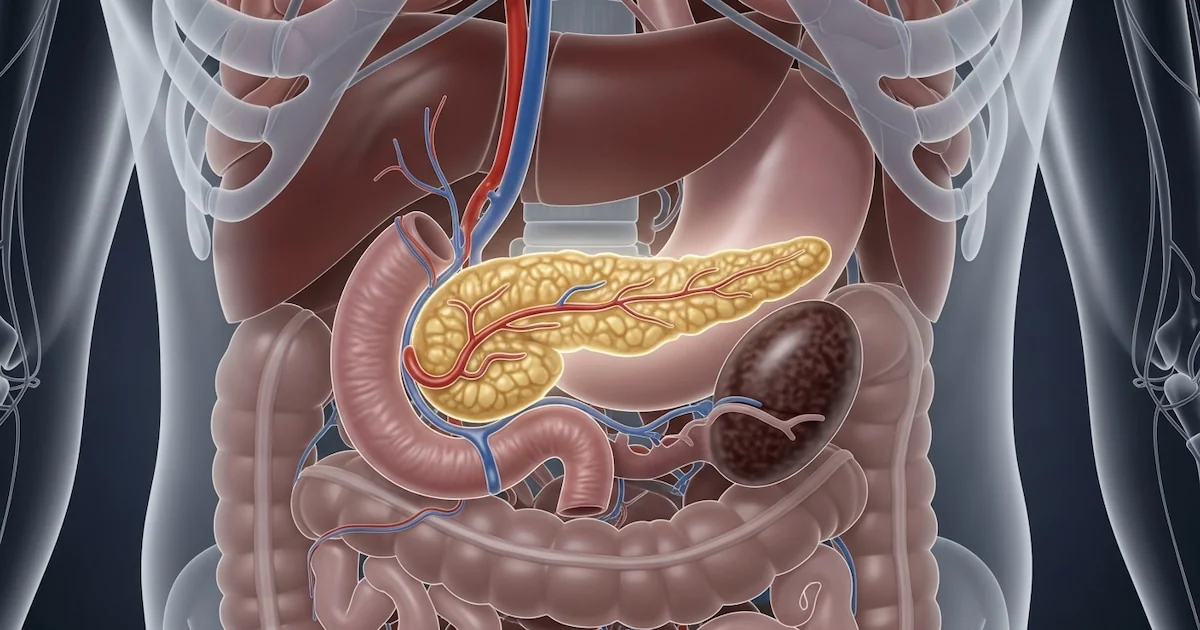
Key Highlights
- Researchers led by Mariano Barbacid have achieved complete elimination of pancreatic tumors in mice using a triple therapy for over 200 days without significant side effects.
- The study, published in Proceedings of the National Academy of Sciences (PNAS), focuses on targeting KRAS, EGFR, and STAT3 proteins involved in tumor growth and resistance.
- Diego Kaen from the Asociación Argentina de Oncología Clínica emphasized the potential impact of this breakthrough, especially for pancreatic cancer, which has low survival rates and limited treatment advancements.
- The triple therapy could represent a significant change in the approach to treating adenocarcinoma ductal of pancreas, overcoming resistance issues that have hindered progress.
Breakthrough in Pancreatic Cancer Treatment: Triple Therapy Shows Promise
A groundbreaking study by researchers at the Centro Nacional de Investigaciones Oncológicas (CNIO) led by Mariano Barbacid has demonstrated the potential of a triple therapy to treat pancreatic cancer, one of the most aggressive and lethal forms of the disease. The team’s findings were presented in Madrid during a press conference hosted by the Fundación Cris Contra el Cáncer.
Triple Therapy Targets Key Proteins
The researchers focused on three key proteins: KRAS, which is mutated in 90% of pancreatic cancer cases; and EGFR and STAT3, both crucial for tumor cell proliferation and resistance. According to Barbacid, “This study opens a pathway to designing new combined therapies that could improve the survival rates of patients with adenocarcinoma ductal of pancreas.”
Significance of the Breakthrough
Pancreatic cancer is notorious for its poor prognosis, with only 10% of patients surviving five years. The main challenge lies in the rapid development of resistance to treatments and the lack of significant progress over several decades. The triple therapy has shown promising results by not only eliminating tumors but also maintaining a lasting effect without significant side effects.
Diego Kaen, an oncologist and former president of the Asociación Argentina de Oncología Clínica, highlighted the importance of this discovery: “This is particularly crucial for pancreatic cancer, which has had very few advancements in treatment over the last five years. The results here are groundbreaking as they potentially address resistance issues that have long plagued this form of cancer.”
Future Challenges and Opportunities
While the triple therapy shows promise in animal models, translating these findings into human patients will require further research and clinical trials. Mariano Barbacid acknowledged that “we still cannot conduct clinical trials with this triple therapy, but optimizing the combination is not an easy task.” The researchers plan to study a larger number of patient samples and explore potential new combinations for those tumors that do not respond well.
Diego Kaen also warned about the potential side effects: “While this is a promising development, we must carefully assess its impact on human patients. Combining three different medications with diverse mechanisms can have unforeseen consequences, which will only be known in future phases of testing.”
Investment and Collaboration
The research was funded by the Fundación Cris Contra el Cáncer, which has invested over 2 million euros since 2020. Lola Manterola, president of the foundation, stressed the importance of continued investment in scientific research: “Investing in groundbreaking studies like this is essential to changing the course of cancer history.”
The success of the triple therapy underscores the potential for new treatment approaches that could significantly improve clinical outcomes for pancreatic cancer patients. As Barbacid noted, “This discovery highlights the need for collaboration between public and private sectors and calls for supportive policies to retain scientific talent in Spain.”