Key Highlights
- Norway’s approach to youth sports differs significantly from other countries.
- Youth sports in Norway do not keep score until kids reach 13 years old.
- A staggering 93% of Norwegian children play organized sports by the time they are fully teens.
- Children have multiple opportunities to try different sports and focus on enjoyment rather than pressure.
The Secret Sauce Behind Norway’s Olympic Success: A Fresh Perspective
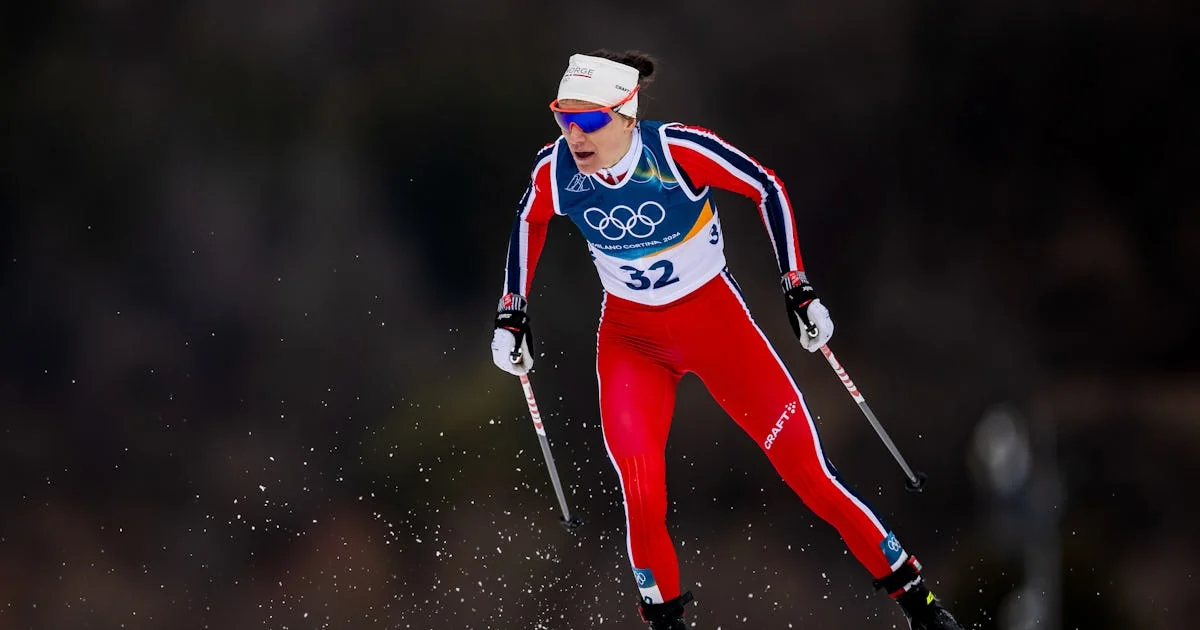
Norway is doing something right. Every winter, as athletes from around the world compete in the Olympics, we’re reminded of their prowess and dedication. But have you ever wondered what’s behind that success?
You might think this is new, but it’s not. But here’s a bit of a twist: Norway has been quietly building its athletic foundation for decades. Brad Stulberg brought attention to one particular aspect of Norwegian youth sports on Instagram—a model so different from the American or Canadian approach that it could be the secret sauce behind their success. And let’s face it, they do it a little better than we do.
No Score Until 13
First off, Norway doesn’t keep score in youth sports until kids reach the age of 13. Can you imagine? Even t-ball teams for five-year-olds are notorious for parents arguing over runs scored with umpires who are often teenagers themselves. Without this pressure, Norwegian kids can focus on enjoying the game and learning skills.
93% Play Organized Sports
According to The New York Times, a staggering 93% of children in Norway grow up playing organized sports by the time they reach their teens. That’s nearly every child! For comparison, this figure is significantly lower in countries like America or Canada.
Try Multiple Sports
Norway also encourages kids to try out multiple sports. In contrast, American parents often push their children to specialize early on—sometimes even before they can tie their own shoelaces. This pressure to choose a sport and stick with it from an early age might be limiting young athletes’ potential.
Achieving Joy First
The Norwegian approach is all about joy first. They have a document called “Children’s Rights in Sports,” introduced in 1987, which emphasizes the importance of making sports fun for kids. This document ensures that children are offered any chance to play a sport and focus on enjoyment rather than winning.
Lessons from Norway’s Model
The lessons from Norway’s model are clear. By keeping things light-hearted until kids reach 13, by encouraging them to try multiple sports, and by prioritizing joy over pressure, Norway is nurturing well-rounded athletes who have the opportunity to excel in various fields. So next time you watch the Olympics and marvel at Norway’s performance, remember that it might all come down to their approach to youth sports. Maybe it’s time we took a leaf out of their book and gave our young athletes a chance to enjoy the game first.