Key Highlights
- Cameroon’s top court declared incumbent President Paul Biya the winner of the latest election.
- The 92-year-old Biya has led Cameroon since 1982 and received 53.66% of votes on October 12.
- Opposition candidate Issa Tchiroma Bakary got 35.19% of the vote, but claimed victory before the election.
- Clashes with security forces left at least four protesters dead in Douala ahead of the announcement.
Election Results and Protests in Cameroon
The Constitutional Council of Cameroon declared incumbent President Paul Biya, 92 years old, the winner of the latest election. Biya has been in power since 1982 and secured 53.66% of the votes cast on October 12, according to official results.
Opposition Claims and Disputes
In contrast to the official announcement, opposition candidate Issa Tchiroma Bakary claimed victory before the election, citing results he said were collated by his party. However, Biya dismissed these claims outright, maintaining that the election was free and fair.
Pre-Election Tensions
The decision to hold the election has been met with significant opposition from youth groups and some political parties who believe Biya’s campaign methods are undemocratic. The opposition has accused him of having a hand in disqualifying his strongest rival and using “state machinery” to manipulate the results.
Violence and Protests
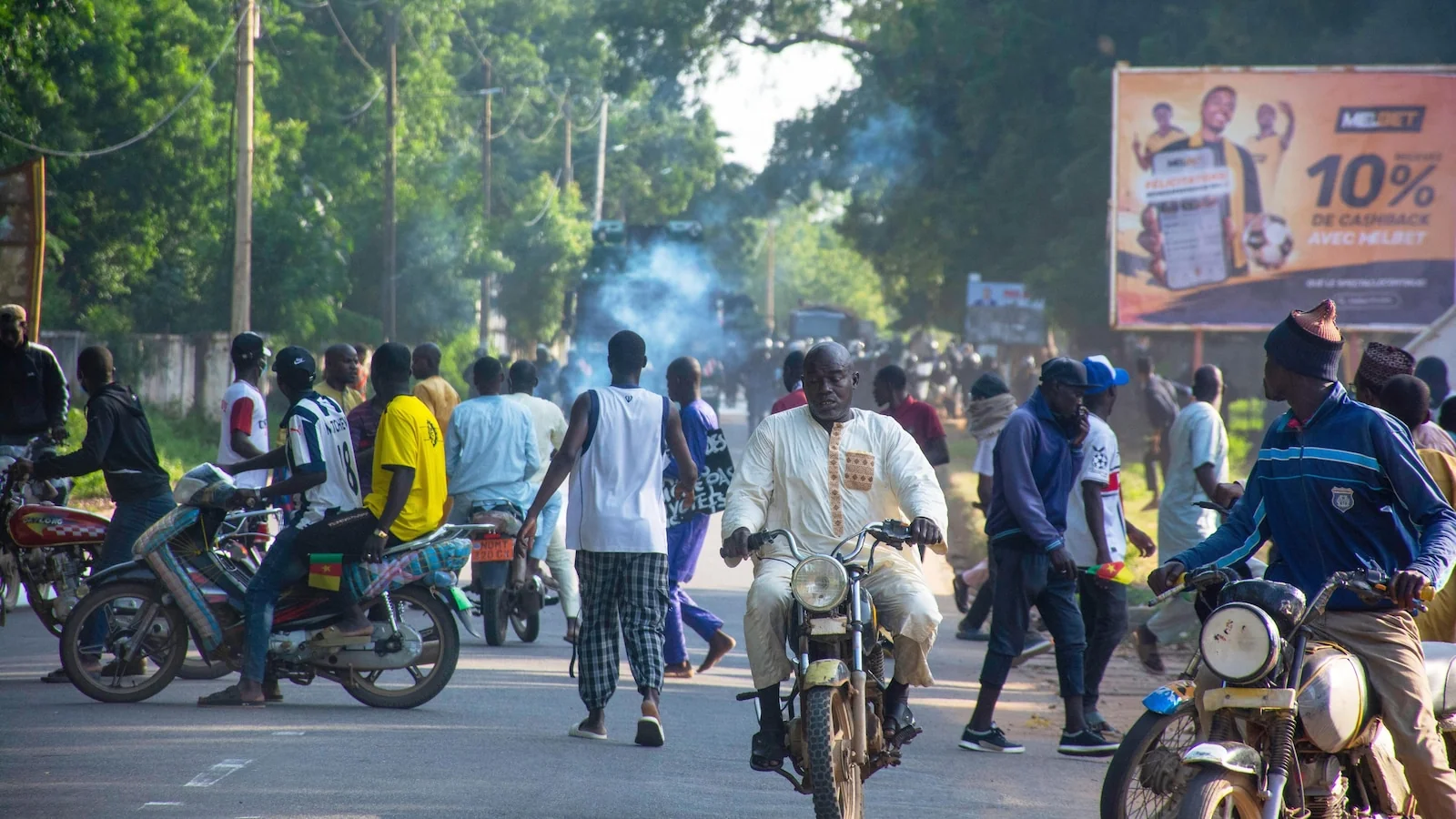
In the run-up to the announcement, tensions escalated as protests erupted across Cameroon. Clashes between protesters and security forces resulted in at least four deaths on Sunday in Douala, the economic capital of the country. Over 100 protesters were also arrested during demonstrations in several cities.
Background on Paul Biya’s Presidency
Biya has been Cameroon’s president for nearly half his life and is considered the world’s oldest serving head of state. His re-election bid was seen by many as a continuation of his long-standing rule, which critics argue has been marked by authoritarianism and lack of transparency.
Security Force Response
Cameroon’s Minister of Territorial Administration, Paul Atanga Nji, stated that the government had arrested several people planning violent attacks. The security forces reported injuries among their ranks during clashes with protesters in Douala. Governor Samuel Dieudonne Ivaha Diboua of the Littoral Region confirmed 105 protesters were detained.
Broader Implications and Future Outlook
The results of this election could have significant implications for Cameroon’s political landscape, potentially solidifying Biya’s hold on power. However, the protests and violent clashes underscore ongoing dissatisfaction with his leadership among segments of the Cameroonian population. As such, any future elections will likely be closely watched by both domestic and international observers.
For now, the country remains in a state of political tension as the government prepares to manage the aftermath of these events. The next steps for opposition leaders and protesters are unclear, but it is evident that Cameroon faces an uncertain path ahead.