Key Highlights
- Roosevelt’s strong moral core and commitment to public service
- The importance of America leading the world as a free nation
- Roosevelt’s advocacy for workers’ rights and his belief in civic duty
- The enduring legacy of Roosevelt’s leadership during the Gilded Age
Presidential Leadership: A Blueprint from Teddy Roosevelt
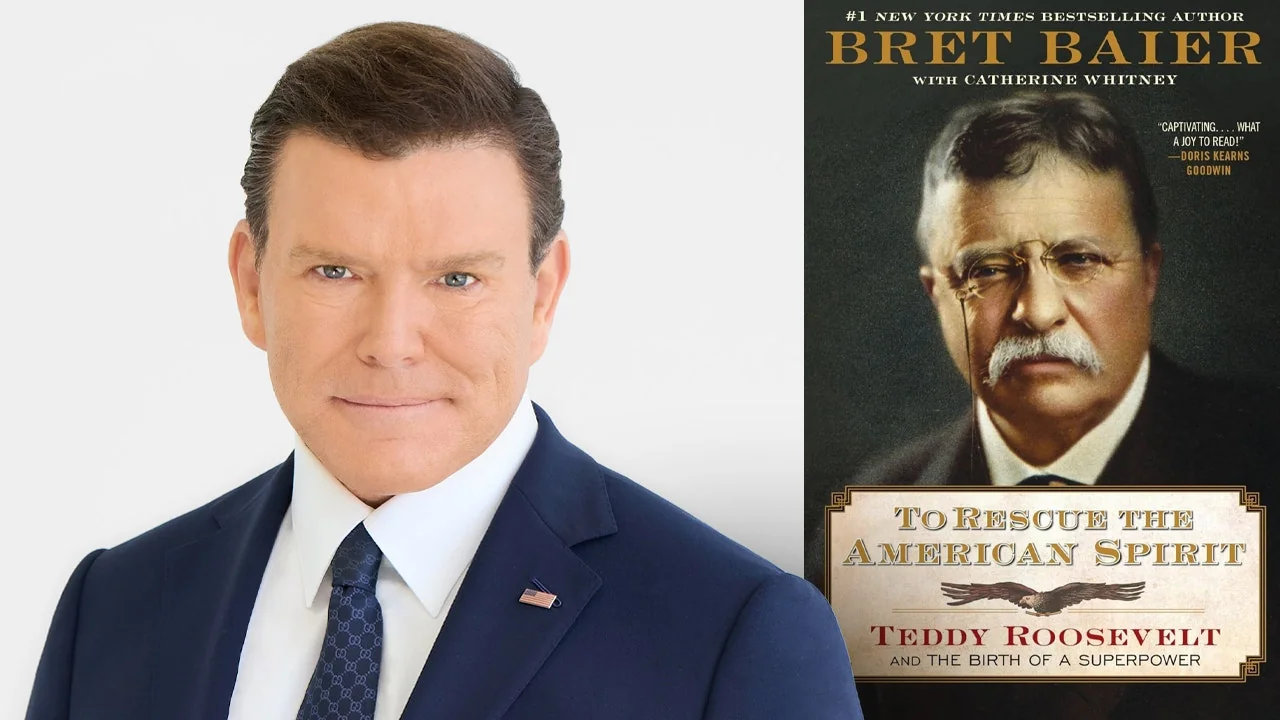
Bret Baier, Fox News Channel’s anchor and executive editor, delves into the life and legacy of Theodore Roosevelt in his latest book, “To Rescue the American Spirit: Teddy Roosevelt and the Birth of a Superpower.” Through meticulous research and evocative storytelling, Baier highlights how Roosevelt’s principles can guide modern leaders.
Strength, Duty, and Country
Roosevelt’s presidency was marked by his unwavering commitment to strength, duty, and country. Born in 1858, just two years before the Civil War, he emerged as a transformative figure at the turn of the century. His leadership during this time set the stage for America’s rise as a global power.
“Teddy Roosevelt was a man of principle,” Baier asserts. “He believed in the moral superiority of America and its responsibility to lead the world.” This conviction resonates today, especially as the United States grapples with issues of leadership and international engagement.
Moral Core and Public Service
A key element of Roosevelt’s legacy is his strong moral core. Baier notes that “Roosevelt learned the importance of morality at his father’s knee.” His father, a prominent businessman and philanthropist, taught him that “morality was a higher value than status, wealth, or fame.”
“In public service,” Roosevelt said, “the key is to be uncompromising when it comes to values.” This principle guided his presidency, ensuring that he remained true to his beliefs even in the face of political pressure.
America as a Global Leader
Roosevelt’s vision for America was one where it would lead the world as a beacon of freedom. His actions during his presidency laid the foundation for America’s global role. For instance, his mediation in the Russo-Japanese War marked a significant shift in American foreign policy.
“Roosevelt believed that America should be the leader of the free world,” Baier explains. “He demonstrated this by sending the ‘Great White Fleet’ on a world tour, showcasing American power and influence.”
Civic Duty and Workers’ Rights
Roosevelt’s commitment extended beyond foreign policy to domestic issues. He was a champion of workers’ rights, advocating for fair wages and shorter working hours as essential components of citizenship.
“No man can be a good citizen unless he has a wage more than sufficient to cover the bare cost of living,” Roosevelt declared. “Hours of labor short enough so after his day’s work is done, he will have time and energy to bear his share in the management of the community.”
Enduring Legacy
Teddy Roosevelt’s presidency was a beacon of progressivism, innovation, and moral integrity. His leadership during the Gilded Age not only reshaped America but also provided a blueprint for future generations.
Baier concludes: “Roosevelt remains one of our most admired presidents because he embodied the values that define America—strength, duty, and commitment to the greater good.”