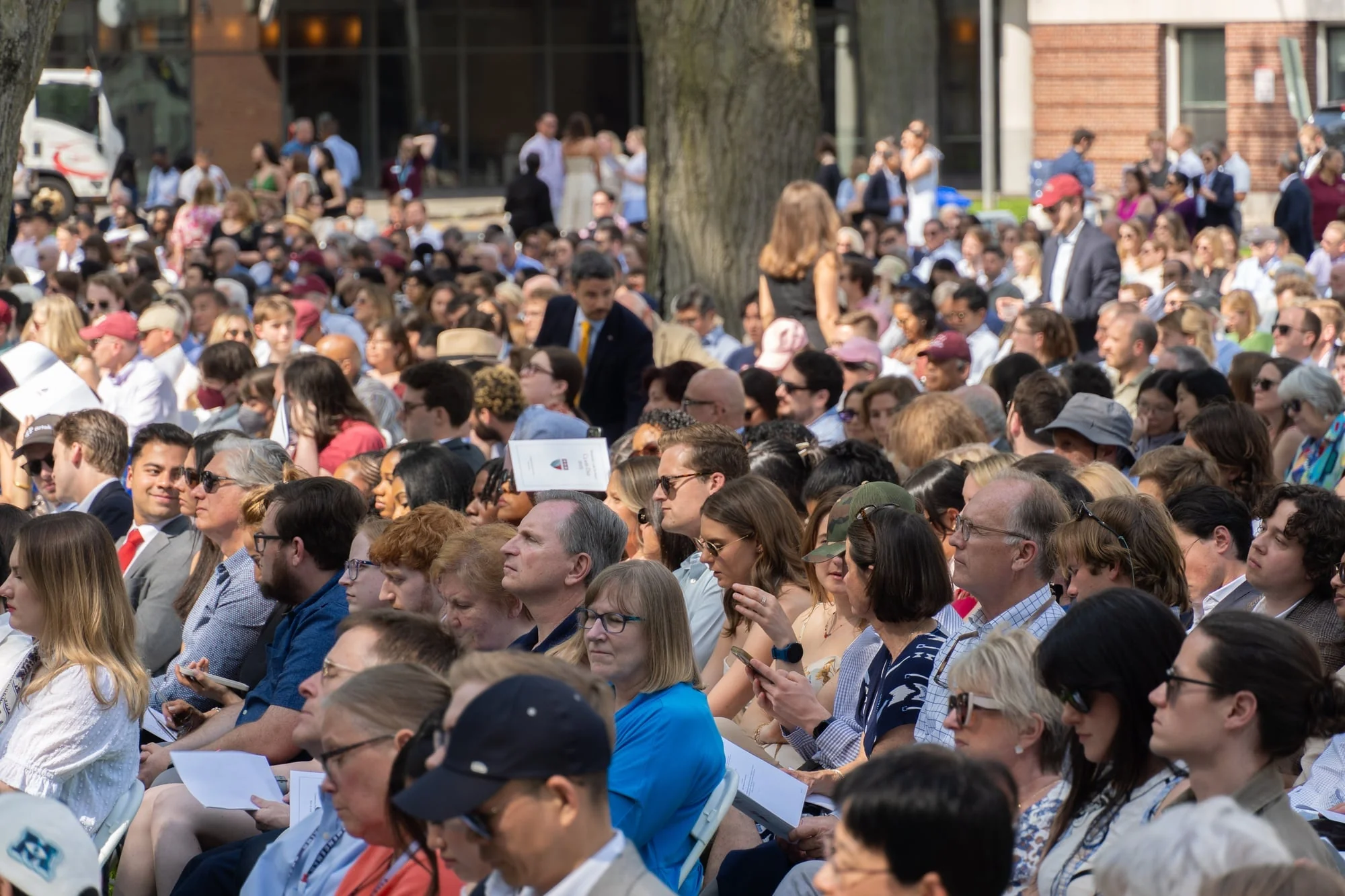
Key Highlights
- Boston Mayor Michelle Wu withdraws as HLS Class Day speaker after union urges her not to cross picket line.
- HLS Dean of Students and Associate Dean for Community Engagement, Equity, and Belonging Monica E. Monroe reorients the ceremony around student award winners and Class Marshals.
- Union HGSU-UAW president Denish K. Jaswal praises Wu’s decision as an act of solidarity with the strike.
The Politics Behind Harvard Law School’s Commencement Ceremony
Boston Mayor Michelle Wu, a prominent figure in local politics and an alumnus of Harvard Law School, has withdrawn from serving as the Class Day speaker for HLS after facing pressure from the Harvard Graduate Student Union-United Auto Workers (HGSU-UAW) to respect its picket line. The union’s decision reflects a broader labor movement that seeks to protect workers’ rights and advocate for fair treatment.
The situation highlights the complex interplay between local politics, institutional governance, and labor relations. Wu, known for her strong stance on labor issues, was deeply disappointed not to participate in the ceremony but acknowledged the importance of respecting picket lines, a core principle she has long championed as mayor.
Reorientation of HLS Class Day
In response to Wu’s withdrawal and those of other scheduled speakers, Harvard Law School Dean of Students and Associate Dean for Community Engagement, Equity, and Belonging Monica E. Monroe announced that the ceremony would be reoriented. The event will now focus on student award winners and remarks from the Class Marshals.
This reorientation underscores the school’s commitment to upholding the principles of community engagement and diversity while navigating the challenges posed by ongoing labor disputes. By shifting the emphasis to student achievements, HLS aims to maintain a sense of continuity and celebration despite the logistical hurdles created by the strike.
Union’s Perspective on Solidarity
HGSU-UAW President Denish K. Jaswal praised Wu’s decision as an act of solidarity with the striking union members. Jaswal framed Wu’s withdrawal not just as a gesture of respect but as a demonstration of leadership that goes beyond mere rhetoric.
“As a stalwart advocate for the city of Boston, Mayor Wu has dedicated her tenure to making Boston a better city for its workers, its families, and its communities,” Jaswal wrote. “Her decision to stand with HGSU-UAW exemplifies a new generation of leadership, one that does not simply espouse values at a podium but demonstrates them in moments like this one.”
This statement underscores the growing recognition among public figures of the importance of supporting labor movements and respecting picket lines. Wu’s decision may set a precedent for other high-profile speakers to consider when invited to participate in events that could be seen as crossing lines during ongoing disputes.
Longest Strike in Union History
The HGSU-UAW strike, now in its 36th day, is the longest in the union’s history. The prolonged duration of the strike highlights the complexity and contentiousness of labor negotiations at Harvard Law School. As the bargaining sessions continue without immediate resolution, the impact on the academic and administrative community remains significant.
The ongoing strike has not only affected HLS but also broader discussions about viewpoint diversity, faculty compensation, and workplace conditions in higher education. The withdrawal of prominent speakers like Wu may serve as a symbolic gesture to encourage more public support for labor rights while respecting the union’s demands.