Key Highlights
- Diane Reynolds fell victim to a scam involving a bitcoin ATM at a gas station.
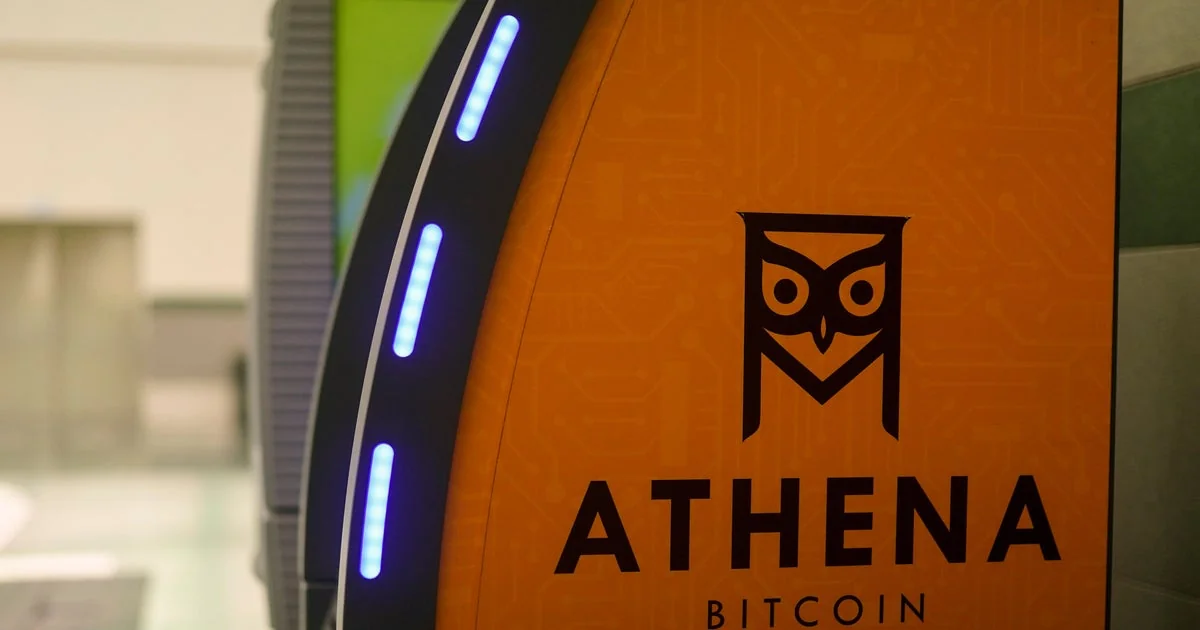
- Washington D.C. Attorney General Brian Schwalb alleges that Athena Bitcoin, which operates over 4,000 ATMs across the U.S., is profiting from cryptocurrency scams linked to its terminals.
- The lawsuit filed by Washington D.C. against Athena Bitcoin claims charges of undisclosed fees and failure to implement anti-fraud measures effectively.
- Reynolds is among those suing Athena Bitcoin for profiting from the scam that cost her $13,100.
The Rise of Cryptocurrency Scams Linked to ATMs
The recent incident involving Diane Reynolds highlights a concerning trend in financial fraud. The 74-year-old Maryland retiree was approached by someone claiming she had been hacked and needed to transfer her funds into cryptocurrency for safety reasons.
Reynolds followed the scammer’s instructions, withdrawing $13,100 from her bank account and using a bitcoin ATM operated by Athena Bitcoin. This raises significant concerns about the vulnerability of such machines in facilitating financial crimes.
Athena Bitcoin: At the Center of Controversy
According to Attorney General Brian Schwalb, Athena Bitcoin’s ATMs are being exploited by scammers, resulting in substantial financial losses for unsuspecting customers. Schwalb stated, “Bitcoin ATMs are a tool that scammers, that criminals, are using to separate people, including D.C. residents, from their hard-earned money.”
The lawsuit filed against Athena Bitcoin in September alleges that the company charges undisclosed fees on deposits known to be the result of scams and fails to implement adequate anti-fraud measures.
Industry Response and Future Implications
Athena Bitcoin, however, strongly disputes these allegations. In a statement to CBS News, the company stated, “We employ aggressive safety protocols to protect the financial interests of our customers… Our kiosks employ multiple safeguards from prominent warnings and daily transaction limits to five separate verification screens designed to stop coerced transactions.”
The incident has sparked broader discussions about the role of cryptocurrency ATMs in facilitating scams.
The Federal Trade Commission reports an increase in such incidents, while the Better Business Bureau ranks crypto-related fraud as one of the most common types of financial scams.
With over 4,000 terminals nationwide, Athena Bitcoin’s operations could pose a significant risk if not properly regulated. As the use of cryptocurrencies continues to grow, so too does the potential for fraudulent activities through these ATMs. The outcome of this lawsuit and industry responses will likely shape the future of cryptocurrency ATMs in ensuring they do not become easy targets for scammers.