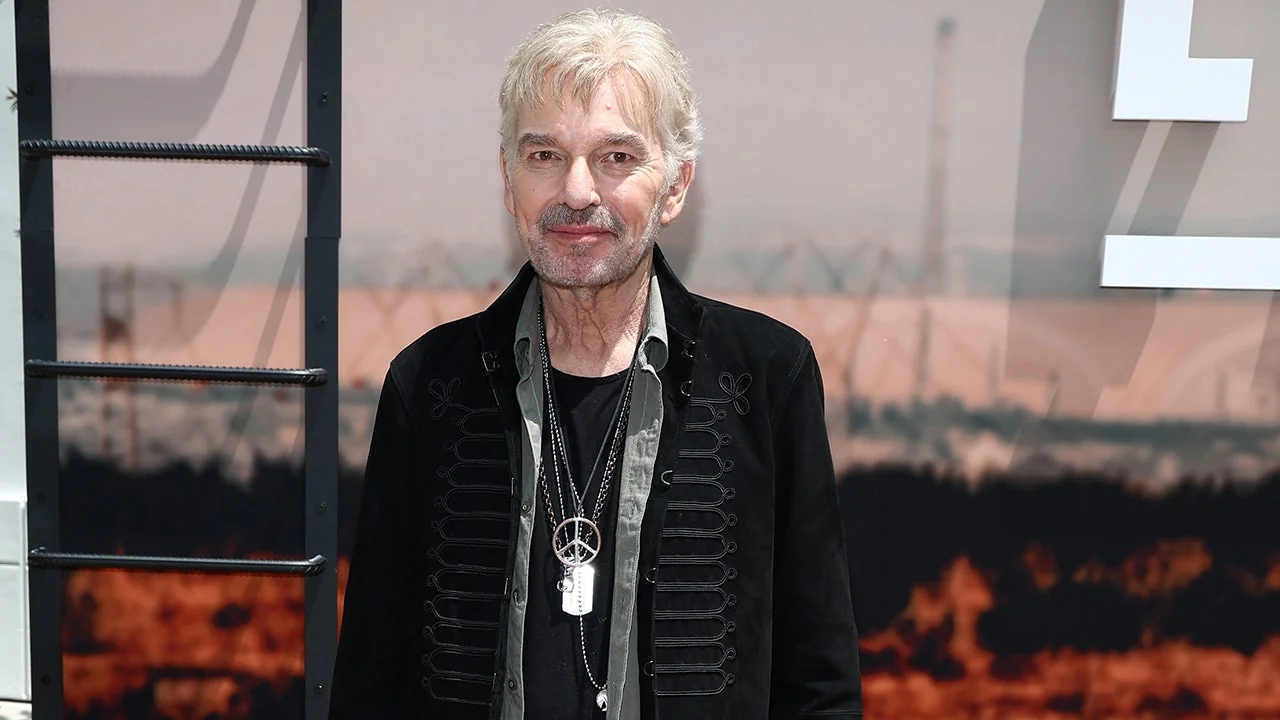
Key Highlights
- Billy Bob Thornton criticizes celebrities for using award shows to promote political causes.
- The actor shares his perspective on the current state of awards ceremonies during an interview with Joe Rogan.
- Thornton suggests that winners should honor those who gave them the award rather than focusing on political issues.
Hollywood’s Political Turn: Billy Bob Thornton Speaks Out
Billy Bob Thornton, a renowned actor with a career spanning several decades, recently voiced his concerns about the politicization of Hollywood award shows. In an interview on “The Joe Rogan Experience,” the 70-year-old star expressed dissatisfaction with what he perceives as an overemphasis on political causes during these events.
According to Thornton, many stars use award shows as platforms to promote their personal political beliefs or to bring awareness to various social issues. He stated that while winning awards is still significant for him, the current trend of politicizing these ceremonies has made them less meaningful. “I’ve won a couple recently,” he said. “But these days I just look at it as like, ‘Oh, OK, we’re gonna go over here and, you know, have some dry chicken breast and green beans, you know, and we’ll listen to people get up there and pontificate about how awesome they are.'”
Thornton’s comments reflect a broader debate within the entertainment industry regarding the balance between celebrating artistic achievements and addressing social issues. The actor believes that winners should take their time on stage to honor those who gave them the award, rather than using the platform to advocate for political causes.
The Timing of Political Activism
Thornton’s criticism comes at a time when many high-profile celebrities and politicians are increasingly aligning themselves with various social and political movements. This trend has led to some award shows becoming forums for activism, often overshadowing the artistic recognition they were initially designed for.
“There is a time and place for that,” Thornton added. “During award shows, ‘you should just stick to what it is.’ ‘Don’t go up there and talk about saving the badgers in Wisconsin or something, you know what I’m saying?’ he said. ‘And people would argue and say, ‘Well, no, because I have a voice and because everybody knows me. This is a great platform for me to put this out there.’ Well, how about this?
If you have a billion dollars, and you want to save the badgers, f—ing save them,” he added.
Thornton’s remarks echo concerns raised by other industry professionals who argue that while political engagement has its place, it should not dominate award shows. Critics suggest that such politicization can detract from the artistic merit of the work being recognized and create an environment where self-promotion takes precedence over genuine celebration of creativity.
Reflections on a Legendary Career
In another segment of the interview, Thornton reflected on his career and the accolades he has received. He mentioned winning an Academy Award for his role in “Sling Blade” (1996) and expressed happiness that he found success later in life. “If I had been nominated for an Academy Award when I was 21, who knows what I would have done with it?” Thornton said. “Don’t go up there and talk about saving the badgers in Wisconsin or something, you know what I’m saying?”
Thornton’s comments highlight the evolving nature of the entertainment industry and the changing dynamics between artists and audiences. As political issues continue to dominate public discourse, it remains to be seen how this trend will impact future award shows and the role they play in both recognizing talent and addressing social concerns.
About Billy Bob Thornton
Billy Bob Thornton has had a long and storied career in Hollywood. He gained widespread recognition for his roles in films such as “Sling Blade,” which earned him an Academy Award win for best writing, and starred in the television series “Landman” alongside Demi Moore. His insights into the current state of award shows provide a unique perspective on the intersection between entertainment and politics.
Thornton’s comments reflect a broader conversation within the industry about the role of celebrities in social and political discourse. As the line between personal beliefs and public platforms continues to blur, it will be interesting to see how future award shows navigate this complex landscape.