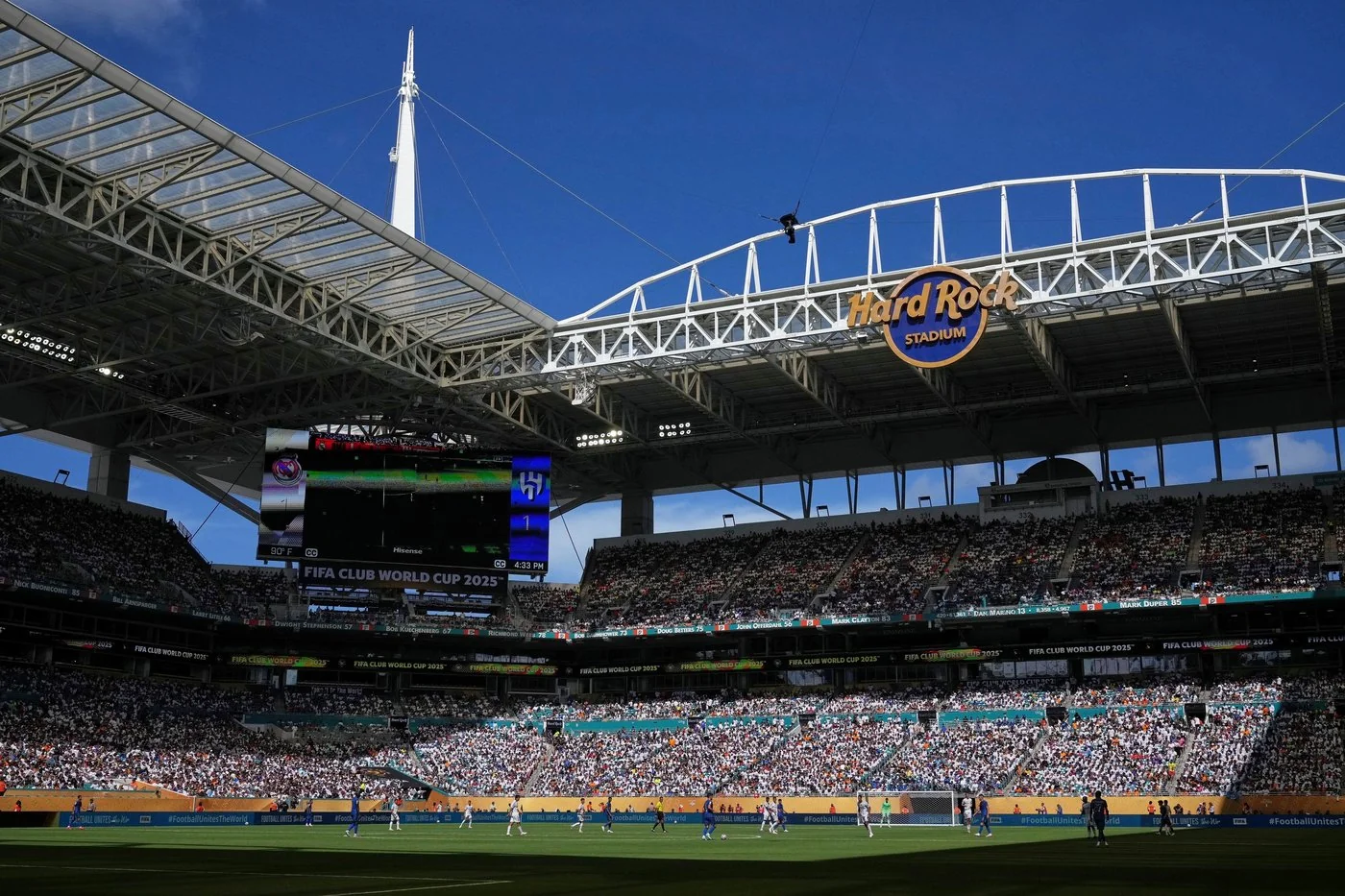
but we felt that we needed to follow along out of respect for our fellow professionals.” The move aimed to highlight the league’s lack of transparency and dialogue in deciding to stage games in Miami, despite Barcelona’s reservations.
LaLiga’s Ambitions to Go Global
LaLiga has been attempting to bring its matches to the United States since 2017. The decision to hold a match between Villarreal and Barcelona in Miami is part of their broader strategy to expand LaLiga’s global reach, which includes organizing the Spanish Supercopa in Saudi Arabia.
However, this move faces significant resistance from other teams within the league. Real Madrid, one of Spain’s most prominent clubs, has expressed strong opposition. Real Madrid’s criticism centers on the potential sporting advantage that such a fixture might provide to Barcelona and the setting of an unwanted precedent for future games abroad.
Expert Perspectives
Real Madrid’s concerns are echoed by Barça midfielder Frenkie de Jong, who acknowledged the potential benefits to his team but ultimately stated he does not support the plans. This stance highlights the internal divisions within LaLiga regarding globalization and its impact on competitive balance.
Potential Future Implications
As of now, it is unclear what steps AFE will take following this weekend’s protests. The union could pursue legal or regulatory actions against the game, but AFE president David Aganzo has already indicated that he plans to discuss further actions with political parties.
The Miami game represents a pivotal moment for LaLiga as it seeks to balance its ambitions of global expansion with maintaining fairness in competition. How this controversy plays out could set an important precedent for future decisions and negotiations within the league, impacting not only Barcelona but all teams involved.